What is Pagan? | Should we avoid everything that has "pagan" origins?
This teaching defines what makes something pagan and considers whether believers must avoid everything with pagan roots. It encourages discernment and warns against adding to God's commandments.
While many believers avoid holidays with pagan origins, some also question whether celebrating birthdays is wrong. This teaching explores that question and notes that Scripture never forbids celebrating the day of one’s birth. As the transcript explains, birthdays can be a time to thank God for the gift of life and to rejoice with friends and family, provided the celebration does not involve sinful practices. The study encourages believers not to add prohibitions to God’s Word and to exercise discernment and charity toward others who celebrate differently.
This short teaching encourages believers to make Yeshua their everything. It reminds us that our Savior is the source of life and salvation and calls us to put our complete trust in Him and obey God’s commandments in every area of life.
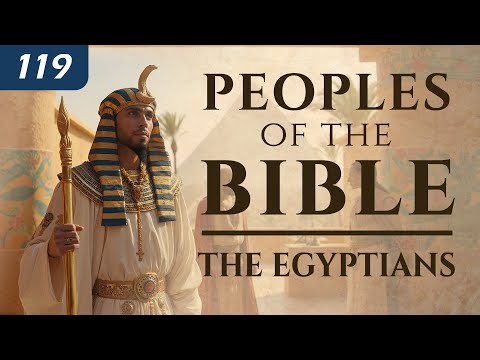
Who were the Egyptians, and what does Scripture—and history—actually say about them? From their origin in Mitzraim (Genesis 10:6) to their complex religion, monumental architecture, and repeated intersections with Israel, this teaching explores how YHWH judged Egypt’s gods in the plagues, warned Israel against trusting in Pharaoh, and still promises a future when the nations worship him. We close by connecting Israel’s deliverance from Egypt to our freedom from sin through Yeshua (Romans 6).
Show Notes / Outline
Origins & Geography: Egypt from Mitzraim; Nile floodplain and grain abundance.
Culture & Power: Pharaoh as divine kingship; temples, pyramids, craftsmen.
Religion: Amun-Ra, Osiris, Horus; magic and afterlife emphasis; why “judgments on the gods of Egypt” matters (Exodus 12:12).
Scripture Intersections: Abraham, Joseph, the Exodus; later kings trusting Egypt and the prophetic rebukes.
Prophecy & Hope: Assyria/Babylon era lessons; future worship of YHWH among the nations (Sukkot).
Discipleship Application: Don’t “return to Egypt.” Freed from sin, we serve YHWH in righteousness through Yeshua (Romans 6).
Challenge: Test everything by the whole Word (1 Thessalonians 5:21)
Key Takeaway
YHWH alone saves. Israel’s deliverance from Egypt points us to our deliverance from sin through Yeshua—so we must not run back to our “Egypt,” but walk in faithful obedience to his commandments.
This teaching investigates the origins of the six‑pointed Star of David (hexagram). Historical sources show the symbol predates Judaism and was used in many cultures; it is not mentioned in the Bible. Jews adopted the star only in the mid‑14th century. The video explores claims of pagan connections and encourages viewers to test traditions against Scripture.