
1,000 Years of Bondage | 119 Shorts
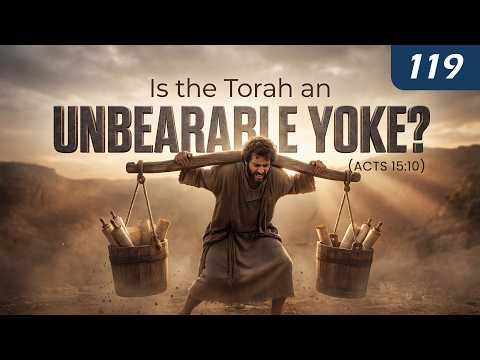
1000 Years of Bondage invites us to rethink how we view the Torah. If the law is bondage now, how will we feel if Micah's prophecy is true about the Messiah's reign? Wed, 30 Apr 2025 17:25:15
Go to teaching →119 Flash Drive | Complete 119 Video and Transcript Library | Free Updates for Life!
This announcement introduces the 119 Flash Drive—a USB drive containing every 119 Ministries English video teaching in high quality along with available transcripts and worksheets. It explains how the flash drive offers lifetime updates and provides a way to access the teachings offline while supporting the ministry’s mission.
Go to teaching →12 or 13?
This teaching explores whether the Torah allows for a calendar year of 12 or 13 months, suggesting there may be scriptural basis for an occasional 13-month year.
Go to teaching →7000 Years of Circumcision
Tracing the biblical sign of circumcision across seven millennia, this teaching begins with Abraham’s covenant and follows its prophetic echoes through the Torah, the prophets and the writings of Paul. It examines the tension between physical circumcision and the circumcision of the heart, explaining how both point to a deeper covenant relationship with the Creator. By unpacking misunderstandings of Paul’s letters and exploring the significance of the eighth day, the study shows how circumcision fits within the 7,000-year redemptive timeline and foreshadows the Messianic kingdom. Discover why this ancient rite still speaks to believers today and what it reveals about Yah’s plan of redemption.
Go to teaching →A Biblical Test of the Pre-Trib Rapture | What Scripture Really Says About the Gathering
Many believers expect a secret 'rapture' before a future tribulation. This teaching examines what the Bible actually says about the gathering of God’s people. It investigates key passages and shows that Messiah’s return occurs after tribulation, encouraging believers to be prepared and faithful.
Go to teaching →A Change in the Law (Hebrews 7:12)
Some argue that Hebrews 7:12 teaches that there has been a change in the law regarding the Levitical priesthood. Does a contextual reading of Hebrews 7:12 indicate the Messiah's priesthood negates the Law of God? Fri, 10 Jan 2025 20:27:23
Go to teaching →A Degree of Concern
Some have a Bible degree… sometimes we have a degree as well—a degree of concern. This short thought encourages us to examine our spiritual concerns as seriously as academic credentials.
Go to teaching →A Few Questions (Remastered)
Ever had someone tell you that Christ did away with the law? This teaching asks a series of questions designed to make you think again and challenge assumptions about God’s commandments.
Go to teaching →A Lot (Remastered)
Everybody wants their ‘Promised Land,’ but Scripture reminds us that entering the land requires action and obedience. When Israel was preparing to enter Canaan, God told them to arise and go over the Jordan; the promised land was theirs if they did what He commanded【753736018430227†L179-L189】. This 119 Thoughts message encourages believers to pursue their spiritual promised land through daily obedience rather than passively waiting for blessings.
Go to teaching →A Man After Gods Own Heart
Many look up to King David because Scripture calls him a man after God’s own heart. This teaching explores what that phrase means and how we can strive to live in the same way, pursuing God wholeheartedly.
Go to teaching →A New Command (Remastered)
Yeshua said, 'A new command I give you: love one another.' Was He adding to God’s law? This teaching shows that Yeshua was expounding on the existing commandment in Leviticus 19:18 to love your neighbor. He calls us to love as He loved us—sacrificially—without adding to or subtracting from the Torah.
Go to teaching →A Response to Mike Winger Regarding God's Law
Popular teacher Mike Winger claims that Jesus [Yeshua] set believers free from God’s law. In this response, 119 Ministries examines his arguments, evaluating the context of passages in Romans and Galatians. It explains why the Torah remains relevant for followers of Messiah and addresses common misunderstandings about law and grace.
Go to teaching →A Righteous Judge
This 119 Thoughts video reflects on God as a righteous judge. Jesus [Yeshua] said the Father has entrusted all judgment to the Son【792125594703711†L43-L50】. He will judge believers’ works for reward and unbelievers at the Great White Throne judgment【792125594703711†L52-L63】. Knowing that God’s judgments are perfectly just encourages us to live righteously and trust His justice【792125594703711†L82-L91】.
Go to teaching →A Shadow of Things to Come (Colossians 2:16-17)
A shadow of things to come, familiar words to many believers when speaking about the feast days and sabbaths. Paul's teachings on these things in Colossians 2:16-17 are among the more popular verses used to prove the Torah doesn't apply today. But is this claim true? What is the context of Paul's letter here? What are the "things to come" that the festivals and sabbaths are shadows of? Tue, 17 Dec 2024 18:39:44
Go to teaching →A War Zone
The Christian life is a war zone. This brief teaching reminds us that believers are engaged in a spiritual battle between the flesh and the Spirit. It encourages us to put on the armor of God and rely on His strength to overcome.
Go to teaching →Abolish or Fulfill?
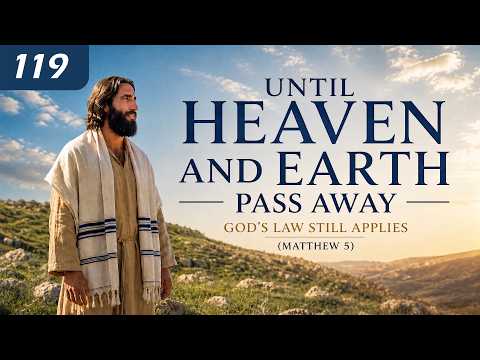
What did Yeshua mean when he said He came not to abolish the Law but to fulfill it? This teaching examines Matthew 5:17–19, showing that the Greek word *plēroō* means to fill up or fully live out, not to cancel. Yeshua affirmed that not one jot or tittle of Torah will pass away until heaven and earth disappear, and he warned against relaxing even the least commandment【544787435757154†L12-L43】【544787435757154†L40-L64】.
Go to teaching →Acknowledge or Deny (remastered)
Yeshua said that whoever acknowledges Him before men, he will acknowledge before the Father. This 119 Thought challenges us to confess Messiah boldly and warns of the danger of denying him when faced with pressure.
Go to teaching →Acts 10: Peter's Vision
Peter’s vision of the sheet in Acts 10 is often used to justify eating unclean animals. This teaching shows that the vision was about the inclusion of Gentiles into God’s people, not a change in the food laws.
Go to teaching →Acts 15 - Obedience or Legalism?
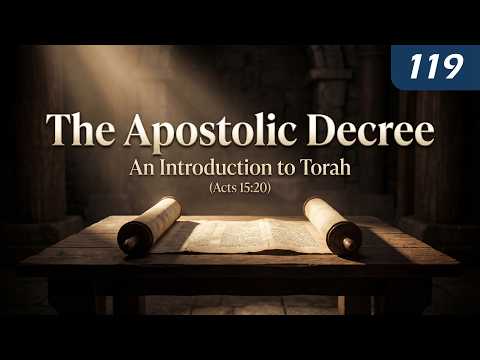
What happened at the Jerusalem council? This teaching explores Acts 15, explaining that the apostles upheld the Law of Moses. The four decrees given to Gentile converts were a starting point; new believers would learn the rest in the synagogue every Sabbath. Obedience is not legalism.
Go to teaching →Addressing Paul's Road to Damascus Experience
This teaching addresses Paul's encounter with Yeshua on the road to Damascus. It examines whether Paul's experience shows that the law was abolished and clarifies that he continued to keep and teach the Torah after his conversion.
Go to teaching →Aleph Tav (את)
This short teaching explores the Hebrew word 'et' (aleph‑tav), a direct object marker that often appears alongside God’s name. It discusses its possible symbolic meaning and how it points to Yeshua as the Alpha and Omega.
Go to teaching →All is Vanity: Making Sense of Life Under the Sun
The book of Ecclesiastes tells us a lot about life in this world, it is a book of wisdom. “All is vanity” is something found in this book. But when life gets hard or things aren’t making sense, what wisdom can we call on? What makes life meaningful under the sun when all is vanity? Wed, 23 Feb 2022 17:07:32
Go to teaching →All That I Have Commanded You | Torah to the Nations (Matthew 28:19-20)
In All That I Have Commanded You, we explore whether Yeshua commanded his disciples to teach the Torah to the nations. By examining Matthew 28:19–20 in context with Matthew 5:17–19, we show that the Great Commission includes teaching God’s commandments. Key Scriptures: Matthew 28:19–20; Matthew 5:17–19; Deuteronomy 4:5–8; Isaiah 2:2–4 Takeaway: Yeshua’s Great Commission continues the Torah’s mission to bring God’s instruction to all nations. Hashtags: #AllThatIHaveCommanded #119Ministries
Go to teaching →Amos: Don't Be a Hypocrite | Minor Prophets, Major Messages
Amos warned Israel that God despises outward religion divorced from justice. He condemns those who oppress the poor yet offer sacrifices, urging them to ‘let justice roll on like a river’ and righteousness like a never‑failing stream. Amos teaches that true worship requires living according to God’s justice and mercy【651929227044959†L54-L74】【651929227044959†L75-L100】.
Go to teaching →Animal Sacrifices in Light of the Messiah
Many believe and teach that because Messiah made the ultimate sacrifice for our sins, that the animal sacrifice no longer applies nor has a place. Some go so far as to say animal sacrifices are actually an affront to Messiah’s work of redemption. Scripture, however, appears to say otherwise.
Go to teaching →Answering Atheists Series: Does the Bible View Women as "Property"?
Many critics claim the Bible treats women as property. This teaching examines passages often cited to support that idea, such as the tenth commandment and various laws in Deuteronomy. By reading these texts in context, the study shows that wives were not considered property but equal partners and that instructions about marriage, dowry, and redemption actually protect women’s dignity. The teaching concludes that the Bible does not paint women as inferior or property, but affirms their value as "ezer kenegdo," a helper suitable to man. Mon, 19 Apr 2021 21:33:01
Go to teaching →Answering Atheists: Can Women Speak in Church? (1 Corinthians 14:34-35)
The Bible is often accused of being misogynistic; one of the main questions asked is “can women speak in church?” and 1 Corinthians 14:34-35 is cited where Paul says for women to be silent. Why would Paul say such a thing? Fri, 04 Jun 2021 18:44:49
Go to teaching →Answering Atheists: Does God Command Genocide in the Bible?
When YHWH gave Israel the Promised Land, it appears that He commanded Israel to wipe out entire peoples. This teaching explores those difficult passages and demonstrates that God did not command racial genocide but pronounced judgment on nations whose wickedness had become extreme. The Hebrew ban (ḥērem) called for the removal of corrupt cultures steeped in idolatry and child sacrifice. God patiently warned these nations for centuries (Genesis 15:16) before bringing justice; the commands were acts of righteous judgment, not ethnic cleansing. Mon, 19 Apr 2021 21:33:01
Go to teaching →Answering Atheists: Does God Exist? - The Beginning of the Universe
This teaching examines the beginning of the universe to answer the question, “Does God exist?” It presents the cosmological argument, which infers from the existence and origin of the universe to a first cause beyond time and space. Because everything that begins to exist has a cause and the cosmos cannot be an infinite chain of causes, the universe’s beginning points to a necessary, eternal Creator. By considering both Scripture and modern cosmology, the study argues that the universe’s beginning testifies to God’s existence. Mon, 19 Apr 2021 21:33:01
Go to teaching →Answering Atheists: Does God Exist? - The Design of the Universe
The design or fine‑tuning argument observes that the fundamental laws and parameters of physics are exquisitely balanced for life. This teaching explores examples of fine‑tuning, such as the precise strength of the strong nuclear force, the gravitational constant, the mass difference between protons and neutrons, and the delicate energy of the Big Bang. It argues that these and many other cosmic “coincidences” are best explained by an intelligent Designer rather than by chance. The incredible order and complexity of the universe therefore point to a purposeful Creator.
Go to teaching →Answering Atheists: Does God Exist? – The Moral Argument
This installment examines the moral argument for God’s existence. It begins with the observation that objective moral truths exist—that some things are really right or wrong regardless of human opinion. The argument posits that objective morality requires a transcendent moral law giver, because naturalistic explanations cannot ground moral duties and values. The teaching explains that God’s character provides the absolute standard of goodness and that our awareness of moral law is evidence for His existence.
Go to teaching →Answering Atheists: Does the Bible Endorse Polygamy?
There are some groups out there (atheists, radical feminists, and others) that believe the Bible is misogynistic, demeans women, and even endorses polygamy. We’ve addressed the idea of the Bible being misogynistic in other teachings, now we are going to examine the accusation that the Bible does endorse polygamy, that is, a man having more than one wife at a time.
Go to teaching →Answering Atheists: Is the Bible Misogynistic?
Some claim that the bible is full of misogynistic verses and teachings. Some even claim that the Bible can’t be true because God would never teach misogyny. Join us as we begin our journey through some of these claims in Scripture in our first video in a series on this and other related topics.
Go to teaching →Answering Atheists: Is the Temple Sacrifice Animal Abuse?
Responding to critiques of ancient sacrifices, this teaching explains the purpose of temple offerings, how they reflected reverence and repentance, and why they cannot be equated with modern notions of animal abuse.
Go to teaching →Answering Atheists: Lot's Daughters
Lot, defined as a righteous man by the Word, offers his daughters to a mob outside of his home in order to seemingly protect two strangers. The skeptic quickly points out how this is unethical, thus concluding that Yahweh's definition of righteousness is clearly not moral. Perhaps there is something the skeptic, and actually many believers, are missing in their understanding...
Go to teaching →Answering Atheists: Making Sense of Evil and Suffering
Everyone has experienced trying times and tribulations, but we don’t often understand why a loving God would allow such things to happen. In fact, some even claim that bad things in this world prove God isn’t real. In this presentation, we examine how the Bible can help in making sense of suffering and support the existence of our Creator.
Go to teaching →Answering Atheists: Marrying a Rapist
Atheists love to point out that the Torah instructs a rapist to marry his victim. From our cultural perspective this appears absurd and portrays YHWH negatively. However, there is much more to consider here…
Go to teaching →Answering Atheists: Slavery and the Bible
This teaching addresses the claim that the Bible endorses slavery by contrasting ancient Hebrew servitude with modern slavery. It explores biblical laws that regulated servanthood, ensured humane treatment, mandated release in the sabbatical year, and pointed toward the freedom ultimately fulfilled in Messiah.
Go to teaching →Answering Atheists: The Case of the Slandered Bride (Deuteronomy 22:13-21)
Deuteronomy 22:13-21 tells about the case of the slandered bride. Some atheists or feminists try to use it to prove the Bible is anti-women or misogynistic. However, further inspection of the Scriptures and historical context may tell us a different story.
Go to teaching →Answering Atheists: The West Wing (Bartlet & the Bible Rebuttal)
Responding to a popular television monologue that mocks biblical laws, this teaching explains the context of the verses cited on The West Wing, showing how selective quoting misrepresents Torah and how the Bible’s instructions remain relevant when understood within covenant context.
Go to teaching →Answering Atheists: Understanding the Test for Adultery (Numbers 5:11-31)
This teaching unpacks the so‑called "bitter water" ritual from Numbers 5. It places the test for adultery within its ancient context, explaining how it protected innocent wives from baseless suspicions and why it should not be read as misogynistic or superstitious abuse.
Go to teaching →Answering Atheists: Was Yeshua Copied From Pagan Myths?
Addressing claims that the story of Jesus borrowed from pagan mythology, this episode compares Gospel accounts with ancient myths and shows that Messiah’s birth, death, and resurrection are rooted in unique Jewish prophecy and historical events—not pagan legend.
Go to teaching →Answering Your Questions - (Circumcision, Long Hair, Tzitzits, Wedding Rings, and the Septuagint)
In this video series we want to look at the most common things asked and publicly begin answering your questions for the benefit of everyone to hear and to test themselves. In this presentation we are going to respond to the questions: - Why didn’t the Israelites circumcise their children while in the wilderness? - If they were uncircumcised in the wilderness then how can we say they kept the Passover since that would be a sin? - Does the Bible say men cannot have long hair or is it that women cannot have cut hair? - Is the tzitzit commandment just for men? - Judaism doesn’t allow women to wear tzitzit, is this supported by the Bible? - Are wedding rings okay? - How reliable is the Septuagint?
Go to teaching →Answering Your Questions - (Does God Repent?, 1 Cor. 11:14 – Long Hair, Preparation Day and more…)
In this video series we want to look at the most common things asked and publicly begin answering your questions for the benefit of everyone to hear and to test themselves. In this presentation we are going to respond to the questions: - Does God Repent in Genesis 6:6? - What does camel through the eye of a needle mean in Matthew 19:24? - Can men wear long hair according to 1 Corinthians 11:14? - Do I have to clean my house on Preparation Day? - Why does it take so long for 119 Email Turnaround Time? https://www.119ministries.com/supporting-119/donate Follow the above link to partner with 119 Ministries and support ongoing free teaching production.
Go to teaching →Answering Your Questions - (Games on the Sabbath, Book of Mormon, 3rd Temple, 9th of Av, and more…)
This installment tackles questions about playing games on the Sabbath, the Book of Mormon, the prophecies of a third temple, the significance of the Ninth of Av, and other topics. We offer Bible-based answers and encouragement.
Go to teaching →Answering Your Questions - (Job's Hair, Organ Transplants, Pets, Unclean Ingredients, and more…)
This episode answers questions about Job’s hair and vows, organ transplants, keeping pets, identifying unclean ingredients, and other issues, pointing viewers back to biblical principles.
Go to teaching →Answering Your Questions - (Noahide Laws in the U.S., Galatians and Pharmacy, and more…)
Here we respond to questions about claims of Noahide laws in the U.S., whether pharmacy violates Galatians, and other timely topics, offering clarity from Scripture.
Go to teaching →Answering Your Questions - (Outdoor bathrooms, activities on the Sabbath, and more...)
In this video series we want to look at the most common things asked and publicly begin answering your questions for the benefit of everyone to hear and to test themselves. In this presentation we are going to respond to the questions: - Should we not use indoor bathrooms according to Deuteronomy 23:13? - Should Gentiles keep the feasts when the believers in Ephesus didn't go with Paul in Acts 18:21? - Why should we read the Torah Portion schedule when it's just another manmade tradition and not from the Father? - If our bodies are the Temple of the Holy Spirit like 2 Corinthians 6 and 7 say, then how can we say some laws don't apply today because there is no temple? - If there is no death on the new earth (Revelation 21:4), then how would animal sacrifices work in eternity? - How do we honor our parents when the relationship is toxic? - Is it okay to attend or participate in sporting events and other extracurriculars if they take place on the Sabbath?
Go to teaching →Answering Your Questions - (Renting, Tuna, Washing Feet, and more)
In this Q&A video we answer viewer questions about renting on the Sabbath, whether tuna is clean, the tradition of washing feet, and other topics, providing Scripture-based insights.
Go to teaching →Answering Your Questions - (Yeshua's Return, Thanksgiving, Eating Seaweed, Self-Defense, etc…)
This Q&A discusses the timing of Yeshua’s return, whether celebrating Thanksgiving is appropriate, whether eating seaweed is permissible, the ethics of self‑defense, and other listener questions.
Go to teaching →Answering Your Questions - (Yoga, Two Witnesses, Prosperity Gospel, and more)
In this video series we want to look at some of the most common things asked for the benefit of everyone to hear and to test themselves. In this presentation we are going to respond to the questions: Should a believer practice Yoga? How should we apply the concept of having two witnesses? Is the Prosperity Gospel Scriptural? Is being homosexual or bisexual a sin? What is a Believer? What happens if my country doesn’t allow divorce and remarriage? Is someone who follows only Allah a believer? Is the Siddur important? Does Leviticus 18:22 address pedophilia and not homosexuality?
Go to teaching →Answering Your Questions - Tattoos, Cremation, Tzitziyot, Sacrifices, Being Holy, and more
Here we answer questions about tattoos, cremation, wearing tzitzit, animal sacrifices, what it means to be holy, and more. We address each subject with Scripture and practical insights.
Go to teaching →Answering Your Questions (Mold, Ma'at, Sabbath laws, Uncontacted Tribes, and more)
In this Q&A episode, we respond to viewer questions on topics including household mold, the Egyptian concept of Ma’at, how Sabbath laws apply today, reaching uncontacted tribes, and more. Each answer points back to Scripture.
Go to teaching →Answering Your Questions (New Moon, Prayer, Washing Feet, Acoustical Challenges in 1st Century, etc)
In this video series we want to look at the most common things asked and publicly begin answering your questions for the benefit of everyone to hear and to test themselves. In this presentation we are going to respond to the questions: How are we to celebrate and observe the new moons (rosh chodesh)? Does God answer silent, or unspoken prayers? Is feet washing required on or just before Passover? How could 5,000 people hear Messiah talk without technology?
Go to teaching →Answering Your Questions (Niddah, Hanukkah Blessing, Matthew 2:23, etc.)
In this video series we want to look at the most common things asked and publicly begin answering your questions for the benefit of everyone to hear and to test themselves. In this presentation we are going to respond to the questions: Is eating eggs the same as eating an animal that dies of itself? Does a woman need to sit and sleep in certain places when menstruating? Should we say the prayer to light the candles at Hanukkah? Is kissing before marriage a sin? What prophecy says Messiah would come from Nazareth?
Go to teaching →Answering Your Questions (Transfusions, Wearing Pants, Pig Enzymes, Gelatin, and more!)
In this Q&A episode we address questions about blood transfusions, whether women should wear pants, hidden pig enzymes in products, gelatin ingredients, and more—all through a biblical lens.
Go to teaching →Answering Your Questions(Paul's Name, Hunting & Fishing, Dancing, Call No Man Teacher, etc.)
In this episode of Answering Your Questions, we take a look at a new batch of ten common questions that can be answered briefly. When and why was the apostle Paul’s name changed from Saul to Paul? Is it a sin to eat caffeine or sugar? They are both addictive substances, so shouldn’t they be avoided? Are ducks clean to eat? What about turkeys? Is it a sin to dance? Is it a sin to use a hook to catch fish? Is it a sin to go hunting? Is it a sin to hunt on the sabbath? Can illegitimate children get married? Deuteronomy 23:3 prohibits Moabites from ever entering the congregation of YHWH. Ruth was a Moabite (Ruth 1:4), and Yeshua comes from Ruth (Matthew 1:5). So how can Yeshua be the Messiah? What did Yeshua mean when he said, “call no man teacher”?
Go to teaching →Are All Sins Equal?
Are all sins equal to God? Sin is sin, right, it's all the same? Does it even matter?
Go to teaching →Are All Things Clean? (Mark 7:19)
This teaching clarifies Yeshua’s statement in Mark 7:19, explaining that He was rejecting Pharisaic hand‑washing traditions and did not declare unclean animals to be food.
Go to teaching →Are All Things Lawful? (1 Corinthians 6 and 10)
This teaching unpacks Paul’s statements in 1 Corinthians 6 and 10 that "all things are lawful," showing that he was addressing matters of liberty and conscience, not abolishing God’s commands.
Go to teaching →Are Mushrooms Food?
A brief teaching exploring whether mushrooms are considered clean or unclean according to biblical dietary laws, helping viewers understand how to classify foods.
Go to teaching →Are you in the New Covenant?
This teaching examines what it means to be in the New Covenant. It explores Jeremiah 31, Hebrews 8, and Yeshua’s words to clarify who the New Covenant is with and how believers participate in it.
Go to teaching →Are You Serious?
This video challenges believers to take their faith seriously, warning against complacency and urging wholehearted obedience to God’s Word rather than casual or hypocritical religion.
Go to teaching →Ask the Scriptures | Allowing Scripture to answer over 100 questions on matters related to God's Law
This compilation answers over one hundred common questions about God’s law by referencing Scripture alone, providing concise, Bible-based answers to equip believers.
Go to teaching →Authority in Marriage | How married couples can emulate Christ and the church in everyday life
This teaching explores biblical headship and submission within marriage, showing how husbands and wives can reflect Messiah and the Church in their daily interactions and decisions.
Go to teaching →Be Doers of the Word: Does James Affirms the Torah's Validity?
“Be doers of the Word,” an instruction from James to those who follow the Messiah. But what does he mean by the phrase? What is the “Word” we are to do? We’ll examine what James was talk about and touch on the idea of the Torah being broken down into three categories, the civil laws, moral laws, and ceremonial laws.
Go to teaching →Believing
This teaching explains that biblical belief is more than intellectual assent; it is active trust and faithfulness demonstrated by obeying God’s commands and following Messiah.
Go to teaching →Black Hebrew Israelites Refuted
This video responds to the claims of the Black Hebrew Israelites movement, examining Scripture and historical evidence to refute their assertions about ethnicity, salvation, and identity.
Go to teaching →Blind Leading the Blind
This teaching warns against following blind leaders. It explores Yeshua’s teaching about blind guides and encourages believers to seek truth from Scripture rather than man‑made traditions.
Go to teaching →Blue
A short study on the significance of the color blue in Scripture, focusing on the blue thread in the tzitzit and how it reminds believers of God’s commandments and heavenly calling.
Go to teaching →Bound to Righteousness
This teaching explains that believers are freed from slavery to sin and bound to righteousness. It unpacks Paul’s teachings in Romans to show that grace empowers obedience to God’s law.
Go to teaching →Brit Hadasha Series – The 4th and 7th Day – Part 3 – Joseph and David –
In part 3 of the 4th and 7th Day teaching as part of our Brit Hadasha series, we look at the second coming of the Messiah, that is Messiah ben David. We will also explore how both Messiah ben Joseph and David were prophesied to us in Scripture in ways you may not expect or ever considered to be messianic prophecies before. Fri, 04 Jun 2021 19:29:49
Go to teaching →Brit Hadasha Series: Affliction of the Messiah
This Brit Hadasha teaching explores Isaiah’s Servant Songs and other prophecies about the Messiah’s suffering. It shows how Yeshua fulfilled these prophecies through His afflictions and how His suffering brings healing to His people.
Go to teaching →Brit Hadasha Series: Can Men Atone for the Sins of Others?
This Brit Hadasha study asks whether one person’s death can atone for the sins of others. It compares human sacrifices forbidden in Scripture with the Messiah’s unique atoning work, and explains why Yeshua’s sacrifice is sufficient for all.
Go to teaching →Brit Hadasha Series: Paul and Genealogies
What do bread and wine mean in the Bible and what does Yeshua declaring bread and wine to be his body and blood mean for us? What about the fact that the Torah declares we should not drink blood? Is communion anti-Torah? Mon, 03 Oct 2022 14:03:02
Go to teaching →Brit Hadasha Series: Psalm 110: Who is "My Lord"?
This Brit Hadasha teaching explores the identity of the figure addressed as ‘my Lord’ in Psalm 110:1. It examines the Hebrew text and New Testament quotations to show that King David was speaking prophetically of the Messiah, Yeshua.
Go to teaching →Brit Hadasha Series: The Virgin Birth
This teaching defends the Messiah’s virgin birth against skeptical claims. It unpacks Isaiah 7:14 and the Gospels, explains Hebrew terms like almah, and shows how Jewish sources and history support the virgin conception.
Go to teaching →Brit Hadasha: Are Old Testament Prophecies Taken Out of Context?
Counter missionaries sometimes claim that prophecies quoted in the New Testament are actually taking Old Testament prophecies out of their context. Join us as we take a look at these claims and a few of the prophecies such claims are made about.
Go to teaching →Brit Hadasha: Blood and Atonement
There are a group of people who argue that blood is not required in order for us to receive atonement, that we only need to repent. We, however, cannot find where Scripture actually supports such a theory.
Go to teaching →Brit Hadasha: Bread and Wine
What does Yeshua declaring Himself to metaphorically be the bread as His body and wine as His blood at the Last Supper mean for us? What about the fact that the Torah declares we should not drink blood? How can Yeshua use this as a metaphor when it seemingly contradicts Scripture?
Go to teaching →Brit Hadasha: Does the Old Testament Teach "Two Comings" of Messiah?
This teaching examines prophecies that depict Messiah both as suffering servant and reigning king, explaining how the Old Testament anticipates Messiah’s first and second comings.
Go to teaching →Brit Hadasha: Examining the Genealogy of Yeshua
It’s no big secret that the two genealogies for the Messiah found in Matthew and Luke are different, very different. By examining the genealogy of Yeshua more closely and comparing it with other Scriptural and cultural precedent, we find that what counter-missionaries and others may claim is a problem, is really nothing to be concerned about at all.
Go to teaching →Brit Hadasha: His Sacrifice
This teaching explains the significance of Yeshua’s sacrificial death, exploring how His sacrifice fulfills the requirements of the Torah's offerings, demonstrates God’s love, and brings redemption to believers.
Go to teaching →Brit Hadasha: Josephus and the New Testament
There are claims that Yeshua wasn’t a real person, or that the New Testament is simply made up. Flavius Josephus may disagree.
Go to teaching →Brit Hadasha: Nailed to the Cross (Remastered)
This episode explains Paul’s statement that the record of debts was ‘nailed to the cross,’ clarifying that God’s law was not abolished; instead, Yeshua’s sacrifice cancels our sin debt and calls us to faithful obedience.
Go to teaching →Brit Hadasha: The 4th and 7th Day – Part 1: Isaiah 53
Part 1 of the Fourth and Seventh Day series examines Isaiah 53. It explores how the 'Suffering Servant' prophecy connects to the concept of the fourth and seventh days and reveals the Messiah’s atoning work.
Go to teaching →Brit Hadasha: The 4th and 7th Day – Part 2: Psalm 22
Part 2 of the Fourth and Seventh Day series turns to Psalm 22. It explains how David’s prophetic psalm describes Yeshua’s crucifixion and fits into the pattern of the fourth and seventh days.
Go to teaching →Brit Hadasha: The Firstborn Son (Exodus 4:22)
This teaching explores the theme of the firstborn son in Exodus 4:22, showing how Israel is called God’s firstborn and how Messiah as the Firstborn Son fulfills and expands this concept.
Go to teaching →Brit Hadasha: The One Savior (Isaiah 43:11)
This teaching explains Isaiah 43:11’s declaration that there is no Savior besides YHWH, showing how Scripture reveals Yeshua as the manifestation of that one Savior and unites the roles of God and Messiah.
Go to teaching →Brit Hadasha: The Return of Korah
This episode draws lessons from Korah’s rebellion, comparing those who reject Yeshua’s priesthood with Korah’s challenge to Moses and emphasizing the importance of submitting to God’s appointed authority.
Go to teaching →Brit Hadasha: Was Yeshua a False Prophet?
Not surprising, counter-missionaries attack the idea that Yeshua was the Messiah with claims that he was actually a false prophet. Join us as we review their top three proofs of this assertion to see how well they hold up to Scripture.
Go to teaching →Brit Hadasha: Where Does the TANAKH Say We Must Believe in the Messiah?
Some claim the TANAKH (Old Testament) never gives instruction (Torah) to believe in the Messiah. We believe it does.
Go to teaching →Brit Hadasha: Why Yeshua Is the Messiah
Israel has been waiting for their Savior, their Messiah, for a long time. There have been multiple individuals called "Messiah" in the past; some believe Yeshua (Jesus), was that Messiah. Anti-missionaries will tell you that He was not. Here are 3 reasons we believe why Yeshua is the Messiah of Israel.
Go to teaching →Busy, Busy, Busy
This message warns about the dangers of constant busyness. It encourages believers to slow down, prioritize their relationship with God, and ensure that activity doesn’t crowd out obedience, rest, and spiritual growth.
Go to teaching →But...
This short teaching challenges the tendency to qualify obedience to God’s commands with ‘but,’ urging viewers to follow Scripture fully without making excuses or exceptions.
Go to teaching →Caesar's Messiah Refuted
This episode dismantles the Caesar’s Messiah theory, showing the historical and textual flaws in the claim that the Roman Empire invented Jesus and demonstrating the reliability of the Gospel accounts.
Go to teaching →Calendar Chaos: What to do?
This teaching navigates the confusion surrounding competing biblical calendar calculations. It offers guidance on determining feast days and months while encouraging grace toward others who follow different reckonings.
Go to teaching →Can We Eat All Things? (1 Timothy 4)
A careful look at 1 Timothy 4 reveals Paul was refuting ascetic teachings, not overturning dietary laws. This teaching explains that foods God created are good when received with thanksgiving and sanctified by the Word and prayer.
Go to teaching →Can We Please God? (Remastered)
This remastered teaching explores how believers can please God. It shows that walking by faith and obeying His commands—with the help of Messiah and the Spirit—allows us to live lives that are pleasing to Him.
Go to teaching →Can We Shave Beards?
This teaching discusses what the Torah says about shaving and beards. It examines Leviticus 19:27 in its cultural context and offers guidance on how to apply the verse today.
Go to teaching →Can We Transliterate Biblical Names?
This teaching considers whether transliterating biblical names dishonors God, explaining that translating and transliterating names across languages is permissible and that meaning matters more than pronunciation.
Go to teaching →Celebrate the Festival (1 Corinthians 5:7-8)
What’s going on with Christians and Passover? Should they celebrate the festival like Paul talks about? Or was he meaning something else in 1 Corinthians 5? How relevant should Passover be to Christians today? What was it like for the Corinthians?
Go to teaching →Christ's Sacrifice Once for All: Is the Levitical Priesthood Replaced?
Christ’s Sacrifice Once for All: Is the Levitical Priesthood Replaced? addresses one of the most misunderstood issues in New Testament theology. Did Yeshua’s once-for-all sacrifice abolish the Levitical priesthood and sacrificial system? Many say yes—but Scripture tells a different story. In this episode, we examine what the Book of Hebrews really says, and how the apostles, prophets, and Yeshua himself viewed the priesthood and sacrifices. We also unpack how animal sacrifices functioned on an earthly level, and how Messiah’s sacrifice functions on a heavenly level—removing any contradiction between them.
Go to teaching →City Slicker
This Scripture Sketch follows a city dweller who ventures into the countryside and, through humorous misadventures, learns simple lessons about faithfulness and obedience. The skit uses humor to illustrate how trusting God’s instructions leads to blessing, even when His ways seem foreign to urban minds.
Go to teaching →Close, But Yet So Far Away
This teaching warns that being close to the truth isn’t enough. It challenges believers to fully align their lives with Scripture and not miss the mark through partial obedience or tradition.
Go to teaching →Closer to the Father 1: Aliens and Strangers
The first session in the Closer to the Father series explains how believers are called to be aliens and strangers in this world, drawing near to the Father through set-apart living.
Go to teaching →Closer to the Father 2: In Training
This session encourages believers to view life’s challenges as training to draw closer to the Father, developing character and faith through discipline and obedience.
Go to teaching →Closer to the Father 3: Seven Ducks in a Muddy River
This session recounts Naaman’s seven dips in the Jordan River as an illustration of humble obedience. It teaches that simple acts of faith draw us closer to the Father.
Go to teaching →Closer to the Father 4 - Pray
This teaching focuses on prayer as a vital discipline for drawing near to the Father. It offers practical guidance on developing a deeper and more consistent prayer life.
Go to teaching →Closer to the Father 5 - Ready for the Storm - Sukkot 2014
Filmed at Sukkot 2014, this session encourages believers to prepare spiritually for coming storms by cultivating trust in the Father and strong community relationships.
Go to teaching →Closer to the Father 6 - Question and Answer Session
In this Q&A session, the presenters answer audience questions about drawing nearer to the Father, covering topics from daily devotion to obedience and spiritual growth.
Go to teaching →Clouds That Are Not Clouds | Unveiling the Heavenly Vessels of Scripture
From Ezekiel 1 to Revelation 14, Clouds That Are Not Clouds explores how Scripture’s “clouds” reveal radiant, structured vessels of divine glory, judgment, and resurrection. Study Daniel 7, Acts 1, and 1 Thessalonians 4 to see YHWH’s pattern of divine movement. Takeaway: These clouds are not poetic symbols—they are heavenly realities revealing YHWH’s glory and His plan to gather the redeemed.
Go to teaching →Comfortable
Being comfortable, isn't bad if you're buying a couch, but should we be living a comfortable spiritual life wearing our spiritual sweatpants and t-shirts staying on our comfy couch?
Go to teaching →Confirm Your Calling: Christ's Glory and the Prophetic Word (2 Peter 1:16-21)
Peter continues to confirm your calling in chapter 1 of 2 Peter. This time, in 2 Peter 1:16-21, we look at how he does so as it pertains to his witnessing Christ’s glory and the prophetic word. Unlike other myths, his witness, and the witness of the Scriptures, tells of Messiah’s return.
Go to teaching →Confirm Your Calling: God Rescues the Righteous and Judges the Wicked (2 Peter 2:1-10a)
Continuing on in our Bible Study series on 2 Peter, we continue looking at how to confirm your calling. In Chapter 2, we hear how God rescues the righteous and judges the wicked, time and again throughout Scripture. It’s time to check ourselves to see if we are living righteously to the best of our ability or following the way of the wicked that leads to destruction.
Go to teaching →Confirm Your Calling: Introduction to 2 Peter (2 Peter 1:1-2)
Continuing our bible study series, we look at how to confirm your calling as we move into another of Peter’s letters. In this introduction to 2 Peter, we look at just the first two verses, examine the authorship debate for the letter, and get a high-level view of what Peter seems to be telling us.
Go to teaching →Confirm Your Calling: Partakers of the Divine Nature (2 Peter 1:3-15)
In our continued Bible study of 2 Peter, we continue to look at how to confirm your calling. One has only to read 2 Peter chapter 1 about how to be partakers of the divine nature of our Heavenly Father to be set on the right path. Let’s review what that looks like.
Go to teaching →Confirm Your Calling: The Danger of False Teachers (2 Peter 2:10b-22)
Continuing to look at how to confirm your calling as a believer, we need to listen to Peter’s admonition about the danger of false teachers. Picking up where we left off in 2 Peter 2, we will take a look at the false teachers Peter was talking about, some dangers that listening to their teachings may present, and what we need to do in our own lives.
Go to teaching →Confirm Your Calling: The Day of the Lord Will Come (2 Peter 3:1-13)
2 Peter 3 reminds us that the Day of the Lord will come. Confirm your calling, listen to the Lord, live your life holy and righteous before your Creator. Don’t trust the scoffers, the naysayers. Trust in the Lord.
Go to teaching →Confirm Your Calling: The Error of Lawless People (2 Peter 3:14-18)
In the final part of our series Confirm Your Calling, we look at the error of lawless people in 2 Peter 3:14-18. What error made the people lawless according to Peter? What should we be doing instead of following them?
Go to teaching →Confusion and Contradictions
The Bible warns against confusion and contradictions, yet many common interpretations of New Testament passages creates them.Yeshua said not even the smallest part of God’s law would pass away, yet many believe Paul taught otherwise—could both be true? This series challenges believers to examine Scripture with fresh eyes, sparking curiosity and deeper faith.
Go to teaching →Created for Good Works: Torah as the Foundation of Righteous Living
What exactly are the “good works” believers are created for? This teaching shows how the Torah defines and equips good works (2 Tim 3:16–17), why Yeshua upholds the Law (Matt 5:17–19), and how the Spirit empowers obedience (Ezek 36:27; Rom 8:4). Scriptures (4–6): Ephesians 2:8–10; 2 Timothy 3:16–17; Matthew 5:16–19; Ezekiel 36:27; Romans 8:4; Revelation 14:12 Takeaway (1–2 sentences): We’re not saved by works—we’re saved for works Scripture defines. In Yeshua, by the Spirit, we walk in Torah-shaped love (John 14:15; 1 John 5:3). #goodworks #CreatedForGoodWorks #119Ministries #TestEverything #Bible
Go to teaching →Dead to the Law? (Romans 7:1-6) | What did Paul REALLY teach that we were released from?
This teaching explains Romans 7:1–6, clarifying that being “dead to the law” means being released from the law’s condemnation of sin rather than freedom from obedience to God’s commands.
Go to teaching →Did Christ Abolish the Law of Moses? (Ephesians 2:15)
Some claim that Christ abolished the Law of Moses. Is that how we are to understand Paul’s words in Ephesians 2:15? Is the Law of Moses a dividing wall of hostility? If not, what is Paul referring to when he says the “law of commandments expressed in ordinances”?
Go to teaching →Did Jesus Do Away With the Old Testament Law?
A short look at the idea that Jesus did away with the Old Testament law and what it means for the modern believer.
Go to teaching →Discipleship in the Great Commission
This episode explains that the Great Commission in Matthew 28:19–20 calls us to make disciples who obey all of Yeshua’s commands, highlighting the importance of teaching obedience to God’s law.
Go to teaching →Divided in Truth or United in Error
A warning against unity at the expense of truth: this teaching urges believers to unite around obedience to God’s Word rather than compromise with error.
Go to teaching →Do Not Resist the One who is Evil (Matthew 5:38-42)
An eye for an eye, turn the other cheek, do not resist the one who is evil. What do all of these phrases mean? What was the Messiah teaching us in Matthew 5:38-42, was he contradicting the Law? Imagine if what he was teaching is the exact opposite of what we have been taught he meant, something that could change your world.
Go to teaching →Do Whatever They Tell You: Scribes, Pharisees, and Moses' Seat (Matthew 23:2-3)
In Do Whatever They Tell You, we explore Yeshua’s words in Matthew 23:2–3, where He tells the crowd to obey the scribes and Pharisees who “sit in Moses’ seat.” Did Yeshua affirm their teachings—or was He pointing to something deeper? This teaching examines the historical and textual background showing that Yeshua wasn’t validating Pharisaic tradition but affirming obedience to the words of Moses they read aloud each Sabbath (Exodus 18:13–16; Acts 15:21; Matthew 23:1–4). When understood in context, Yeshua’s command calls His followers to heed the Torah itself, not the traditions that make void the Word of God. Takeaway: Yeshua directs His people to hear Moses’ words and live them—testing every teaching by Scripture, not by man-made authority.
Go to teaching →Do You Love God?
What does it mean to love God? This video shows that genuine love is expressed through obedience to His commandments (John 14:15) and urges believers to demonstrate love through faithful action.
Go to teaching →Does God Enjoy Punishing People?
Throughout Scripture we see God destroying entire peoples, nations, and families when they have sinned against him or Israel. He has even had Israel destroyed or taken into captivity. With all of these punishments handed out by the Most High, it’s fair to ask, does God enjoy punishing people?
Go to teaching →Does God's Law Prohibit Cheeseburgers? (Deuteronomy 14:21)
This teaching explains the command not to boil a young goat in its mother’s milk, clarifying that biblical dietary laws do not forbid mixing meat and dairy—cheeseburgers are a rabbinic restriction, not Torah.
Go to teaching →Does the Bible Permit Drinking Alcohol?
If asked “does the Bible permit drinking alcohol?”, here is one way you may want to respond.
Go to teaching →Does YHWH Hate His Appointed Times? (Isaiah 1:14, Amos 5:21 & Hosea 2:11)
At what point does YHWH’s appointed times (new moons and Sabbaths) become a burden to Him? Did YHWH tell us how bad His Law is for us in Isaiah and indicate it should be removed far before Messiah ever came on the scene? Find out as we take a brief look at Isaiah 1:14.
Go to teaching →Don't Be Under The Law
Paul wrote that believers are not 'under the law.' This teaching explains that the phrase refers to being under the law’s penalty, not to obedience itself. Those who trust Messiah are under grace but still uphold God’s law.
Go to teaching →Eating Clean, Living Clean | Audio Sermon
God’s dietary instructions were never just about food. This audio teaching explores how the food laws teach us to discern between clean and unclean, and how they call us to guard what we consume spiritually. By obeying His dietary laws, we learn to live holy lives in every area.
Go to teaching →Echad - The Necessity for Unity
The Hebrew word echad means ‘one’ or ‘unity.’ This teaching emphasises the importance of unity among God’s people. It explores how we can be one as Yeshua prayed (John 17) while remaining rooted in truth and love.
Go to teaching →Eeny, Meeny, Miny, Moe
Throughout Scripture we see God destroying entire peoples, nations, and families when they have sinned against him or Israel. He has even had Israel destroyed or taken into captivity. With all of these punishments handed out by the Most High, it’s fair to ask, does God enjoy punishing people? Fri, 24 Jun 2022 21:35:19
Go to teaching →Ekklesia
Ekklesia is the Greek word translated ‘church’ in English. This teaching defines ekklesia as the assembly of called‑out ones—those who follow Yeshua and keep God’s commandments—and discusses what it means to be part of God’s set-apart community.
Go to teaching →End of Days: Yahweh's Prophetic Calendar
End time prophecy has been the topic of many debates. Yet many prophecy students and teachers alike lack the foundation that is needed to truly understand what the prophetic scriptures point us to. This opening teaching of the End of Days series is a necessity for all who desire to grow in their understanding the basics of end time prophecy.
Go to teaching →Enslaved to Sabbaths and Festivals? (Galatians 4:8-11)
What is Paul addressing in Galatians 4:8-11 when he talks about being enslaved to sabbaths and festivals? What are the “days and months and seasons and years” he says they need to turn away from? Let’s check out the context and see what we can find. Mon, 30 Sep 2024 16:49:31
Go to teaching →Envy and Jealousy
Envy and jealousy are often confused. This teaching distinguishes between the two, shows how both can lead to sin, and encourages contentment and gratitude.
Go to teaching →Everything
This short teaching encourages believers to make Yeshua their everything. It reminds us that our Savior is the source of life and salvation and calls us to put our complete trust in Him and obey God’s commandments in every area of life.
Go to teaching →Excluded From the Assembly? (Deuteronomy 23:1-8)
Deuteronomy 22:13-21 tells about the case of the slandered bride. Some atheists or feminists try to use it to prove the Bible is anti-women or misogynistic. However, further inspection of the Scriptures and historical context may tell us a different story. Fri, 13 May 2022 20:35:54
Go to teaching →Eye for an Eye
An “eye for an eye, and a tooth for a tooth” is a misunderstood Hebraic idiom. Did our Messiah change this commandment, or simply clarify it?
Go to teaching →Faith and Salvation
Salvation is by grace through faith, yet true faith produces obedience. This teaching explains justification (being declared righteous by faith), sanctification (growing in obedience), and ultimate salvation. Faith means believing God’s Word, committing to follow it, and doing what it says.
Go to teaching →Faith and Works: Do James and Paul Disagree on Justification?
Faith and works, two topics relating to justification that some say James and Paul disagree on. Is what Paul says in Romans 3:28 at odds with James 2:24? How can we reconcile what James and Paul say about faith and works? Or are they really at odds with one another and the Bible has a problem? Mon, 03 Jun 2024 21:11:56
Go to teaching →Fast Food Believers
This 119 Thought warns against a shallow, fast‑food approach to faith. It encourages believers to dig deep into Scripture, pursue substance over convenience, and develop a healthy spiritual diet.
Go to teaching →Fasting
Fasting is a spiritual discipline that is rarely discussed. What did our Savior teach about fasting? In this short teaching we examine the heart posture behind fasting, exploring scriptural examples and Yeshua’s instructions so we can approach fasting with the right motives and expectations.
Go to teaching →Fat and Blood
Can we eat fat? What about blood in our meat? What does the Torah say? Mon, 30 May 2022 21:37:00
Go to teaching →Feeding the Multitude
This teaching examines Yeshua’s miracles of feeding the multitudes. It explores what these miracles teach about God’s provision, compassion, and the Messiah’s identity.
Go to teaching →Fleeing on the Sabbath (Matthew 24:20)
In Matthew 24:20 the Messiah tells us to hope that fleeing on the Sabbath is not something to be desired. Why is this? What did he mean by this and what may be some greater implications of such a statement? Wed, 28 Jul 2021 17:25:59
Go to teaching →Foolish Obedience
Some say obeying God’s commandments is foolish in the modern world. This teaching challenges that notion, showing that obedience to Yahweh’s instructions is wisdom and leads to blessing, while the wisdom of the world is foolishness to God.
Go to teaching →For Goodness Sake
Many claim to be “good” by human standards, but only our Creator defines what is truly good. This study explores why we can’t lean on our own understanding, how God’s commandments reveal His definition of goodness, and how walking in His ways produces genuine righteousness.
Go to teaching →Forgive Them...Not?
Yeshua prayed for the Father to forgive those who put Him on the cross. Yet, in some circles today the question has come up if He could have actually been saying just the opposite. Some believe the Greek actually suggests such an interpretation. But does it really match what Yeshua’s life proclaimed?
Go to teaching →Four Levels
Within the parameters of proper biblical hermeneutics, there are four levels of understanding one can implement to glean from the Torah. Yeshua and His disciples demonstrated all four levels of exegesis throughout the Brit Hadasha. Join us as we examine these four levels in more detail.
Go to teaching →Freedom of Speech in the Bible
This teaching explores biblical principles about speech—when and how we should speak, the power of our words, and the responsibility to avoid slander, gossip, and disrespect.
Go to teaching →Frequency
Do you have what it takes to hear the voice of the Shepherd? This brief teaching encourages us to regularly seek our Creator and tune our hearts to His instructions.
Go to teaching →Garments and Wineskins (Mark 2:18-22)
The parables of the wineskins and garments by our Messiah are often interpreted to be best understood as out with the old, and in with the new, even replacement theology. We have a different perspective. Wed, 01 Jan 2025 17:29:10
Go to teaching →Gentiles Freed from Jewish Law
This teaching responds to the claim that Gentiles are 'freed from Jewish law.' It shows that Gentile believers are grafted into Israel and invited to keep YHWH’s commandments alongside natural-born Israelites.
Go to teaching →Give Thanks in All Circumstances
The Bible tells us that it is the Father’s will for us to give thanks in all circumstances, but how do we do that? How do we overcome the trials and tribulations of life and still have an attitude of gratitude so that we can give honor and thanks to the Creator? Tue, 13 Sep 2022 19:27:47
Go to teaching →God Wants Us to Live | Sabbath Reflections | Despair in the Bible
This Sabbath Reflection reminds us that God desires life, not death. It offers hope to those in despair, showing how Scripture teaches us to choose life and trust YHWH even when circumstances are bleak.
Go to teaching →God's Anger
What provokes God’s anger? This 119 Thought explains that Yahweh’s wrath is righteous—directed at sin, injustice, and idolatry—but tempered by mercy for those who repent. It calls us to fear God and turn from sin.
Go to teaching →God's Law for Our Good
The Bible warns of a time when people will call good evil and evil good—could this be happening with how some view God’s commandments today? Inspired by our popular Unanswerable Questions video, this easily shareable series invites believers to rethink what Scripture truly says about God’s law and its ongoing relevance. Thu, 20 Mar 2025 13:08:38
Go to teaching →God's Law in Prophecy
This short teaching shows that God’s law is prophetic. Prophets like Isaiah and Jeremiah describe a time when God’s law will be written on our hearts. If the law were abolished at the cross, why do prophecies speak of it in the future?
Go to teaching →God's Law on the Menu | 119 Scripture Sketches
In this Scripture Sketch, a restaurant conversation illustrates common misunderstandings about grace and obedience. It shows how God's law remains part of the gospel message and encourages viewers to live by every word of God.
Go to teaching →Grace and Truth
John 1 says “For the law was given through Moses; grace and truth came through Jesus Christ.” So what does this mean? What does the surrounding context imply? How is this to be interpreted with the rest of Scripture? Join us as we dig into an often misrepresented verse.
Go to teaching →Grace, Faith & Obedience: Understanding the Relationship | Part 1
It's critical to understand three terms if we are going to understand Scripture. Grace, faith, and obedience. What do these words mean and how do we go about understanding the relationship they have to one another in the Bible? Mon, 23 Jan 2023 17:19:33
Go to teaching →Grace, Faith & Obedience: Understanding the Relationship | Part 2
It's critical to understand three terms if we are going to understand Scripture. Grace, faith, and obedience. In part 1 we defined the terms and saw how the important role obedience has in our faith. Here in part 2 we will continue our discussion of these terms, and solidify their relationship to each other and their relevance to believers, followers of Messiah, today. Mon, 30 Jan 2023 20:12:26
Go to teaching →Grafted Branches: The Identity of the Redeemed | Audio Sermon
Many believers know they’ve been redeemed, but few understand what they’ve been redeemed into. In this episode, we uncover that identity through Grafted Branches: The Identity of the Redeemed—a teaching that reveals how those in Messiah are part of the people of Israel and heirs to the covenant promises. This teaching restores the biblical identity of the redeemed and shows why Torah is for all who are grafted in through Messiah. Learn how your role as a grafted branch shapes your calling, inheritance, and future.
Go to teaching →Grafted In
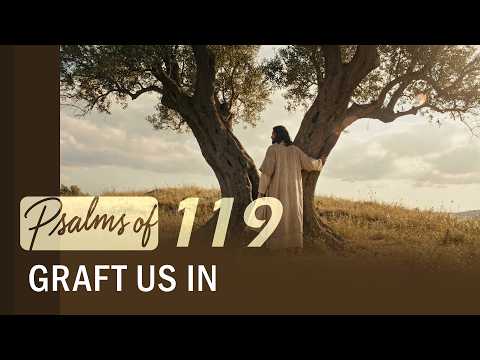
Drawing from Paul’s olive tree analogy in Romans 11, this teaching explains how believing Gentiles are grafted into the cultivated olive tree of Israel. Gentiles do not replace Israel but share in the nourishing root—the promises given to Abraham. Paul warns natural branches not to boast over others and exhorts all to remain in the faith.
Go to teaching →Growth
Spiritual growth requires more than knowledge. This 119 Thought urges believers to grow in obedience, maturity, and fruitfulness, illustrating that growth happens when we apply God’s Word.
Go to teaching →Habakkuk: I Will Rejoice | Minor Prophets, Major Messages
Habakkuk, a minor prophet with the major message. His message wasn’t unique, but he kept an important perspective we should all take, “I will rejoice.” Where does he get this perspective and how can we apply it to our lives today? Mon, 04 Mar 2024 21:00:31
Go to teaching →Haggai: Get Your Priorities Straight | Minor Prophets, Major Messages
Haggai was a minor prophet, but his major message still impacts us today as he reminds us to get our priorities straight. Just as Israel once prioritized themselves over the Temple, we often prioritize ourselves and our desires over the Father’s. It’s time to get your priorities straight before it’s too late. Mon, 27 May 2024 22:23:56
Go to teaching →Hair, Beards, and Markings in Ancient Mourning Practices (Leviticus 19:27-28)
What does the bible say about cutting your hair, marring your beards, and other markings in association with ancient mourning practices? Does Leviticus 19:27-28 really mean you cannot get a haircut, shave your beard, or get a tattoo at all? Is doing a sin? Thu, 20 Mar 2025 12:53:32
Go to teaching →HaShem FAQ: Names of Other Gods - Exodus 23:13
Many understand Exodus 23:13 to mean we cannot even say the names of other gods such as Baal, Mars, Janus, etc. Some go so far as to say we shouldn’t say things like Monday or January for the same reason. What’s the truth behind such beliefs and are they Scriptural?
Go to teaching →HaShem FAQ: Why It's Okay to Say "God"
There are some that argue the use of the word “God” when referring to YHWH. For what it’s worth, here are our thoughts on that particular topic and why it’s actually okay to say God.
Go to teaching →HaShem FAQ: Why It's Okay to Say "Jesus"
When it comes to the name of the Messiah, there are many discussions that are had, one of them being whether or not we should call him by the name, Jesus. Some say yes, others say no. We invite you to review the evidence and decide for yourself.
Go to teaching →HaShem FAQ: Why It's Okay to Say "Lord"
Many disagree or even argue about using the word "Lord" in the Scriptures. Some even claim that by using it, we are blaspheming or using the name of YHWH in vain. Here are some thoughts to consider.
Go to teaching →HaShem Part 1: What's In a Name?
Names carry deep meaning in Scripture. In this first part of the HaShem series we explore the significance of our Creator’s name, why it matters, and what it means to profane or honor His name.
Go to teaching →HaShem Part 2: Tetragrammaton
Part 2 of the HaShem series explores the four letters of God’s Name (YHWH). It discusses how the Name appears in Scripture, its meaning, and why we should revere and proclaim it.
Go to teaching →HaShem Part 3: Pronunciation
In Part 3 of the HaShem series we examine evidence from Hebrew manuscripts, vowel points, and historical sources to explore possible pronunciations of the Divine Name, balancing reverence with the pursuit of truth.
Go to teaching →HaShem Part 4: Yehovah
With so much discussion, arguments, and division amongst the body over the pronunciation of the name of our Creator, one version seems to be the most prominent, Yehovah (Jehovah). Has the Creator’s name been definitively determined at long last or are we once again falling victim to what the majority dictates and determines? Join us as we test out this pronunciation in this teaching from the Hashem series and discover if the sacred name of our Creator has been determined at long last.
Go to teaching →Have you misunderstood what the New Testament teaches about God's Law?
Many believers wrestle with whether God’s law is still relevant. This teaching reviews New Testament passages that seem to abolish the law and explains what they really mean in context.
Go to teaching →He Did it For Me...
Many believers say, 'He did it for me, so I don’t have to.' This short 119 Thoughts examines that claim, showing from Scripture that Yeshua’s example calls us to follow in obedience rather than avoid it.
Go to teaching →Head Coverings (1 Corinthians 11) - Part 1
Paul talks about the importance of head coverings in 1 Corinthians 11. There is a lot to take into consideration for this topic. Join us in part 1 of this teaching where we examine the verses and their surrounding themes of tradition, headship, dishonor, image and glory of God, and hair length. Thu, 10 Nov 2022 21:58:40
Go to teaching →Head Coverings (1 Corinthians 11) - Part 2
What are the head coverings Paul alludes to in 1 Corinthians 11? His words may make us ask the question, “what’s on your head?” or “what is a head covering? In this video we will look at three ways to interpret Paul’s words, examining some strengths and weaknesses of each. Fri, 11 Nov 2022 22:09:47
Go to teaching →Heaven and Earth & the Law of God
Did the Law of God change after the cross? Yeshua said that not one jot or tittle will pass from the law until heaven and earth pass away. This teaching examines Matthew 5:17–19 and shows that heaven and earth remain, so God’s law still stands.
Go to teaching →Hebrew vs. Greek Thought
This teaching contrasts Hebraic and Greek worldviews. It explains how Western thinking has influenced our reading of Scripture and calls us to return to a concrete, Hebraic mindset.
Go to teaching →Hebrews 4: In His Rest Now or Later?
This teaching studies Hebrews 4 and the concept of Sabbath rest. It answers whether believers enter God’s rest now through faith or whether there remains a future Sabbath rest.
Go to teaching →Herod the Great: A Biblical and Historical Profile
King Herod the Great appears briefly in Scripture, yet his life impacted the Jewish world. This teaching profiles Herod’s lineage, political maneuvers, building projects, and the role he played in the story of Messiah’s birth.
Go to teaching →His Kingdom
Yeshua proclaimed the good news of the Kingdom of God. This 119 Thought explores what the Kingdom is, how we become citizens, and how we can live as ambassadors of His Kingdom now.
Go to teaching →Honor Your Elders (Leviticus 19:32)
Scripture says to honor your elders in Leviticus 19:32 and shows us how to do so. How did the commandment apply in the ancient culture in which it was given? How does it apply today? Fri, 09 Jul 2021 21:25:54
Go to teaching →Hosea: You Are Not Irredeemable | Minor Prophets, Major Messages
God commanded Hosea to marry the unfaithful Gomer as an object lesson. Just as Hosea bought back his wayward wife, God will redeem Israel despite her spiritual adultery. The story illustrates God’s unwavering love and His promise to restore those who repent【318523661781060†L56-L76】.
Go to teaching →Hosea's Christmas Tree
This teaching examines Hosea’s prophecies about Israel’s unfaithfulness and asks whether holiday traditions like decorating trees are pleasing to God. It encourages believers to worship God according to His instructions rather than adopting pagan customs.
Go to teaching →How Christianity Went from Sabbath to Sunday
Essential to understanding is learning the history behind things. Enjoy a brief historical look at how Christianity went from Sabbath to Sunday. Mon, 12 Jun 2023 18:56:11
Go to teaching →How the Biblical Festivals Point to Christ
This Essentials teaching shows how the Biblical festivals foreshadow Messiah’s first and second coming. It explains the prophetic significance of Passover, Unleavened Bread, First Fruits, Pentecost, Trumpets, Atonement, and Tabernacles.
Go to teaching →How To \"Test Everything\"
Faith is integrally tied to our salvation, but what is faith and how does salvation actually work? Where does our faith fit into the process that results in our salvation? What does one have to do with the other? Tue, 10 Oct 2023 14:40:39
Go to teaching →How to Circumcise Your Heart
We know about physical circumcision, but do you know how to circumcise your heart? What does it even mean? How do we do it? Do we even do it? Fri, 04 Jun 2021 18:42:14
Go to teaching →How to read \"David\" in Biblical Hebrew
King Herod the Great is mentioned very little in Scripture, yet his existence and actions had a profound impact on the life of Messiah. But who was he? What does history tell us about the man who was afraid of the coming “King of the Jews”? Mon, 06 Sep 2021 20:13:06
Go to teaching →How to read \"Sarah\" in Biblical Hebrew
The use of the Messiah’s name in Hebrew has begun to be mainstream. But is Yeshua the Messiah’s name? Is it Jesus? Yehushua? Yahshua? Something else? Does it even matter what the Messiah’s name is? Join us as we take a brief look at what some consider a very touchy topic, the Messiah’s name. Mon, 29 Apr 2024 17:38:24
Go to teaching →How to Share the Truth | Understanding the Proper Methods and Motives
Sharing the truth requires both accuracy and love. This teaching discusses proper motives and methods for presenting Torah and the gospel. It emphasises humility, patience, and sensitivity to the Spirit when speaking with others.
Go to teaching →Hunger
This short reflection urges believers to hunger and thirst for righteousness more than physical food. It calls us to feed on God’s Word and let His Spirit satisfy our deepest needs.
Go to teaching →I Gave Them Statutes That Were Not Good (Ezekiel 20:25-26)
Why would God, being perfect, say he gave them statutes that were not good? How could the embodiment of what is good and just and holy give Israel statutes that were not good as he said in Ezekiel 20:25-26? What were these “not good” statutes? How do we make this make sense? Mon, 22 Jan 2024 19:28:37
Go to teaching →Icons and Idolatry: The Case for Imageless Worship
Mainstream religions use myriads of icons and idolatry throughout their places of worship. Have you ever wondered why churches use statues and icons despite biblical warnings? This teaching explores the foundations of worship, emphasizing the rejection of icons and idolatry by examining historical and modern practices. Join us in exploring what it means to worship in spirit and truth. Mon, 28 Oct 2024 18:56:37
Go to teaching →Is Honey Unclean?
Honey comes from bees—unclean insects—so is it considered unclean? This teaching examines passages like Leviticus 2:11 and shows that while honey was not to be burned on the altar, it was permitted as food. It clarifies the difference between clean and unclean and addresses common misconceptions.
Go to teaching →Is it Wrong to Celebrate Birthdays?
While many believers avoid holidays with pagan origins, some also question whether celebrating birthdays is wrong. This teaching explores that question and notes that Scripture never forbids celebrating the day of one’s birth. As the transcript explains, birthdays can be a time to thank God for the gift of life and to rejoice with friends and family, provided the celebration does not involve sinful practices. The study encourages believers not to add prohibitions to God’s Word and to exercise discernment and charity toward others who celebrate differently. Thu, 29 May 2025 22:41:53
Go to teaching →Is Michael the Archangel Another Name for the Messiah?
Many believe Michael the archangel is another name for the Messiah. What does Scripture really say? In this teaching, we examine the evidence, compare the roles of Michael and Yeshua, and explore whether the claim holds up under close study. Thu, 29 May 2025 22:41:53
Go to teaching →Is the Bible Anti-Science?
Many claim that science and the Bible conflict. This teaching argues that true science and Scripture complement each other. It points to examples where scientific discoveries confirm biblical truths and encourages believers not to fear scientific inquiry.
Go to teaching →Is The Law of Moses Difficult?
Some claim that God’s commandments are too hard to keep. This teaching examines passages like Deuteronomy 30:11–14, showing that the Torah is not too difficult when empowered by the Spirit.
Go to teaching →Is the Mosaic Covenant Obsolete? (Hebrews 8:13)
This teaching examines Hebrews 8:13 and the claim that the Mosaic covenant is obsolete. It explores the context and explains that the 'old covenant' refers to the Levitical priesthood, not the Torah.
Go to teaching →Is the Sabbath Commanded in the New Testament?
This teaching investigates whether the Sabbath command is repeated in the New Testament. It examines Yeshua’s practice, the apostles’ example, and relevant passages to show that Sabbath keeping remains important.
Go to teaching →Is the Torah for Gentiles, too? | God's requirements for the native born and the sojourner
Is God’s Law only for ethnic Israel? Scripture repeatedly states there is one law for the native‑born Israelite and the sojourner. This teaching traces this theme through Deuteronomy 4 and Isaiah 2 and 56, showing that the Torah was intended as wisdom for all nations. Those who join themselves to YHWH are expected to keep His Sabbath and covenant【376423138526079†L11-L37】.
Go to teaching →Is the Word of God Forever?
This study answers claims that God’s Word has been abolished. The prophets and apostles affirm that God’s Word stands forever: ‘The grass withers and the flower fades, but the word of our God will stand forever’ (Isaiah 40:8). Yeshua called the books of Moses the very Word of God, and Peter says ‘the word of the Lord remains forever’ (1 Peter 1:24–25). Traditions that nullify God’s commandments are condemned【254511387594410†L11-L24】【254511387594410†L24-L63】.
Go to teaching →Is Your Free Will Bondage?
Many believe and teach that following the Torah, the Law of God, is a form of bondage—that we are to be free from such things now that Messiah has come. Some even go so far as to say we do not have free will if we have to follow the Torah. Is it possible to have free will and still be obedient to the Law of God?
Go to teaching →Isaiah the False Prophet?
Critici beweren dat Jesaja valse profetieën heeft gedaan. Deze studie onderzoekt de aard van profetische waarschuwingen, de voorwaardelijke taal en de vervulling van Jesaja’s voorspellingen en toont aan dat hij een getrouwe profeet was.
Go to teaching →It Was a Matter of Self-Offense
This 119 Thought reminds us that our sin offends ourselves as much as others. It calls believers to examine their own hearts, repent of self‑offense, and seek reconciliation with God and neighbour.
Go to teaching →Jewelry and Make-up | Does Scripture prohibit the use of jewelry and make-up?
This study examines passages about adornment and concludes that Scripture does not prohibit jewelry or make‑up but warns against vanity and emphasizes the beauty of a gentle and quiet spirit.
Go to teaching →Joel: A Day of Judgment or Salvation? | Minor Prophets, Major Messages
This Minor Prophets study looks at Joel’s prophecy about the Day of YHWH. It warns of judgment but also promises salvation for those who call on YHWH and repent.
Go to teaching →John the Baptist: A Biblical and Historical Profile
Just like John questioned Yeshua while he was in prison, and Peter denied Yeshua while Yeshua was facing trial, we will all have times that we question our faith in God Mon, 22 Aug 2022 16:27:25
Go to teaching →Jonah: Be Merciful, Even as Your Father is Merciful | Minor Prophets, Major Messages
The minor prophets with major messages series continues, this time with Jonah. Jonah’s story is relatively short in Scripture, but it has a major message strewn throughout. We learn we need to be merciful even as our Father is merciful. But how do you get that message from a man being swallowed by a whale? Check it out to find out. Mon, 27 Nov 2023 22:10:51
Go to teaching →Judaizers
A Judaizer in the Scriptures is not what many today seem to think they are or were. It’s time to unpack the historical context and discover who the true “Judaizers” are.
Go to teaching →Judge Not | Is it a sin to judge others according to God's Law?
It’s commonly taught that the Bible says not to judge others, and it does say that. However, is that all that Scripture has to say on that topic? Join us as we examine the subject of judging from a biblical perspective.
Go to teaching →Justification
Justification is the act by which God declares a sinner righteous through faith. This teaching explains that we are justified by God’s grace through faith, not by our own works, yet true faith produces obedience. It distinguishes justification from sanctification and shows how both relate to salvation.
Go to teaching →Justification, Sanctification, and Salvation – Understanding the Relationship
Justification, Sanctification, and Salvation explores how Scripture connects these three essential aspects of the believer’s walk. This short teaching explains how justification changes our status before God, how sanctification shapes our ongoing obedience, and how salvation is the final outcome secured by Messiah and displayed through a transformed life. Together, they reveal the beautiful harmony between faith, obedience, and eternal hope. Scriptures referenced: Romans 3:28; 1 John 5:2–3; Matthew 7:16; 2 Corinthians 13:5; Romans 6:22; Ezekiel 36:27. Takeaway: Understanding the biblical relationship between justification, sanctification, and salvation helps us walk in both grace and truth—trusting in Yeshua’s finished work while growing in the obedience that flows from genuine faith.
Go to teaching →Kirk Cameron's 'Saving Christmas' - A Review
This review examines Kirk Cameron’s film 'Saving Christmas.' It evaluates the arguments used to defend Christmas traditions, contrasts them with historical and biblical evidence, and encourages viewers to test everything against Scripture.
Go to teaching →Learn Biblical Hebrew With: Lesson 1
Lesson 1 begins the journey by introducing the first letters and basic vowel marks of the Hebrew alphabet. You'll practice reading simple syllables and words and learn to read right‑to‑left and pronounce the sounds correctly. Learning Hebrew allows you to understand Scripture in its original language and lays the foundation for later lessons.
Go to teaching →Learn Biblical Hebrew With: Lesson 10
Lesson 10 continues building Hebrew reading skills by introducing new consonants and vowel combinations. Students practice reading words and simple sentences to strengthen fluency.
Go to teaching →Learn Biblical Hebrew With: Lesson 11
In Lesson 11, learners review previously covered letters and vowels, expand their vocabulary, and gain confidence reading longer phrases in biblical Hebrew.
Go to teaching →Learn Biblical Hebrew With: Lesson 2
Lesson 2 builds on the first lesson by adding new consonants and vowels and reinforcing the previous letters. You'll practice sounding out more words, memorize additional vocabulary and continue to build reading fluency as you study the language of the Tenach.
Go to teaching →Learn Biblical Hebrew With: Lesson 3
Lesson 3 introduces additional Hebrew consonants and vowels. With interactive exercises, vocabulary and sentences, you'll gain confidence reading simple phrases in the Torah and deepen your understanding of Hebrew pronunciation and structure.
Go to teaching →Learn Biblical Hebrew With: Lesson 4
Lesson 4 continues to expand your knowledge of the Hebrew alphabet with more letters and vowel patterns. Practice sessions help cement reading skills and understanding of word formation, preparing you to read more complex words.
Go to teaching →Learn Biblical Hebrew With: Lesson 5
Lesson 5 teaches remaining consonants and vowel combinations and reviews earlier lessons. You'll read longer words and short sentences, building toward reading Scripture unaided while reinforcing previous material.
Go to teaching →Learn Biblical Hebrew With: Lesson 6
Lesson 6 finishes the alphabet and begins to explore simple grammar concepts. The lesson reviews all the letters and vowels and introduces basic nouns and verbs, laying the groundwork for translating biblical texts.
Go to teaching →Learn Biblical Hebrew With: Lesson 7
Lesson 7 practices reading simple verses from the Tenach, using vocabulary learned in previous lessons. You'll learn how Hebrew sentences are structured and practice reading with correct pronunciation and comprehension.
Go to teaching →Learn Biblical Hebrew With: Lesson 8
Lesson 8 introduces more vocabulary and provides reading exercises using familiar letters and vowels. It may include practice with prefixes and suffixes and shows how meaning is formed through different word patterns.
Go to teaching →Learn Biblical Hebrew With: Lesson 9
Lesson 9 reviews the alphabet and vowel signs and prepares students for grammar lessons that follow. You'll practice reading and translating basic phrases and continue building fluency and confidence in Hebrew.
Go to teaching →Learning to Walk
There are many stages in life beginning from the time we are babies all of the way until we reach adulthood. It’s the same for our walk with the Father once we are born again. For a time we are new, but eventually we need to begin learning to walk with the Creator. Thu, 18 Mar 2021 15:08:55
Go to teaching →Lessons from Paul's visit to Athens (Acts 17:16-34)
Scripture can teach us some lessons from Paul’s visit to Athens and his speech at the Areopagus (Mars Hill) found in Acts 17. A few of these lessons include how we approach a topic with someone whose views differ from ours, to not back down, and how to engage with them. Fri, 13 Aug 2021 22:02:22
Go to teaching →Let No One Judge You: Sabbaths, Festivals, and Foods (Colossians 2:16-17)
“Let no one pass judgment on you in questions of food and drink, or with regard to a festival or a new moon or a Sabbath.” Paul's words in Colossians 2:16-17 are among the more popular verses used to prove the Torah doesn't apply today. But is this claim true? What is the context of Paul's letter here? Who was his opposition? Mon, 11 Nov 2024 22:12:31
Go to teaching →Let the Christmas Trees Rejoice
Many associate decorated trees with Christmas. This teaching looks at the origins of the Christmas tree and considers whether this practice aligns with Scripture. It challenges believers to examine traditions in light of God’s Word.
Go to teaching →Let the Dead Bury Their Own Dead | Luke 9:60; Matthew 8:22
Why would Yeshua (Jesus) say to let the dead bury their own dead in Luke 9:60? Was the Messiah really that callous as to require his followers to abandon their dying family? What is the cost to following the Messiah, practically speaking? Mon, 18 Nov 2024 18:44:54
Go to teaching →Life After Death Series: Part 1 - What Are We?
Part 1 of the Life After Death series investigates what humans are made of according to the Bible. It examines the relationship between body, soul, and spirit and challenges Greek notions of an immortal soul.
Go to teaching →Life After Death Series: Part 2 - What is Death?
Part 2 explores the Bible’s definition of death. It discusses what happens when we die, the state of the dead, and the hope of resurrection found in Scripture.
Go to teaching →Life After Death Series: Part 3 - What is Death? (Continued)
Part 3 continues exploring the biblical definition of death, addressing additional passages and building on Part 2’s examination of what it means to die.
Go to teaching →Life After Death Series: Part 4 - Difficult Verses
Part 4 addresses Bible verses that seem to support the idea of conscious life after death. It explains these difficult passages in context and shows how they align with the overall biblical picture of death and resurrection.
Go to teaching →Life After Death Series: Part 5 - Difficult Verses (CONTINUED)
Part 5 continues examining difficult verses about life after death, offering scriptural explanations and reinforcing the series’ conclusions about the nature of death and the hope of resurrection.
Go to teaching →Life After Death Series: Part 6 – The Resurrection of the Just
Part 6 examines Scriptures about the resurrection of the just. There are so many questions that get asked about Scripture, but one of the oldest and most common has to do with life after death. In this teaching we take a look at what happens for those who are in the faith and participate in the first resurrection, the resurrection of the just.
Go to teaching →Life After Death Series: Part 7 – The Resurrection of the Unjust
Part 7 continues the discussion of the resurrection of the unjust, further exploring final judgment and the ultimate destiny of the wicked.
Go to teaching →Life After Loss: Coping with Grief | Sabbath Reflections
This Sabbath Reflection offers comfort and guidance for those grieving the loss of loved ones. It uses biblical principles to help believers process grief and find hope in Yeshua.
Go to teaching →Life in Exile: A Desire for God (1 Peter 2:1-10)
We are living a life of exile as Peter describes in his first letter. In 1 Peter 2:1-10 we learn more about what it means to be obedient children to our Father and what it looks like to have a desire for God in our lives. Wed, 29 Dec 2021 20:38:56
Go to teaching →Life in Exile: Be Holy (1 Peter 1:13-25)
As we continue our bible study about a life in exile in 1 Peter 1, we look at verses 13-25 to find out that we are to be holy. The Father has a way that he wants his people to live, and it’s not like the rest of the world. What does a holy life look like? Fri, 10 Dec 2021 21:25:23
Go to teaching →Life in Exile: Behaving Honorably Among the Gentiles (1 Peter 2:11-3:7)
Living a Life in Exile doesn’t mean live poorly or away from the world. We still need to be behaving honorably among the gentiles. We continue our bible study through 1 Peter looking at 1 Peter 2:11 – 3:7. We may not be of the world, but we do still live in and need to represent the Father well. Fri, 21 Jan 2022 21:24:46
Go to teaching →Life in Exile: Born Again to a Living Hope (1 Peter 1:3-12)
This teaching on 1 Peter 1:3–12 encourages believers living in exile to rejoice in their new birth and living hope through Yeshua’s resurrection, even amid trials.
Go to teaching →Life in Exile: Clothe Yourselves With Humility (1 Peter 5)
Continuing our bible study, we look at 1 Peter 5, the final chapter in this series of a life in exile. In this chapter we see a final exhortation to both the young and old, to all believers, in how to conduct ourselves. He says to clothe yourselves with humility. We also give a high-level review of what we have learned throughout this journey through 1 Peter. Fri, 24 Jun 2022 21:08:23
Go to teaching →Life in Exile: Hope Worth Defending (1 Peter 3:8-22)
Just because we are living a life in exile doesn’t mean we do not have a hope worth defending. Peter reminds us of this and more as we continue bible study in 1 Peter 3:8-22. Tue, 15 Feb 2022 23:40:50
Go to teaching →Life in Exile: Introduction to 1 Peter (1 Peter 1:1-2)
As we begin our Bible Study on Peter’s first letter, we look at the introduction to 1 Peter, its authorship, audience, and the apostle’s thoughts on how we can live a life in exile. Fri, 04 Jun 2021 22:27:36
Go to teaching →Life in Exile: Perseverance in Suffering (1 Peter 4)
Continuing our Life in Exile Bible study series on 1 Peter, we look at chapter 4 and learn how we need perseverance in suffering. Life isn’t always easy, but we must push through to the end. There are benefits to our suffering, and our rewards are in eternity as children of the Most High. Mon, 11 Apr 2022 20:12:27
Go to teaching →Like Father, Like Son
Our actions often reflect those of our fathers, for good or ill. This teaching explores biblical examples of generational patterns and encourages believers to break cycles of sin by following the example of our heavenly Father and His Son.
Go to teaching →Literally Loco
This teaching confronts the extremes of hyper‑literal Bible interpretation. It shows how misreading idioms and metaphors can lead to strange doctrines and encourages responsible study that respects the literary genres of Scripture.
Go to teaching →Live Messages: A Drink of Living Water
In this live message, we look at Yeshua’s invitation to drink living water (John 7:37–38). It urges us to come to Messiah to quench our spiritual thirst and become channels of His Spirit.
Go to teaching →Live Messages: Coward or Conqueror? (Revelation 21:1-8)
In this live message, we examine Revelation 21:1–8. It contrasts cowards who shrink back from faith with conquerors who overcome through Yeshua and inherit the New Jerusalem.
Go to teaching →Live Messages: Is God a Misogynist?
Critics claim the God of the Bible is misogynistic. This live message addresses those accusations by examining passages in context, showing how the Torah protected women and upheld their value. It refutes misconceptions and demonstrates that God created men and women with equal worth.
Go to teaching →Live Messages: What Causes Fights Among You?
Gebaseerd op Jakobus 4:1–3 onderzoekt deze live boodschap waar conflicten onder gelovigen vandaan komen. Het leert dat ruzies voortkomen uit egoïstische verlangens en roept ons op tot nederigheid, bekering en afhankelijkheid van Gods genade.
Go to teaching →Living in Troubled Times
Hoe reageren gelovigen in een wereld vol onrust? Deze boodschap biedt Bijbelse bemoediging om beproevingen te doorstaan, trouw te blijven en Gods beloften te vertrouwen, en herinnert ons eraan dat Hij onze toevlucht en kracht is.
Go to teaching →Looking With Lustful Intent (Matthew 5:27-30)
What did Yeshua mean when he said looking at a woman with lustful intent is adultery in the heart? Was he setting an impossible standard—or affirming the Tenth Commandment against coveting? This powerful teaching explores Matthew 5:27–30 with Torah context and clarity, addressing the heart behind sexual sin. In this teaching, we unpack Yeshua’s words in Matthew 5 about lustful intent. Many have interpreted this passage as setting an unattainable moral bar—but does that reflect what the Torah and Yeshua actually say? By examining the language of coveting in Exodus 20, the grammar of Matthew, and related Scripture from James and Genesis, we see that Yeshua is affirming an existing commandment, not raising the bar to impossible heights. This message also speaks clearly to the issues of pornography, inner desires, and modern application—calling believers to redirect their hearts and intentions toward righteousness. Spiritual Takeaway - Yeshua isn’t condemning desire itself—he’s calling us to align our hearts with Torah, refusing to covet what is forbidden and walking in holiness by the Spirit.
Go to teaching →Lord of the Sabbath (Matthew 12:1-8; Mark 2:23-28; Luke 6:1-5)
Did the disciples of Messiah break the Sabbath when they plucked grains? Did Messiah indicate the Sabbath no longer mattered? Could he do whatever he wanted on the Sabbath because he was lord of the Sabbath as declared in the Matthew 12:1-8, Mark 2:23-28, and Luke 6:1-5 accounts? Fri, 24 Sep 2021 14:18:15
Go to teaching →Love Your Enemies (Matthew 5:43-48)
Did Yeshua contradict Moses when He said, “love your enemies”? We show how Matthew 5:43–48 aligns with Exodus 23:4–5 and why Yeshua corrected tradition, not Torah. We also explain “be perfect” (teleios) as spiritual maturity and give practical steps to love enemies. Scriptures (4–6): Matthew 5:43–48; Exodus 23:4–5; Leviticus 19:18; Luke 6:27–28; Romans 5:10; Matthew 5:17 Takeaway (1–2 sentences): Loving our enemies isn’t optional; it’s how we resemble our Father. Pray, greet, and help even those who oppose you—this is mature obedience.
Go to teaching →Making Sense of God's Wrath | How can we reconcile God's wrath with his love?
This teaching helps reconcile God’s wrath with His love. It shows that His anger is just, purposeful, and aimed at restoring righteousness while offering mercy to those who repent.
Go to teaching →Malachi: Remember the Law of Moses | Minor Prophets, Major Messages
In this Minor Prophets message, we look at Malachi’s call to return to YHWH and remember the Law of Moses. It highlights warnings against corruption and promises of a messenger to prepare the way.
Go to teaching →Man Up
This 119 Thought calls men to step up as spiritual leaders. It encourages husbands and fathers to love sacrificially, lead humbly, and model obedience to God’s Word.
Go to teaching →Matters of Opinion (Romans 14)
Romans 14 deals with personal opinions about eating and days of fasting. Paul instructs believers not to judge one another over disputable matters while continuing to uphold God’s commandments. This teaching clarifies how to apply his advice.
Go to teaching →Meat Sacrificed to Idols
This study examines Paul’s discussion about eating meat sacrificed to idols in 1 Corinthians 8–10 and how it applies to believers today.
Go to teaching →Melchizedek: A Biblical and Historical Profile
The Bible tells us little about Melchizedek, yet his brief appearances have profound implications. This teaching examines Melchizedek’s role as king of Salem and priest of the Most High, explores historical traditions, and discusses his connection to Messiah.
Go to teaching →Messiah and The Fig Tree - Part 1
In Part 1 of this teaching, we examine Yeshua’s cursing of the fig tree. We explore prophetic symbolism of Israel and lessons about fruitfulness, repentance, and faith.
Go to teaching →Messiah and the Fig Tree - Part 2: Whatever You Ask
Deel 2 van deze studie over de vijgenboom richt zich op Yeshua’s belofte dat wat wij ook vragen in geloof, wij zullen ontvangen. Het laat zien hoe dit verband houdt met de les van de verdorde vijgenboom en wat het betekent om naar Gods wil te vragen.
Go to teaching →Micah: Judgment and Hope | Minor Prophets, Major Messages
Micah delivered three cycles of judgment against idolatry, oppression and corrupt leaders, yet he also promised that a remnant would be restored. He foretold a ruler from Bethlehem who would shepherd Israel and called God’s people to ‘do justice, love mercy and walk humbly with your God’【796284751693056†L81-L104】.
Go to teaching →Moses is Proclaimed Every Sabbath in the Synagogues (Acts 15:21)
In this episode, we explore Acts 15:21 and its often-overlooked role in defining the apostles’ expectations for Gentile believers. Far from replacing Torah observance, the Jerusalem Council outlined a process by which Gentiles would begin their discipleship in the synagogue—learning Moses week by week. Show Notes: How were Gentile believers expected to grow in their faith after being welcomed into the community without circumcision? Acts 15:21 provides the key. James assumed regular synagogue attendance, where Moses was read every Sabbath. This teaching challenges the idea that the four rules in Acts 15:20 are the totality of Gentile responsibility. Instead, it shows how Torah learning was foundational to early discipleship. Scripture, scholarship, and first-century practice come together in this powerful teaching. Takeaway: Torah observance for Gentiles was never off the table—it was always on the calendar: every Sabbath.
Go to teaching →Multiply and Fill the Earth
In Genesis 1:28, God commands humanity to be fruitful and multiply. This study explores the physical and spiritual aspects of that command, encouraging families to raise godly children and believers to make disciples.
Go to teaching →Nahum: God Will Not Clear the Guilty | Minor Prophets, Major Messages
God will not clear the guilty according to the minor prophet with a major message, Nahum. How is YHWH not clearing the guilty a comfort to us? What comfort can we find in the condemnation of Nineveh for its evil? Mon, 12 Feb 2024 19:05:02
Go to teaching →Narrow Minded
Many call followers of Yeshua ‘narrow‑minded.’ This message reminds us that Yeshua taught a narrow path leading to life and encourages us to stay on that path regardless of criticism.
Go to teaching →New and Old Treasure
Yeshua compared scribes trained for the kingdom to homeowners who bring out treasures both new and old (Matthew 13:52). This teaching encourages believers to value both the 'Old Testament' and 'New Testament'—the ancient paths and the teachings of Messiah. It shows that the new cannot be understood without the old.
Go to teaching →New Book - The Pauline Paradox: What Did Paul Teach About the Law of God?
This announcement introduces the book 'The Pauline Paradox: What Did Paul Teach About the Law of God?' It invites readers to explore Paul's writings about the Torah and to dispel misunderstandings.
Go to teaching →Nimrod: A Biblical and Historical Profile
The Bible doesn't tell us much about Melchizedek, and the few times the name is mentioned it has some fairly large implications. Join us as we take a look at Melchizedek, in both a biblical and historical profile.
Go to teaching →No Fire on the Sabbath?
Exodus 35:3 verbiedt het aansteken van een vuur op de sabbat. Betekent dit dat men geen vuur mag maken om warm te blijven of te koken? Deze studie bekijkt de context en laat zien dat het verbod betrekking had op werkgerelateerde vuren, niet op basale behoeften.
Go to teaching →No Law, No Love
The world says love is all we need, but the Bible defines love by God’s law. This study shows that without God’s instructions, we cannot truly love Him or others.
Go to teaching →No Pleasure on the Sabbath — Isaiah 58
Does Isaiah 58:13–14 mean that we cannot have any pleasure on the Sabbath? Once again, context is everything...
Go to teaching →Noah: Could He Eat All Things? (Remaster)
After the Flood, God allowed Noah to eat meat, but did that include unclean animals? This teaching shows that clean and unclean distinctions existed before Moses and that Noah was not permitted to eat everything indiscriminately.
Go to teaching →Noah's Nakedness and Canaan's Curse (Genesis 9:20-27)
This study examines the unusual story of Genesis 9 where Noah becomes drunk and uncovers himself. It explains what Ham did, why Canaan was cursed, and what lessons we can learn about honor and disgrace.
Go to teaching →Obadiah: The Kingdom Shall Be YHWH's | Minor Prophets, Major Messages
The kingdom shall be YHWH’s in the end. The minor prophet with the major message, Obadiah, tells us of the coming judgment on the wicked and those who hurt Israel. How we treat others matters to God. Mon, 06 Nov 2023 16:17:04
Go to teaching →Of Christ or of Men
When our beliefs come under scrutiny, do we follow Christ or human traditions? This teaching encourages believers to test doctrines against Scripture and reject ideas that originate with men rather than God.
Go to teaching →One Flesh: Biblical Chastity, Marriage & Divorce - Part 1: What is Sexual Immorality?
One flesh is how the Bible defines a man joining with a woman in marriage. But what does it mean to be married Biblically speaking? What defines a marriage in the Father’s eyes? How do we, as believers, avoid sexual immorality and what exactly does the terms sexual immorality or fornication encompass? Mon, 14 Mar 2022 17:30:57
Go to teaching →One Flesh: Biblical Chastity, Marriage & Divorce - Part 2: Adultery
In part 2 of our One Flesh teaching about Biblical Chastity, Marriage, and Divorce, we define both the physical and spiritual definitions of adultery and how it relates to God’s Marriage to Israel. Mon, 21 Mar 2022 21:00:16
Go to teaching →One Flesh: Biblical Chastity, Marriage & Divorce - Part 4: Frequently Asked Questions
In this last part of our One Flesh series on biblical chastity, marriage, divorce, adultery, and remarriage we go through some of the more frequently asked questions relating to these topics such as: What is the Biblical definition of sex? If I live with someone and view them as my spouse, does that mean we are Biblically married? Can women divorce their husbands according to the Bible? If a man cheating on his wife is not “technically” considered adultery, how do you explain Mark chapter 10? If a woman was divorced for an illegitimate reason, and marries another, should she divorce her second husband? and more!
Go to teaching →One Flesh: Biblical Chastity, Marriage, and Divorce - Part 3: Divorce and Remarriage
In part 3 of our One Flesh teaching about Biblical Chastity, Marriage, and Divorce, we take a closer look at the topics of divorce and remarriage. What exactly is divorce, when is it permitted, and are people who have been divorced allowed to marry again? Fri, 25 Mar 2022 21:40:19
Go to teaching →Oracles of God
This teaching explores the 'oracles of God'—the divine words entrusted to Israel. It discusses how Israel received the oracles and what it means for believers to steward and proclaim God’s Word today.
Go to teaching →Out of His Place
Many wonder if Exodus 16:29 forbids leaving one’s home on the Sabbath. This teaching examines the context and explores what it truly means to “remain in place” on Shabbat.
Go to teaching →Parashah Points: Acharei Mot – The Torah and Inappropriate Relationships
This Parashah Point examines the Torah portion Acharei Mot and focuses on Leviticus 18. God told Israel not to imitate the immoral practices of Egypt and Canaan but to keep His statutes. The chapter then lists various prohibited sexual relationships—incest, adultery, same‑sex relations, and bestiality—and warns that these abominations defile the land and invite God’s judgment. The teaching affirms that God’s standards for sexual purity are part of His moral law and still apply to believers today. Mon, 30 Jan 2023 20:12:26
Go to teaching →Parashah Points: Acharei Mot – Why God Cares About Physical Intimacy
In this Parashah Point on Acharei Mot, we explore why the Creator cares about our sexual relationships. Leviticus 18 establishes that sexual intimacy is sacred and sets boundaries to protect families and communities. The teaching explains that commands like “You shall not lie with mankind as with womankind; it is an abomination” are part of God’s moral law and reveal His desire for holiness. Believers are encouraged to honor God with their bodies and relationships, resisting the immoral practices of surrounding cultures. Thu, 20 Mar 2025 13:14:38
Go to teaching →Parashah Points: B'reisheet – Life or Death
In this Parashah Point about the reading titled B’reisheet (Genesis 1:1 – 6:8), we examine the choice Adam and Eve made between life and death and how we all make similar choices, almost on a daily basis.
Go to teaching →Parashah Points: B'reisheet – Some of Your Problems Are Your Fault
In this week’s Parashah Point on the Torah Portion B’reisheet, we cover Genesis 3:12-13 where we see the first instance of shifting blame. Instead of putting the blame on others, it’s time to realize that some of our problems are our own fault, at least in how we handle them.
Go to teaching →Parashah Points: Balak - Listen When A Donkey Talks
In this week’s Parashah Point on the Torah Portion Balak, we read Numbers 22:28-29 where we find the Balaam learned that it’s important to listen when a donkey talks. We need to learn not to simply react to what we think we know.
Go to teaching →Parashah Points: Balak – The Phinehas Mystery
In this week’s Parashah Point about the Torah Portion Balak, we examine the Phinehas mystery involving a son of Aaron killing two people. We see how it was not only okay with YHWH, but it actually turned aside His anger and saved the people of Israel.
Go to teaching →Parashah Points: Bamidbar - Your Work is Significant
In this week’s Parashah Point on the Torah Portion Bamidbar, we see in Numbers 3:5-8 how it wasn’t just the priests who had value when it came to serving the people. In the same way it isn’t just a pastor or preacher who has value, but if you support the Father’s work in any way, your work is significant too.
Go to teaching →Parashah Points: Bamidbar – Our Wilderness Journey
In this week's Parashah Point we look at the Torah Portion, Bamidbar. Numbers 1:1 tells us how YHWH spoke to Moses in the wilderness. We will take a look at how we are also on our own wilderness journey and what that might mean.
Go to teaching →Parashah Points: Bechukotai – God is Faithful to Forgive
In this week’s Parashah Point, we review the Torah Portion Bechukotai. In Leviticus 26:40-42, 45 we see how even after great sin, if Israel turns back to YHWH and His ways, God is faithful to forgive them. In His everlasting mercy and grace, we can count on His faithfulness to us, even when we’ve been unfaithful to Him. We also look at Hebrews 6:4-6 briefly
Go to teaching →Parashah Points: Bechukotai – Walk with God
In this week’s Parashah Point on the Torah Portion Bechukotai, we learn there are blessings that comes from following the Torah, from walking in his ways. Leviticus 26:11-12 tells us what the greatest blessing of all is, we get to walk with God.
Go to teaching →Parashah Points: Beha'alotcha - Following the Cloud
In this week’s Parashah Point on the Torah Portion called Beha’alotcha, we read Numbers 9:22-23 which details how the Creator led his people after Egypt. Israel was following the cloud of YHWH, dependent upon him for direction. Are you following the cloud?
Go to teaching →Parashah Points: Beha'alotcha – Why Passover is a Big Deal
In this week's Parashah Point on the Torah Portion Beha'alotcha, we look at Numbers 9:1-4 where YHWH reminds His people to observe and remember the Passover. There is a reason He wants us to remember it, and plenty of reasons why we should want to.
Go to teaching →Parashah Points: Behar - Foreign Slaves
In this week’s Parashah Point on the Torah Portion Behar, we look at Leviticus 25:44-46, a set of often controversial verses since they relate to slavery in the Bible. More specifically, we’re going to take a brief look at the idea of foreign slaves in Israel.
Go to teaching →Parashah Points: Behar – Release Your Debt
The Torah portion Behar (Leviticus 25) introduces the Sabbatical (shemitah) and Jubilee years, during which the land rests, fields lie fallow, and debts are released. This Parashah Point explains that every seventh year debts were forgiven and slaves released, and in the fiftieth year land was returned to its original families. God’s system prevented perpetual poverty and reminded Israel that the land and all provision belong to Him. The teaching encourages believers to trust YHWH’s provision and practice compassion and generosity. Fri, 19 Nov 2021 16:31:09
Go to teaching →Parashah Points: Beshalach – Echoes of Exodus
In this week’s Parashah Point on the Torah Portion, Beshalach, we read of Israel’s salvation from slavery in Egypt. As we look at Exodus 14:30-31 we see how being saved through the Father’s great power taught Israel to believe in Him and the one He sent, Moses, so they did not perish. In fact, we will see the echoes of Exodus even into the New Testament.
Go to teaching →Parashah Points: Beshalach – Why Sing?
In this week’s Parashah Point on Beshalach, we take a brief look at the importance of singing throughout Scripture. Singing was used to bring honor and glory and praise to the Creator and sometimes they may also memorialize certain events. The Song of Moses found in Exodus 15 in one such song.
Go to teaching →Parashah Points: Bo – Common Passover Questions
Passover commemorates Israel’s deliverance from Egypt and points forward to Messiah. In this Parashah Point, we address common questions about observing Passover today. Exodus 12 commands Israel to observe this feast as a lasting ordinance and to memorialise the sacrifice of the lamb. We discuss whether believers today should slaughter a lamb and note that the Passover was originally a domestic festival without a temple or priest. The study encourages families to remember YHWH’s redemption through symbolic elements like unleavened bread and the cup. Tue, 17 Dec 2024 18:39:44
Go to teaching →Parashah Points: Bo – God's Judgment
In this week’s Parashah Point on the Torah Portion, Bo, we look at knowing the importance of YHWH’s judgment and wrath. In Exodus 10:1-2 we are commanded to remember the plagues sent against Egypt as YHWH dealing harshly with them. These plagues are part of YHWH’s judgment as He poured out His wrath that we might know Him.
Go to teaching →Parashah Points: Chayei Sarah - Husbands, Love Your Wives
This Parashah Points draws from Genesis 24 and Ephesians 5, urging husbands to love their wives as Messiah loves the church. It highlights the example of Isaac’s tender love for Rebekah and the self‑sacrificial standard for husbands.
Go to teaching →Parashah Points: Chayei Sarah – Surviving Loss
In this week’s Parashah Point, Chayei Sarah, we will look at how our father, Abraham dealt with the death of his beloved wife, Sarah in Genesis 23, and how we too may live through these moments.
Go to teaching →Parashah Points: Chukat - Trust God and Keep Going
In this week’s Parashah Point on the Torah Portion Chukat, we read Numbers 20:25-29 where Aaron dies. He’s replaced by his son as high priest, but the loss of Aaron meant Israel needed to trust God and keep going no matter who was their high priest.
Go to teaching →Parashah Points: Chukat – Stealing the Credit From God
In this week’s Parashah Point, we look at the Torah Portion Chukat covering Numbers 19:1 – 22:1, especially Numbers 20:10 and Numbers 20:12. We see how water was brought forth from a rock but Moses took the credit that was due to YHWH, he was stealing the credit from God.
Go to teaching →Parashah Points: Devarim – Judge Righteously
In this week’s Parashah Point on the Torah Portion titled Devarim, we examine Deuteronomy 1:16-17 where it says to judge righteously and not to be intimidated. These principles extend passed courtroom and into other areas of our lives.
Go to teaching →Parashah Points: Devarim – What True Leadership Looks Like
In this week’s Parashah Point on the Torah Portion Devarim, we review the traits and qualifications of what true leadership looks like according to Deuteronomy 1:13, 16-17. We also see how James echoes the same sentiments in James 3. Not all are called to be leaders or teachers, and those who are will be held to a higher standard.
Go to teaching →Parashah Points: Ekev - A Changed Heart
In this week's Parashah Point on the Torah Portion, Ekev, we look at Deuteronomy 10:12-16. In this passage we see that Israel is supposed to have a circumcised heart, in other words, we need to have a changed heart.
Go to teaching →Parashah Points: Ekev – The Problem With Prosperity
In this week’s Parashah Point on the Torah Portion Ekev, we have Deuteronomy 8:7-14 where YHWH tells Israel of the prosperity to come, but then gives them a warning not to forget him. Why would he do that? Is there a potential problem with prosperity?
Go to teaching →Parashah Points: Emor - Counting to Shavuot
In this week’s Parashah Point on the Torah Portioned called Emor, we see the command to count seven weeks in Leviticus 23:15-16. We take a brief look at what this is about and how it is still relevant to believers today.
Go to teaching →Parashah Points: Emor – "Jewish Holidays"
Leviticus 23 lists the Creator’s appointed times—Sabbath, Passover, Unleavened Bread, Firstfruits, Weeks (Pentecost), Trumpets, Day of Atonement, and Tabernacles. These festivals are God’s “appointed times” and sacred assemblies, not merely “Jewish holidays.” This Parashah Point explains the significance of each feast and shows how they reveal God’s plan of redemption and point to Messiah. Believers are encouraged to understand and honor these appointed times as part of God’s instruction for His people. Tue, 17 Dec 2024 18:39:44
Go to teaching →Parashah Points: Ha'azinu - Word of Life
In this week’s Parashah Point on the Torah Portion called Ha’azinu, we read Deuteronomy 32:45-47. We find out that not only is the Torah good instruction for us, but it’s the word of life and should be taken to heart. In addition we see how Paul’s writings actually agree with Moses and himself!
Go to teaching →Parashah Points: Ha'azinu – What Does Death Teach us about Life?
This Parashah Points examines Deuteronomy 32, the Song of Moses. It draws lessons about life and death from Israel’s history and encourages us to choose life and faithfulness.
Go to teaching →Parashah Points: Kedoshim – Harmful Speech
In this week’s Parashah Point on the Torah Portion titled Kedoshim, we read Leviticus 19:16 and are reminded that our words matter. Harmful speech such as gossip and slander should not come from our mouths if we want to be a truly set apart people.
Go to teaching →Parashah Points: Kedoshim – The Royal Law
In this week’s Parashah Point on the Torah Portion, Kedoshim, we look at the importance of Leviticus 19:18, or what James called “the royal law”.
Go to teaching →Parashah Points: Ki Tavo - The Command to Rejoice
In this week’s Parashah Point on the Torah Portion called Ki Tavo, we read Deuteronomy 26:11 which includes the command to rejoice. Even if we don’t always feel like rejoicing, don’t feel thankful, or don’t feel grateful, we need to rejoice in our Father’s provision.
Go to teaching →Parashah Points: Ki Tavo – The Value of Curses?
In this week’s Parashah Point on the Torah Portion called, Ki Tavo, we read about the curses in Deuteronomy 28 that will befall Israel if they fail to be obedient. Most of us understand the value of blessings that come from obedience, but have you considered the value of curses?
Go to teaching →Parashah Points: Ki Tetze - Parapet Principle
In this week’s Parashah Point on the Torah Portion called Ki Tetze, we see the parapet principle laid out in Deuteronomy 22:8, and how it applies today as negligence in our lives.
Go to teaching →Parashah Points: Ki Tetze – Is Abortion After Rape Morally Justified?
In this week's Parashah Point we look at the Torah Portion, Ki Tetze. We examine how Deuteronomy 24:16 applies to the practice of abortion after a rape. Is an abortion after a rape something that is morally justified according to Scripture?
Go to teaching →Parashah Points: Ki Tisa – Modern Day Golden Calves
In this week’s Parashah Point covering the portion named, Ki Tisa, we look at Exodus 32:1 and how Israel had Aaron create a substitute mediator for them because they couldn’t wait while Moses was up on the mountain. Are you waiting on God or are you moving ahead on your own?
Go to teaching →Parashah Points: Ki Tisa – Sabbath and Sanctification
In this week’s Parashah Point on the Torah Portion Ki Tisa, we get an extra insight from Exodus 31:12-13 about another aspect of the Sabbath and sanctification.
Go to teaching →Parashah Points: Korach - Dealing with Discontentment
In this week’s Parashah Point on the Torah Portion, Korach, Moses tells us in Numbers 16:8-10 that Korah’s rebellion was really about him dealing with discontentment. It’s important we all learn how to deal with discontentment appropriately.
Go to teaching →Parashah Points: Korach – How to Not Be Like Korah
De opstand van Korach (Numeri 16) waarschuwt tegen het verwerpen van door God aangestelde autoriteit. Deze Parashah Points aflevering bespreekt Korachs verlangen naar macht, de gevolgen van zijn opstand en hoe wij zijn fouten kunnen vermijden door Gods orde te respecteren.
Go to teaching →Parashah Points: Lech Lecha – How God Speaks
In this week’s Parashah Point from the Torah Portion called Lech Lecha, we will focus on Genesis 12:1 when God spoke to Abram and how God speaks today.
Go to teaching →Parashah Points: Lech Lecha – The Call of Abraham Today
In this week’s Parashah Point on the Torah Portion Lech Lecha, we review the call of Abraham found in Genesis 12:1-3. Just as Abraham was called out from his life to go into a new place, we too are called to leave our old lives behind to follow YHWH by walking as Messiah walked.
Go to teaching →Parashah Points: Massei - In Defense of the Death Penalty
In this week’s Parashah Point on the Torah Portion Massei, we see in Numbers 35:16-18 that God instituted the death penalty in some circumstances. Contrary to the Pope Francis’ declaration, the capital punishment is not against the Creator’s moral standard.
Go to teaching →Parashah Points: Massei – The Death of the High Priest
In this week’s Parashah Point on the Torah Portion, Massei, we take a look at Numbers 35:28 and how impactful the death of the High Priest was on those who claimed sanctuary in the cities of refuge. Not only did his death impact them in their day, but it was also a type and shadow of the death of our Messiah.
Go to teaching →Parashah Points: Mattot - Don't Be A Flake
In this week’s Parashah Point on the Torah Portion called Mattot, we read Numbers 30:2 about keeping our promises. Essentially it’s the Creator’s way of saying don’t be a flake. Our word is to mean something as we are his people.
Go to teaching →Parashah Points: Mattot – Does the Bible Condone Human Trafficking?
In this week’s Torah Portion titled, Mattot, we look at Numbers 31:15-18 which some believe shows the bible condone human trafficking. With a little context and biblical knowledge it’s easy to see that isn’t the case at all.
Go to teaching →Parashah Points: Metzora – Cleanse the Lepers
In this week’s Parashah Point on the Torah Portion Metzora, we examine the command found in Leviticus 14:2 in light of Messiah. How might we apply the same concept of bringing a leper to the priest in modern times? How might we cleans the lepers today?
Go to teaching →Parashah Points: Metzora – Pure Living
The Metzora portion (Leviticus 14–15) outlines procedures for skin diseases and bodily discharges. This short teaching reflects on the spiritual lessons of purity and restoration found in these chapters. It encourages believers to pursue purity of heart and body as we draw near to God.
Go to teaching →Parashah Points: Miketz - Joseph's Self-Control
In this week’s Parashah Point taken from the Torah Portion, Miketz, we will look at self-control, and how Joseph used it when his emotions were running high in Genesis 43.
Go to teaching →Parashah Points: Miketz – Hope in God
In this week’s Parashah Point on the Torah Portion titled, Miketz, we are reminded that no matter the hard times we may be going through, we need to keep our hope in God just as we’re shown that Joseph did in Genesis 41:50-52.
Go to teaching →Parashah Points: Mishpatim – Love The One Who Hates You
In this week’s Parashah Point on the portion named, Mishpatim, we look at the commandment in Exodus 23:4-5 about helping our neighbor, even if that neighbor is an enemy or someone we hate. We see how we cannot be ruled by our emotions because sometimes our emotions may actually cause us to break the Torah.
Go to teaching →Parashah Points: Mishpatim – The Law of Retaliation
In this week’s Parashah Point on the Torah Portion titled Mishpatim, we see the Law of Retaliation laid out for us in Exodus 21:23-25. Some opponents of the Torah indicate an eye for an eye is a barbaric and horrific law, but is the literal understanding the correct one?
Go to teaching →Parashah Points: Nasso - Outside the Camp
In this week’s Parashah Point on the Torah Portion called Nasso, we look at Numbers 5:1-4. It deals with putting people outside the camp; then we will see how it parallels what Messiah said in Matthew 18 as well as how we apply that today.
Go to teaching →Parashah Points: Nasso – The Blessing of Hope
In this week’s Parashah Point from the Torah Portion, Nasso, we look examine the priestly blessing as found in Number 6:24-26. Not only is it a blessing from YHWH given to His people through His priests, but it provides us hope for our future. The priestly blessing is really a blessing of hope.
Go to teaching →Parashah Points: Nitzavim - The People of YHWH
In this week’s Parashah Point on the Torah Portion called Nitzavim, we read Deuteronomy 29:10-15 and find out not only what it takes to be the people of YHWH, but also who it includes. This definition comes directly from the Creator through the mouth of Moses; this is the Creator’s definition, not man’s.
Go to teaching →Parashah Points: Nitzavim – Dig Out the Root of Bitterness
In this week's Parashah Point from the Torah Portion, Nitzavim, we look at Deuteronomy 29:18-20 and the consequences of unforgiveness or other roots of bitterness and poisonous fruit in our lives.
Go to teaching →Parashah Points: Noach – Noah and Unclean Animals
In this week’s Parashah Point on the portion Noach, we look at Genesis 9:3 to see if Noah could eat all animals, both the clean and unclean.
Go to teaching →Parashah Points: Noach – Walking With God
This week’s Parashah Point comes from Noach, which is the Hebrew name for “Noah.” This is the second weekly parashah in the annual cycle of Torah reading, and it goes from Genesis 6:9 to Genesis 11:32.
Go to teaching →Parashah Points: Pekudei – A Spiritual Audit
In this week’s Parashah Point about the portion titled, Pekudei, we see that close records were kept in relation to the Tabernacle according to Exodus 38:21 and relate that to our own lives. Should our spiritual lives be audited any less rigorously than what went into the Father’s Tabernacle?
Go to teaching →Parashah Points: Pekudei – God's Dwelling Place
In this week’s Parashah Point on the Torah Portion, Pekudei, we see how God’s dwelling place on Earth has changed throughout history. In Exodus 40:34 we see it’s beginning in the tabernacle when His glory filled the tent of meeting. Over time, God’s dwelling place continues to increase.
Go to teaching →Parashah Points: Pinchas – Judging Wisely
In this Parashah Point on the Torah Portion titled Pinchas, judging wisely is what Moses exemplifies when faced with a new situation in Numbers 27.
Go to teaching →Parashah Points: Pinchas – Why Discipleship Matters
In this week’s Parashah Point on the Torah Portion Pinchas, we see that Moses is going to die and a successor is needed. Numbers 27:15-19 shows how Moses’s first concern was for who would lead Israel, and God’s response shows us why discipleship matters.
Go to teaching →Parashah Points: Re'eh – How to Identify a False Prophet
In this week’s Parashah Point on the Torah Portion titled, Re’eh, we are given Deuteronomy 13:1-5 in which YHWH tells us how to identify a false prophet. Watching for signs and wonders aren’t enough, even a false prophet can perform them.
Go to teaching →Parashah Points: Re'eh – Why Eat Clean?
In this week’s Parashah Point we look at the Torah Portion called Re’eh. We find out, in Deuteronomy 14:2-3 a very important reason our diet is important to the Creator, namely why we should eat clean.
Go to teaching →Parashah Points: Shelach - One Law For All
In this week’s Parashah Point on the Torah Portion, Shelach, we see how, in Numbers 15:15-16, the Torah was given to everyone. It is one law for all, both the stranger/sojourner and the native born Israelite.
Go to teaching →Parashah Points: Shelach – WWJD? He Would Wear Tzitziyot!
In this week’s Parashah Point from the Torah Portion Shelach, we come across Numbers 15:38-39 which gives the command for us to wear tzitziyot. Not unlike the WWJD bracelets of the 1990’s, these tassels remind us about how we are to live, like Messiah did.
Go to teaching →Parashah Points: Shemini – Holy Food
In this week’s Parashah Point on the portion titled Shemini, we look at the command from the Creator to be holy because He is holy. We see how one way that we are set apart, or holy, involves our diet. We also see that Peter reminds us to be holy in all of our conduct, which would include what we consume.
Go to teaching →Parashah Points: Shemini – Unauthorized Fire
In this week’s Parashah Point on the Torah Portion Shemini, we see what happened to Aaron’s sons, Nadab and Abihu in Leviticus 10:1-3 when they offered unauthorized fire. There’s a lesson to be learned there for those who are dedicated to serving their Creator.
Go to teaching →Parashah Points: Shemot – God heard. God remembered. God saw. God knew.
In this week’s Parashah Point on the Torah Portion, Shemot, we see how amazing our Creator is as Exodus 2:23-25 shows Him doing four things. God heard Israel. God remembered His promise to Abraham. God saw His people suffering. God knew their troubles.
Go to teaching →Parashah Points: Shemot – Standing Up For Life
In the Parashah Point about the Torah Portion, Shemot, we look at two women who take a stand against Pharaoh risking their lives standing up for life (Exodus 1:15-17). The same spirit they stood up against still exists today and requires His people to again stand up for the speechless.
Go to teaching →Parashah Points: Shoftim – Don't Listen to False Prophets
In this week’s Parashah Point on the Torah Portion Shoftim, we see in Deuteronomy 18 where we are told don’t listen to false prophets.
Go to teaching →Parashah Points: Shoftim – Humble Torah Observance
In this week’s Parashah Point on the Torah Portion Shoftim, we find how important humility is for a king of Israel according to Deuteronomy 17:18-20, just as it is for us today.
Go to teaching →Parashah Points: Tazria – Impurity After Childbirth?
This Parashah Points study examines Leviticus 12:1–8 and the ritual impurity associated with childbirth. It explains the difference between ritual impurity and sin, and shows how the purification sacrifice points to Yeshua’s atonement.
Go to teaching →Parashah Points: Tazria – Sin and Suffering
In Parashah Tazria, this teaching discusses the connection between sin and suffering. It examines the laws of tsara’at (leprosy), the role of the priest, and how Messiah heals and restores those afflicted by sin.
Go to teaching →Parashah Points: Terumah – A Desire For God
In this week’s Parashah Point on the portion titled, Terumah, we look at how we are to have a desire for God to dwell in our midst, to be in His presence. Exodus 25:8 shows us His desire to dwell with His people, but He doesn’t go where He isn’t wanted.
Go to teaching →Parashah Points: Terumah – A Generous Heart
In this week’s Parashah Point on the Torah Portion, Terumah, we see how having a generous heart is really what the Father wants of us. When He commissioned His sanctuary in Exodus 25:2, He did not require everyone to donate, instead He only received contributions from those whose heart wanted to give.
Go to teaching →Parashah Points: Tetzaveh – Holy Clothing
In this week’s Parashah Point about the portion named, Tetzaveh, we look see how God cares about what we wear, just as He had specific garments for the priests to wear as indicated in Exodus 28:2.
Go to teaching →Parashah Points: Tetzaveh – Transcendent Beauty
In this week’s Parashah Point on the Torah Portion Tetzaveh, we’re reminded in Exodus 28:2 that beauty is important to the Creator. How often are we taking the time to enjoy the beauty found in the world around us that is still only a shadow of the transcendent beauty that we’ll see when all is renewed.
Go to teaching →Parashah Points: Toldot – Selling Your Soul For Stew
In Genesis 25 we see Esau sell his birthright to Jacob for a bowl of stew. Unfortunately, we may be doing the same thing in our own lives today. Join us for this week’s Parashah Point on the Torah Portion Toldot to examine what “stew” in your life might be causing you to sell your birthright—or even your soul.
Go to teaching →Parashah Points: Toldot – We Are All Jacob
In this week’s Parashah Point on the Torah Portion, Toldot, we see that while Jacob was a sinner He still received God’s blessing. We’re no different today, because of the Father’s grace, we are all Jacob.
Go to teaching →Parashah Points: Tzav – Don't Let the Fire Go Out
In this week’s Parashah Point on the Torah Portion called Tzav, we see how the priests are told in Leviticus 6:12-13, to be sure they don’t let the fire go out on the altar. While this was a literal instruction for them in the physical temple, how might we apply this lesson to our own lives, spiritually?
Go to teaching →Parashah Points: Tzav – First Be Reconciled
In this week’s Parashah Point on the Torah Portion named, Tzav, we look at the importance of restitution as required by the Torah in Leviticus 6:4-7. We are required by the Torah to make restitution when we wrong someone. If we claim to follow the Word, then this is a topic we cannot afford.
Go to teaching →Parashah Points: Va'era – Knowing God's Name
In this week’s Parashah Point on the Torah Portion called, Va’era, we see how knowing God’s name is something even Israel’s forefathers didn’t know, according to Exodus 6:2-3. However, we see His name throughout Genesis, how is it that Abraham didn’t know the Father’s name? What is meant here?
Go to teaching →Parashah Points: Va'era – Pharaoh's Hardened Heart
This week’s Parashah Point comes from Va’era, which is Hebrew for “I appeared,” and it goes from Exodus 6:2 to Exodus 9:35.
Go to teaching →Parashah Points: Va'etchanan - When God Says No
In this week’s Parashah Point on the Torah Portion Va’etchanan, we read Deuteronomy 3:23-26 when God says no to Moses. The Father doesn’t always give us what we want, and we need to learn to accept it just as Moses did.
Go to teaching →Parashah Points: Va'etchanan – What it Means to Love God
In this week’s Parashah Point from the Torah Portion, Va’etchanan, we read the shema in Deuteronomy 6:4-5 and take look at what it really means to love YHWH with all of our heart, soul, and might.
Go to teaching →Parashah Points: Vayakhel – Don't Neglect Simple Obedience
The Vayakhel portion (Exodus 35–38) describes Israel building the tabernacle according to God’s instructions. This brief teaching reminds us not to overlook simple acts of obedience; God’s presence dwells where His people faithfully follow His directions.
Go to teaching →Parashah Points: Vayakhel – Making Room For God's Presence
Building the tabernacle involved creating a physical space for God’s presence among His people. This short teaching encourages believers today to prepare their hearts and lives as a dwelling place for God by walking in obedience.
Go to teaching →Parashah Points: Vayechi – Blessings and Encouragement
This week’s Parashah Point comes from Vayechi, which is Hebrew for “and he lived,” and it goes from Genesis 47:28 to Genesis 50:26.
Go to teaching →Parashah Points: Vayechi – God will visit you
In this week’s Parashah Point on the Torah Portion Vayechi, we examine the Joseph’s prophecy to his brothers when he said “God will surely visit you,” in Genesis 50:24. Just as Israel waited for their salvation from the Egyptians, we too await the return of our Savior to bring us back to the Promised Land.
Go to teaching →Parashah Points: Vayelech - God's Presence
In this week’s Parashah Point on the Torah Portion called Vayelech, we read Deuteronomy 31:8 where we find God’s presence is promised to his people. We take a brief look at what it means to have his presence in our lives and how we can get it.
Go to teaching →Parashah Points: Vayelech – Make Disciples of All Nations
In this week’s Parashah Point on the Torah Portion, Vayelech, we see in Deuteronomy 31:12-13 how the Torah is for all nations. Israel was charged by the Creator to make disciples of all nations.
Go to teaching →Parashah Points: Vayera – Abraham's Ethical Dilemma
In this week’s Parashah Point on the Torah Portion Vayera, we look at the story of Abraham when he was commanded to sacrifice his child, Isaac. We look at the question of morality of such a command, and one possible way that we should be understanding the story.
Go to teaching →Parashah Points: Vayera – Do the Works of Abraham
In this week’s Parashah Point, Vayera, we look at Genesis 18 and see what it really means to do the works of Abraham by showing hospitality to our neighbors like he did.
Go to teaching →Parashah Points: Vayeshev - Flee From Sexual Immorality
In this week’s Parashah Point from Genesis 39 in the Torah Portion named Vayeshev, we’re going to look at how Joseph was the perfect example of how we should respond when we come up against temptation, especially of the sexual immorality type.
Go to teaching →Parashah Points: Vayeshev – Reuben's Regret
In this week’s Parashah Point on the Torah Portion Vayeshev we look at Reuben’s regret regarding how he and his brothers treated Joseph. We see how, with YHWH’s help, we too can move forward and leave any shame we may feel behind as a new creation through our faith in the Word.
Go to teaching →Parashah Points: Vayetze – God Meets You Where You Are
In this week's Parashah Point about the Torah Portion entitled, Vayetze, we see that now matter where you are in life or what you've done, God always meets you where you are.
Go to teaching →Parashah Points: Vayetze – Rejoice With Those Who Rejoice
In this week’s Parashah Point on the Torah Portion Vayetze, we see how Laban and his sons turned against Jacob after YHWH blessed him in Genesis 31. How easy it is for us to turn to jealousy and resentment when others have what we want; yet we are to rejoice with those who rejoice.
Go to teaching →Parashah Points: Vayigash - Trusting in God's Plan
This week’s Parashah Point comes from Vayigash, which is Hebrew for “he drew near,” and it goes from Genesis 44:18 to Genesis 47:27.
Go to teaching →Parashah Points: Vayigash – Prophetic Parallels between Joseph and Yeshua
In this week’s Parashah Point on the Torah Portion Vayigash, we look at the prophetic parallels between Joseph and Yeshua. As a type-and-shadow of the coming Messiah, Joseph’s story tells us the story of what the coming Messiah was going to go through as planned out by the Creator.
Go to teaching →Parashah Points: Vayikra – Drawing Near to God
In this week’s Parashah Point on the Torah Portion Vayikra, we look at what it takes to be able to draw near to God. Leviticus 1:1-4 gives us a picture of what needs to be done to be accepted by the Father, and then we also see how we can do this today when the sacrificial system is no longer in place.
Go to teaching →Parashah Points: Vayikra – Why Leviticus Matters
In this week’s Parashah Point on the Torah Portion called Vayikra, we do something a little different. There are many who find Leviticus boring and unnecessary in the modern world. So today, we want to look at why Leviticus matters, or should matter, to believers today.
Go to teaching →Parashah Points: Vayishlach - Don't Let Go
What does Paul mean when he says, “For freedom Christ has set us free”? Many assume it means we’re free from the law—but Scripture reveals something far deeper. This episode walks through Galatians 4–5, Psalm 119, and James 1 to show how the Torah is not bondage but freedom. Messiah did not free us from God’s law—He freed us from sin. Obedience is not legalism. It’s liberty. And it’s the life Yeshua modeled perfectly. Wed, 04 Jun 2025 19:38:17
Go to teaching →Parashah Points: Vayishlach – Jacob's Reconciliation with Esau
This Parashah Points looks at Genesis 32–33, focusing on Jacob’s reconciliation with Esau, forgiveness, and the restoration of family relationships.
Go to teaching →Parashah Points: Vezot Habracha - Honoring Those Who Have Died
In this week’s Parashah Point on the Torah Portion called Vezot Habracha, we read Deuteronomy 34:5-6 where Moses dies. We see the Father taking care of the dead body, showing us that we too need to care of those who have passed.
Go to teaching →Parashah Points: Vezot Habracha – The Prophet Like Moses
In this week’s Parashah Point on the Torah Portion Vezot Habracha, we examine the concept of the prophet like Moses and see how Deuteronomy 34:9-10 show us that it was not Joshua. If it wasn’t Joshua, then who else could it have been?
Go to teaching →Parashah Points: Yitro – Our Marriage Vows to God
In this week’s Parashah Point on the portion named Yitro, we see the Creator begin to outline His covenant with Israel and Israel accepting it in Exodus 19:7-8. This covenant is not unlike a marriage covenant and ceremony where promises or vows are made by both sides. Take a look at our how obedience to His Word helps fulfill our part of the marriage.
Go to teaching →Parashah Points: Yitro – Wise is He Who Learns From Everyone
In this week’s Parashah Point on the Torah Portion Yitro, we see that Moses is given a bit of wisdom from someone else. We are reminded that even someone who is wise can learn from someone else.
Go to teaching →Paul Was Not an Antinomian: A Rebuttal to Rabbi Tovia Singer
Did Paul oppose the Torah? In this episode, we respond directly to anti-missionary Rabbi Tovia Singer’s claims that Paul was antinomian. We walk through the accusations, examine the evidence, and demonstrate from Scripture and history that Paul remained faithful to the Torah and encouraged others to do likewise. Show Notes In this podcast, we address the charge that Paul “detested the Law of Moses.” Rabbi Singer makes this claim in his video, but is it accurate? Using Acts, Galatians, Romans, and insights from early believers like Luke and Peter, we show how this accusation misunderstands Paul’s writings. We also explore how twisting Paul’s letters into lawlessness leads people into the very error Peter warned against. Scripture Highlights Acts 21:24 Galatians 6:2 Romans 3:31 2 Peter 3:15–17 1 Corinthians 5:8 Acts 15:21 Spiritual Takeaway When we read Paul rightly, we find a man who followed Yeshua and upheld the Torah—not one who taught others to abandon it.
Go to teaching →Paul: The Nazarene Ringleader
This teaching examines Paul’s identity as leader of the Nazarene sect (Acts 24:5). It clarifies what being a Nazarene means and how Paul upheld the law while preaching the gospel.
Go to teaching →Peoples of the Bible: The Assyrians
This episode of Peoples of the Bible examines the Assyrians—who they were, their empire, and their interactions with Israel and Judah.
Go to teaching →Peoples of the Bible: The Babylonians
Who were the Babylonians, and why does the Bible keep pointing back to them? This episode follows Babylon from Babel to the exile, through the prophets, and into Revelation’s “Babylon the Great,” drawing lessons for our walk with YHWH today. Scriptures (4–6): Genesis 11:1–9; 2 Kings 24–25; Jeremiah 25:11; Daniel 5:26–28; Isaiah 13:17–19; Revelation 17:5–6 Takeaway (1–2 sentences): YHWH humbles the proud and preserves his people. When the wicked seem to prosper, we trust, obey, and wait—knowing he sets up and removes kings in his time.
Go to teaching →Peoples of the Bible: The Canaanites
There are many different peoples of the Bible outside of Israel. Who were the Canaanites? What role did they play in Israel’s history? What gods did they serve? Find out in this short video about peoples of the Bible, the Canaanites. Mon, 13 Jan 2025 21:06:03
Go to teaching →Peoples of the Bible: The Egyptians
Who were the Egyptians, and what does Scripture—and history—actually say about them? From their origin in Mitzraim (Genesis 10:6) to their complex religion, monumental architecture, and repeated intersections with Israel, this teaching explores how YHWH judged Egypt’s gods in the plagues, warned Israel against trusting in Pharaoh, and still promises a future when the nations worship him. We close by connecting Israel’s deliverance from Egypt to our freedom from sin through Yeshua (Romans 6). Show Notes / Outline Origins & Geography: Egypt from Mitzraim; Nile floodplain and grain abundance. Culture & Power: Pharaoh as divine kingship; temples, pyramids, craftsmen. Religion: Amun-Ra, Osiris, Horus; magic and afterlife emphasis; why “judgments on the gods of Egypt” matters (Exodus 12:12). Scripture Intersections: Abraham, Joseph, the Exodus; later kings trusting Egypt and the prophetic rebukes. Prophecy & Hope: Assyria/Babylon era lessons; future worship of YHWH among the nations (Sukkot). Discipleship Application: Don’t “return to Egypt.” Freed from sin, we serve YHWH in righteousness through Yeshua (Romans 6). Challenge: Test everything by the whole Word (1 Thessalonians 5:21) Key Takeaway YHWH alone saves. Israel’s deliverance from Egypt points us to our deliverance from sin through Yeshua—so we must not run back to our “Egypt,” but walk in faithful obedience to his commandments.
Go to teaching →Persecution
This 119 Thought encourages believers facing persecution, reminding us that suffering for righteousness is part of following Yeshua and will be rewarded.
Go to teaching →Persevering Through the Fire: Enduring Persecution and Tribulation | Audio Sermon
Persevering Through the Fire—Enduring Persecution and Tribulation reminds us that trials are not a sign of YHWH’s absence—they are His refining fire. If we remain faithful in hardship, we are promised a crown of life and eternal reward. This message draws strength from Job, Yeshua, and the apostles, urging us to endure growing persecution and tribulation in the days ahead. Show Notes: In this powerful message, we explore how persecution, trials, and tribulation are used by YHWH to refine His people and prepare us for the return of Messiah. Scripture shows that suffering is part of the walk of faith—not a deviation from it. Highlights Include: Why trials are evidence of Yahweh’s love and refining process (Hebrews 12:6) Job’s story: tested by loss, vindicated in faith (Job 42:5) Yeshua’s example of silent endurance (Hebrews 12:2) Tribulation, persecution, and the end times (Matthew 24:9) The reward for endurance: the crown of life (James 1:12) You are not alone in the fire. Stand firm. Yahweh is with you.
Go to teaching →Pig Science
The Torah forbids eating pork, but does science support this command? This teaching looks at the biological and ecological reasons why pigs are considered unclean, from their digestive system to their role in ecosystems, and shows the wisdom behind God’s dietary laws.
Go to teaching →Planting Mixed Seeds (Leviticus 19:19)
Leviticus 19:19 prohibits the planting of mixed seeds together among other things. What does this strange commandment mean? How has it been interpreted in the past and how should we see it today? Is it even possible to truly know the meaning behind and practical application of this command? Fri, 10 Dec 2021 22:49:21
Go to teaching →Praise and Worship: Is There a Difference? | Worship in Spirit and Truth
Are praise and worship the same? This teaching examines the Hebrew and Greek terms and shows that praise is joyful acknowledgment of who God is, while worship is the act of humbling ourselves and submitting to Him. Worship is not just music but obedience and reverence.
Go to teaching →Professionals
This short message challenges believers to approach their walk with God as seriously as professionals approach their careers. It urges us to study, practice, and live out the Word with diligence and excellence.
Go to teaching →Readiness of the Bereans
This teaching praises the Bereans for examining the Scriptures daily (Acts 17:11) and encourages believers to test every teaching against the Word.
Go to teaching →Refined by Fire: Faithfulness in the Midst of Suffering | Why Trials May Be the Greatest Gift
Refined by Fire: Faithfulness in the Midst of Suffering is a powerful biblical message for those facing deep pain and trials. When YHWH seems silent, when comfort is gone, when suffering is real—this teaching reminds us He is near. Show Notes: From Job to Yeshua, Scripture shows us that affliction is not abandonment but refinement. In this message, you’ll find clarity, comfort, and courage to endure. Learn how suffering purifies faith, strengthens character, and prepares us for eternal reward.
Go to teaching →Repent and Live
Drawing from Ezekiel 18, this teaching calls believers to repentance. God takes no pleasure in the death of the wicked but desires that we turn from sin and live. Repentance is turning away from transgression and living according to God’s instructions.
Go to teaching →Rest for Your Souls | Matthew 11:28-30, Jeremiah 6:16
In Matthew 11 Messiah said that we should take His yoke because it is light and that He will give us rest for our souls. What would these phrases have meant to His audience, and what do they mean for us today?
Go to teaching →Returning to the Image of God
Sin distorts the image of God in us. This 119 Thought calls us to repent and return to the image of God by following Yeshua’s example and walking in the Spirit.
Go to teaching →Righteousness of My Own
In Philippians 3 it can appear that Paul is saying the Law of God is no longer for us because of faith in Christ. Paul writes: “not having a righteousness of my own that comes from the law, but that which comes through faith in Christ—the righteousness from God that depends on faith.” What does he really mean?
Go to teaching →Romans 10
Sacrifices in the Backyard (Remaster)
This remastered teaching discusses why we shouldn’t offer sacrifices outside the Temple. It explains that Messiah’s sacrifice fulfills the Levitical system and why backyard sacrifices are not biblically permitted today.
Go to teaching →Set Aside or Set Apart?
Is the law of God as written down by Moses set aside—or is it there to set us apart? What happens if we set aside the Law of Moses? You might be surprised by how the author of Hebrews answers that question.
Go to teaching →Setting the Record Straight: Paul and the Law of Moses (Acts 21:17-26)
Did the Law of God change after the cross? In Matthew 5:17-19, what does the passing of the first Heaven and first Earth have to do with fulfilling all of the Law and Prophets? What is it about Heaven and earth and the law of God? Mon, 17 Jun 2024 21:46:34
Go to teaching →Should Christians Be Inclusive?
Should Christians be inclusive of all sinners and lifestyles into their assemblies? Should the Church welcome every sinner and let them continue to live in that sin? What about the verses that say not to even associate with some sinners? How do we know who to accept and who not to into the Body? Wed, 08 May 2024 22:06:57
Go to teaching →Should Christians Keep the Bible's Food Laws?
This teaching asks whether followers of Yeshua should observe the food laws of Leviticus 11 and Deuteronomy 14. It shows that these instructions remain beneficial and are part of holy living.
Go to teaching →Should We Redeem Our Firstborn? | What spiritual lessons can we glean from this practice?
This teaching examines the biblical law of redeeming the firstborn and explains the spiritual lessons behind this practice, pointing to Messiah as the firstborn who redeems us.
Go to teaching →Should We Stone Our Children
This video addresses Deuteronomy 21:18–21 about the rebellious son. It clarifies the historical context, the role of parents and elders, and how we apply this command in modern times.
Go to teaching →Should Women Wear Tzitzits?
You may have heard that tzitzits are only for men. We can take what we hear and believe it, or we can test it. In the spirit of testing everything, this teaching puts that doctrine to the test of the Word.
Go to teaching →Snakes and Scorpions: The Physical and the Spiritual
Snakes and scorpions can represent spiritual enemies. This teaching compares physical creatures to spiritual forces and encourages believers to rely on Yeshua’s authority over all the power of the enemy (Luke 10:19).
Go to teaching →Speaking in Tongues - Part 1: Human Languages or Ecstatic Utterances? | Acts 2 | 1 Corinthians 14
The subject of speaking in tongues is highly debated among believers today. What was Paul referring to in 1 Corinthians 14? Was it different than what happened in Acts 2? Is speaking in tongues referring to human languages? Ecstatic Utterances? Something else? Tue, 28 Mar 2023 12:43:05
Go to teaching →Speaking in Tongues Part 2: Have Tongues Ceased? | Continuationism vs. Cessationism
This teaching addresses whether the gift of tongues has ceased. It compares continuationist and cessationist views and examines relevant passages to understand the purpose of tongues.
Go to teaching →Speaking in Tongues Part 3: FAQ
The FAQ instalment answers common questions about tongues, including interpretation, private prayer language, and how the gift should operate in the assembly.
Go to teaching →Spiritual Sacrifices: What Should We Offer To God?
What are spiritual sacrifices? What should we offer to God in modern times without a temple? Fri, 11 Dec 2020 15:42:04
Go to teaching →Starting A Home Fellowship
Many desire fellowship with others, in fact, we are commanded to assemble ourselves. Yet there isn’t always an established group where we live. Join us as we review some recommendations of do’s and don’ts when it comes to setting up a home fellowship. Tue, 14 May 2024 01:13:19
Go to teaching →Strange Math: Does Good Friday to Resurrection Sunday Add Up?
Yeshua said He would be in the grave for three days and three nights (Matthew 12:40)—but from Friday to Sunday, the math doesn’t work. So what does the Bible actually say? In Strange Math, we lay aside tradition and let Scripture speak. By examining the biblical calendar and the difference between weekly and high Sabbaths, this short teaching reveals the true timeline of Messiah’s death, burial, and resurrection. It’s not complicated—it’s just biblical. Ready to count it out?
Go to teaching →Streets of Torah
Torah is not just for the synagogue; it’s meant to be lived out in the streets and marketplaces. This teaching calls believers to integrate God’s instructions into everyday life and share His ways with the world.
Go to teaching →Studies in Psalms: The Way of the Righteous (Psalm 1)
The Psalms teach us many things from how we should live to reminders of the Creator’s goodness and mercy. As we begin continue our bible study with studies in Psalms, we hear first of the way of the righteous in Psalm 1. Do you follow the way of the righteous or the way of the wicked? Mon, 09 Aug 2021 14:32:34
Go to teaching →Subjecting Ourselves to Governing Authorities (Romans 13:1-7)
Should we be subjecting ourselves to the governing authorities even if they go against the Torah? What did Paul mean by his statements in Romans 13:1-7? Fri, 19 Nov 2021 16:36:24
Go to teaching →Sukkot: You Shall Rejoice
In Leviticus 23:40 we are commanded to rejoice, and in verse 42 we are told this is during the Feast of Sukkot (Tabernacles or Booths). It seems like an odd command, but is there a deeper meaning behind it—something where the physical reality and command teach us a spiritual truth?
Go to teaching →Talking Torah
Many love to talk about Torah, and with good reason. However, this teaching warns against gossip and idle talk disguised as Bible discussion. It encourages us to speak truth in love and live out what we teach.
Go to teaching →Tallit and Kippah | Does Scripture command us to wear them? | What is their purpose?
This teaching examines traditional Jewish garments like the tallit and kippah. It asks whether Scripture commands their use and discusses their symbolism and purpose.
Go to teaching →Tangled: Sabbath Reflections | The Parable of the Sower
This Sabbath Reflection considers Yeshua’s parable of the sower. It encourages us to uproot the thorns in our lives—distractions and worries—that choke out the Word and to bear fruit.
Go to teaching →Testing KJV Onlyism
This teaching examines the claims of the 'King James Only' movement. It tests the arguments that only the KJV is the true Word of God and affirms the reliability of various translations.
Go to teaching →Testing the "Lilith" Myth | Did Adam Have Another Wife?
This teaching tests the claim that Adam had a wife named Lilith. It traces the myth’s origin to the medieval Alphabet of Ben Sira and notes that Lilith appears only as a night creature in Isaiah 34:14【972792749630187†L60-L69】. The lesson shows there is no biblical support for the Lilith story and urges viewers to reject pagan folklore【972792749630187†L95-L107】.
Go to teaching →Testing the Book of Enoch
This teaching examines the pseudepigraphical Book of Enoch. 1 Enoch is an ancient Jewish apocalyptic work falsely attributed to Enoch; it is not part of the biblical canon【790798144106050†L44-L59】. While interesting, GotQuestions notes that apocryphal books like Enoch should be treated as fallible historical documents rather than inspired Scripture【790798144106050†L123-L127】. The video warns against building doctrine on non‑canonical writings.
Go to teaching →Testing the Book of Jasher
This video tests the authenticity of the so‑called Book of Jasher. The modern ‘Book of Jasher’ published in 1751 is a forgery, and the 1625 Sefer haYashar is a later midrash—there are no ancient manuscripts of the book referenced in the Bible【121471093412836†L225-L247】. Viewers are cautioned to rely on Scripture, not on spurious works.
Go to teaching →Testing the Book of Jubilees
This teaching reviews the Book of Jubilees, a second‑century BC pseudepigraphal work that retells Genesis and Exodus in ‘jubilees’ of 49 years【884453740921253†L43-L62】. Jubilees advocates a 364‑day solar calendar, adds to the Mosaic Law and glorifies the patriarchs, and only a 6th‑century Ethiopic manuscript survives【884453740921253†L43-L62】. Because it alters Scripture and lacks canonical authority【884453740921253†L120-L135】, the video urges caution when reading it.
Go to teaching →Testing the Serpent Seed Doctrine
The 'serpent seed' doctrine claims that Eve’s sin in the Garden involved sexual relations with the serpent, producing Cain. This teaching tests that claim against Scripture, showing that Genesis records nothing of the sort and that Cain was the son of Adam. It exposes the roots of this doctrine and affirms the biblical account.
Go to teaching →Testing the Star of David
This teaching investigates the origins of the six‑pointed Star of David (hexagram). Historical sources show the symbol predates Judaism and was used in many cultures; it is not mentioned in the Bible【874523824415496†L62-L67】. Jews adopted the star only in the mid‑14th century【50935653712464†L78-L84】. The video explores claims of pagan connections and encourages viewers to test traditions against Scripture.
Go to teaching →Testing the Star of David — FAQ
This follow‑up answers common questions raised by the Star of David teaching. It clarifies that the hexagram has been used by various cultures, was adopted by Jewish communities in the Middle Ages, and has no biblical mandate【874523824415496†L62-L67】【50935653712464†L78-L84】. Viewers are reminded that a symbol’s meaning depends on how it is used and that only Scripture defines worship.
Go to teaching →The 144,000
The purpose and meaning of the 144,000 in the Book of Revelation is a strong curiosity to many. Is it a literal 144,000 or more of a symbolic nature? What might be more interesting is the hidden message in the listing of the 12 tribes of Israel.
Go to teaching →The 144,000 and the Holy of Holies
This teaching connects the 144,000 of Revelation with the Holy of Holies. It explores who these servants are, their role in end‑time events, and their relationship to God’s presence.
Go to teaching →The 7 Laws of Noah
Some teach that Gentiles are only obligated to keep seven laws given to Noah. This teaching examines the origins of the Noahide laws and argues that God’s Torah applies to all who join His covenant, not just a subset of rules.
Go to teaching →The Age to Come: How to Time Travel to the Future
In The Age to Come – How to Time Travel to the Future, we explore how the Spirit brings the future Kingdom into our present experience. Through the Spirit, believers are empowered for internal transformation, healing, unity, and worship. Though the Kingdom isn’t here in full, its power is already breaking into this age. This teaching shows how Scripture connects the promises of the age to come with the life we live right now—through the Spirit of God.
Go to teaching →The Amos 3:7 Challenge
Amos 3:7 says that YHWH does nothing without revealing it to His prophets. This teaching challenges viewers to pay attention to the prophets and test modern teachings by their words.
Go to teaching →The Antichrist Agenda and the Great Delusion: Which Spirit Are You Following?
The greatest deception of the end times might already be inside the Church. This episode exposes how the antichrist spirit redefines grace and leads people to deny Yeshua—while believing they follow him. What if rejecting Torah isn’t just error—but alignment with the enemy? What if the strong delusion isn’t coming—but already here? We’ll walk through Daniel, 1 John, and Paul to uncover what Scripture really says. Scripture Highlights: Daniel 7:25 1 John 2:3–6, 4:3 2 Thessalonians 2:3–12 Jeremiah 16:19 Psalm 119:142, 151 Matthew 7:21–23 Takeaway: The antichrist spirit leads people away from YHWH’s law—while calling it grace. True love for Yeshua means walking as he walked, in Torah.
Go to teaching →The Bigger Picture
The bigger picture that we, as believers, should have is not always in the front of our minds. Our lives, like everyone else’s, are often filled with troubles and difficulties. We cannot allow them to pull us away from the Father; after all, if we turn to him, he is faithful to be there for us. Mon, 15 Aug 2022 18:13:49
Go to teaching →The Book of the Covenant vs. The Book of the Law?
There’s a growing theory among some Messianic believers and a group in Hebrew Roots that the Book of the Covenant and the Book of the Law are 2 different things; that part of the Torah no longer applies today. It’s time to test the pillars of this theory to see if they stand up to Scripture. Mon, 08 Jul 2024 18:54:47
Go to teaching →The Brit Hadasha Series - The MEM Mystery
This teaching delves into the closed 'mem' in Isaiah 9:7, exploring ancient scribal traditions and how this anomaly hints at the Messianic identity of the child born in Isaiah’s prophecy.
Go to teaching →The Call to Duty
For all who have served their country in military service, there is a sense of honor, respect and accomplishment in doing so—it’s as if they have answered their “call of duty” for their country. But what about our call of duty to our heavenly Father? Is there one? Is it possible for us to even be considered His soldiers? Join us as we consider our call of duty to the Father.
Go to teaching →The Change in the Unchangeable
What does Hebrews 7:12 mean when it says there is a change in the law? This study digs deeper into the context and shows that the change refers to the transfer of priesthood from Levi to the order of Melchizedek. Yeshua’s priesthood requires a shift in priestly administration, not the abolition of God’s Torah. The law remains unchangeable; only the priesthood’s role is adjusted to accommodate our eternal high priest.
Go to teaching →The Christmas Question - Official Trailer
This trailer previews the documentary 'The Christmas Question,' which investigates the origins of Christmas traditions and encourages viewers to seek truth about this holiday.
Go to teaching →The Christmas Question: Full Documentary
This feature‑length documentary investigates the history of Christmas. It traces how pagan winter festivals and symbols became intertwined with celebrations of Jesus’ birth and presents interviews with scholars, historians, pastors, and even a modern pagan. The film fairly presents differing views and challenges viewers to consider whether adapting pagan customs for Christian worship aligns with Scripture. Ultimately, it encourages believers to examine their traditions and decide whether celebrating Christmas honours the Messiah. Mon, 19 Apr 2021 21:33:01
Go to teaching →The Church: His Model
It's time to take a look at the church: his model, not something man has created over the centuries. It seems that few realize the Bible details the intended structure for the Body of the Messiah, the church, Israel. Even fewer might realize that our Lord really cares how we choose to organize ourselves. Certainly a sensitive topic, this teaching presents a conclusion far different than the norm when it comes to looking at how the body assembles. We pray it offers much to consider, and brings us closer to our Father. Mon, 18 Dec 2023 20:22:58
Go to teaching →The Church: His Model – FAQ
To compliment our teaching “The Church: His Model” we have released a Frequently Asked Questions (FAQ) follow-up to assist in offering additional clarity on this complicated and controversial subject. In this presentation we are going to respond to a large number of questions surrounding this topic that we did not get covered in the main teaching. Some of these questions include: Does the Moses Model work? What about Paul appointing elders? Does this mean Paul had more authority? What about Hebrews 13:7 and 13:17? What is the Hebraic difference in the usage of elder, shepherd, or pastor? and more!!! Before you proceed with the rest of this teaching, we ask that you watch the teaching titled, “The Church: His Model” first.
Go to teaching →The Creation Discrepancy
Skeptics point to differences between Genesis 1 and 2 as a contradiction. This teaching explains why the two chapters are complementary—chapter 1 provides a chronological overview of creation, while chapter 2 zooms in on the creation of humanity. There is no discrepancy when each is read in context.
Go to teaching →The Creation Prophecy
This teaching reveals prophetic patterns embedded in the seven‑day creation account, showing how each day foreshadows major events in God’s plan of redemption and points to Messiah.
Go to teaching →The Deuteronomy 13 Test
Deuteronomy 13 provides the test for prophets and teachers: do they lead you to worship other gods or turn you away from God’s commandments? This teaching shows how to apply that test today to discern truth from deception.
Go to teaching →The Divine Test: Proving Our Faith through God's Commandments
The Divine Test, a way of proving our faith through God’s commandments. But what is this divine test? What does it really prove? How can we pass a test and prove our faith to Yahweh? Mon, 02 Dec 2024 22:43:39
Go to teaching →The End of All Mankind (Ecclesiastes 7:1-6)
The end of all mankind is the same for all of us, from the rich to the poor; we all die. What would happen if we lived our lives with that end in mind? Why would a preacher say sorrow is better than laughter when giving wisdom on life and death? What was the speaker in Ecclesiastes 7:1-6 getting at? What wisdom can be gleaned from proverbs that almost seem counterintuitive? Fri, 19 Jul 2024 16:11:38
Go to teaching →The Error of Dispensationalism | Does the Bible teach that the church replaces Israel?
This video answers whether the church has replaced Israel. It critiques dispensational ideas, demonstrating from Scripture that Gentile believers are grafted into Israel rather than replacing her, and that God’s covenant promises still stand.
Go to teaching →The Evil Tongue: What is Lashon Hara?
What is lashon hara? It’s the evil tongue; but beyond that, what does it mean? Is it as simple as gossip and slander or is there more to it? Is it a command or a tradition? What do the Scriptures say about the evil tongue? Wed, 30 Jun 2021 18:43:09
Go to teaching →The Exiled Prophet, Part 1: Introduction to the Book of Daniel
In this next Bible Study series on the book of Daniel, we look at what is known about the writings of the exiled prophet. Included in this introduction to the book of Daniel is an examination of when it was written, by whom it was written, and who the audience was. Tue, 25 Jan 2022 20:52:44
Go to teaching →The Exiled Prophet, Part 10: A Prayer of Repentance (Daniel 9)
In Daniel 9, the exiled prophet prays a prayer of repentance for Israel’s sins. Why was this necessary? What was Daniel shown in his vision that would make him feel as if he needed to pray such a prayer? Mon, 27 May 2024 22:29:23
Go to teaching →The Exiled Prophet, Part 12: The Terrifying Vision (Daniel 10)
Continuing in the book of Daniel, we learn of a terrifying vision the exiled prophet receives in chapter 10. We’ll take a look at the circumstances surrounding the vision, how it begins with an angelic visitor, and Daniel’s very real physical response. Tue, 23 Jul 2024 15:02:07
Go to teaching →The Exiled Prophet, Part 13: Wars and Desolations (Daniel 11) | Daniel 11 Fulfilled in History
Daniel 11 lays out one of the most intricate prophetic timelines in all of Scripture. From Persian kings to Greek generals, from the rise of Antiochus Epiphanes to the defilement of the temple—every line of this chapter has been fulfilled with remarkable accuracy. Show Notes: This episode covers the historical and spiritual significance of Daniel 11. You’ll learn about: The Prophetic Perfect tense and fulfilled timelines The historical rise and fall of Antiochus Epiphanes The abomination of desolation and its parallels in the words of Yeshua How faithful Jews resisted and what we can learn from their courage
Go to teaching →The Exiled Prophet, Part 14: Awake to Everlasting Life (Daniel 12)
In the final chapter of Daniel, the prophet receives a vision of the end times. Daniel 12 promises that those who sleep in the dust will awaken—some to everlasting life and others to shame and contempt. The wise will shine like the brightness of the sky, and those who lead many to righteousness will shine like stars forever. This teaching explores the historical context of Daniel’s visions, encourages faithfulness in times of distress, and offers hope in the promise of resurrection and everlasting reward.
Go to teaching →The Exiled Prophet, Part 2: Life in Babylon (Daniel 1)
Continuing with our Bible Study series, The Exiled Prophet, we look at Daniel 1. In the opening chapter we already see Daniel’s wisdom during his early life in Babylon and how he is an example even to us today as we live in a world hostile to the Torah. Fri, 04 Feb 2022 22:39:40
Go to teaching →The Exiled Prophet, Part 3: The Kingdoms of This World (Daniel 2)
Continuing our Bible study series on the book of Daniel, the Exiled Prophet, we look at how God raises Daniel to prominence in one of the great kingdoms of this world. Fri, 11 Mar 2022 20:18:26
Go to teaching →The Exiled Prophet, Part 4: When You Walk Through Fire (Daniel 3)
As we continue our Bible study on The Exiled Prophet, Daniel, we look at a story about taking a walk through fire. King Nebuchadnezzar requires false idol worship; if you didn’t then you died by fire. It’s a story to keep in mind when we too face trials in our lives as there are some lessons to be learned here. Fri, 13 May 2022 20:33:36
Go to teaching →The Exiled Prophet, Part 5: The Felling of the Great Tree (Daniel 4)
The exiled prophet, Daniel, encountered many things during his lifetime in Babylon as the king’s advisor. In Daniel 4 he called upon to interpret the meaning of a felled tree. What can we learn in this bible study from the mysterious dream the king had? Tue, 06 Sep 2022 16:41:24
Go to teaching →The Exiled Prophet, Part 6: Writing on the Wall (Daniel 5)
In Part 6 of the Exiled Prophet series, we study Daniel 5 and the writing on the wall. We learn about Belshazzar’s pride, the fall of Babylon, and God’s sovereignty over kingdoms.
Go to teaching →The Exiled Prophet, Part 7: The Mouths of Lions (Daniel 6)
In this portion of our Bible study on the exiled prophet, Daniel, we explore Daniel 6 where Darius the Mede has taken over Babylon. We find out how the Father preserves Daniel’s life, even from the mouths of lions, because he is faith Tue, 18 Oct 2022 14:49:24
Go to teaching →The Exiled Prophet, Part 8: The Four Beasts (Daniel 7)
Continuing our Bible study series on the exiled prophet, Daniel, we take a look at chapter seven. In this chapter, Daniel has a vision about four beasts, one with many horns. The question becomes, what do these beasts and horns represent and has this vision of Daniel’s come to pass yet? Mon, 08 May 2023 15:04:12
Go to teaching →The Exiled Prophet, Part 9: The Ram and the Goat (Daniel 8)
Our Bible Study about the Exiled Prophet, Daniel, continues as we move into Daniel 8. What are the significance of the ram and the goat in Daniel’s vision? Who, or what, do they represent and what can we can learn and apply from this biblical account from the prophet Wed, 17 May 2023 16:10:30
Go to teaching →The Fear of the Lord
This teaching explores what it means to fear the Lord. Far from terror, biblical fear is reverence and awe that motivates obedience. The fear of Yahweh is the beginning of wisdom and knowledge. Rather than dreading God, we honor Him, obey His commands and recognize His holiness and authority.
Go to teaching →The Fruit of Wolves (Remastered)
Yeshua warned that false prophets are like wolves in sheep’s clothing. We recognize them by their fruit—what they produce. This teaching examines Matthew 7 and related passages to equip believers to discern wolves, understand their tactics and examine the fruit of teachings.
Go to teaching →The Generation of Chesed
Leviticus 20:17 uses the word chesed in a context of sexual sin. This teaching shows that chesed, usually translated lovingkindness, can mean shame or disgrace when covenant boundaries are violated. The lesson warns against redefining covenant love and highlights God’s standards for intimate relationships.
Go to teaching →The Greatest Problem | Why Nothing Matters Without the Resurrection | 119 Audio Sermons
This audio sermon argues that without the resurrection, faith is meaningless. It explores the centrality of Yeshua’s resurrection and its implications for our hope and purpose.
Go to teaching →The Heart of the Antichrist
The Bible describes the Antichrist as the man of lawlessness. This teaching explores prophecies about the Antichrist, revealing how his heart is characterized by rebellion against God’s commandments and a counterfeit spirit. It examines passages in Daniel, Paul and Revelation to help believers identify and resist the spirit of antichrist.
Go to teaching →The Heart of the Matter
Many focus on outward obedience but neglect the heart. This teaching looks at Yeshua’s Sermon on the Mount to show that God desires obedience from a transformed heart. It explores issues like anger, lust and hypocrisy, calling us to love God and neighbor from the inside out.
Go to teaching →The Hebrew Root of Amen
This teaching explores the Hebrew root of the word 'amen'. In Hebrew, amen comes from the verb aman, meaning to be firm, faithful or trustworthy. When we say amen we are affirming that something is true and standing firmly on it. The teaching also addresses claims that 'amen' refers to an Egyptian deity and shows that in Scripture the word simply expresses agreement and trust.
Go to teaching →The Hebrew Root of Covenant
This study examines the Hebrew word for covenant (berit), which derives from a verb meaning to choose the best and to cut. In Scripture, cutting a covenant involves dividing an animal and walking between the pieces, as God did with Abraham in Genesis 15. The teaching explains how biblical covenants create binding relationships and points to the covenants God made with Noah, Abraham and Israel.
Go to teaching →The Hebrew Root of Faith
In Hebrew the word often translated 'faith' is emunah. This word does not refer to mental belief but to something firm, steady and reliable. Emunah is rooted in the verb aman— to be firm. True biblical faith involves faithfulness and trustworthiness and is demonstrated through our actions.
Go to teaching →The Hebrew Root of Grace
This teaching uncovers the Hebrew word for grace—chen. Composed of the letters chet and nun, chen conveys the idea of favor or beauty but also separation and protection. It is connected to the root chanan, meaning to encamp or pitch a tent, and thus points to God covering and shielding us. The teaching shows how biblical grace is concrete—God’s favor results in tangible deliverance like Noah and Moses finding chen in God’s eyes.
Go to teaching →The Hebrew Root of Hebrew
The term 'Hebrew' (Ivri) comes from the name Eber and literally means 'from the other side'. In Scripture, Abraham is called 'the Hebrew' because he crossed over both physically and spiritually. Being a Hebrew means crossing over from the world to follow God, leaving darkness and walking in light.
Go to teaching →The Hebrew Root of Holy
Holy in Hebrew is kadosh, meaning to be set apart for a special purpose. God’s people, the Sabbath, His Torah and even the temple implements are all described as kadosh. Holiness is not abstract; it requires separation from common things and walking in God’s instructions.
Go to teaching →The Hebrew Root of Holy Convocation
The Hebrew word often rendered 'convocation' is mikra. Derived from the verb kara, mikra means a call or proclamation. The biblical festivals and the Sabbath are mikra’ei kodesh—holy calls to assemble and to proclaim God’s Torah. This teaching explores how these appointed times invite us to hear and respond to God’s call.
Go to teaching →The Hebrew Root of Honor
To honor in Hebrew literally means to make heavy or to give weight. When we are commanded to honor our parents, we are told to give weight to their instructions and take them seriously. The teaching connects honor with obedience and notes that if parents instruct against Torah, we must honor God above them.
Go to teaching →The Hebrew Root of Repent
Repentance in Hebrew is teshuva, from the verb shuv meaning to turn or return. Rather than a momentary feeling, teshuva is a continual return to God’s ways. The teaching shows how repentance is turning back to the original path of obedience, contrasting Greek ideas of repentance (a change of mind) with the Hebrew concept of concrete action.
Go to teaching →The Hebrew Root of Sabbath
The Sabbath (shabbat) comes from the Hebrew verb shavat, which means to cease or rest. Scripture teaches that the seventh day is blessed and set apart because God ceased from His work. The Sabbath is a sign of God’s covenant and points to the ultimate rest promised in the age to come.
Go to teaching →The Hebrew Root of Spirit
This teaching explores the Hebrew word ruach, translated as spirit, wind or breath. Ruach refers to an unseen force that causes a visible effect, like the wind causing leaves to move. The word is related to terms meaning to travel a fixed circular route, highlighting the cyclical patterns in creation and the work of God’s Spirit.
Go to teaching →The Hebrew Root of Worship
The Hebrew word for worship is shachah, meaning to bow down, prostrate oneself or give honor. Worship in Scripture is an action of humbling oneself before God, not merely a feeling or music. The teaching contrasts the Hebrew and Greek words for worship and shows that true worship is expressed through obedience and reverence.
Go to teaching →The Immoral Moral Law
Some teachers divide God’s commandments into ‘moral’ and ‘ceremonial’ laws, suggesting only a subset still applies. This teaching shows that Scripture never divides the Torah in this way. All of God’s commands define sin and are therefore moral. Inventing categories to discard parts of the Law is unscriptural【3546712254178†L20-L65】.
Go to teaching →The Law of God vs the Law of Moses
This teaching addresses claims that the 'Law of God' and the 'Law of Moses' are different. It shows from Scripture that Moses delivered God’s law and that there is one unified Torah.
Go to teaching →The Law of Moses: All or Nothing? (James 2:10)
James 2:10 is often used to argue that keeping any part of the law requires keeping all of it. This teaching explains what James meant and shows that obedience to the Torah is still expected of believers.
Go to teaching →The Lawless Pharisees
Yeshua criticised the Pharisees not for keeping the law but for their hypocrisy and for nullifying God’s commandments with their traditions. This teaching exposes how the Pharisees were lawless in that they rejected the weightier matters of the Torah and added burdensome rules.
Go to teaching →The Least, The Greatest and The Defiant
In Matthew 5:17–19, Yeshua said that those who keep and teach even the least of the commandments will be called great, while those who break them will be called least. This teaching explains who the least, the greatest, and the defiant are.
Go to teaching →The Lord's Day Part 1: Sabbath and Sunday in Scripture
There has long been a debate about what is meant by the phrase, “The Lord’s Day” in Revelation. Some believe it refers to the sabbath while others believe it shows the sabbath day was changed to Sunday. Join us as we take a look at Sabbath and Sunday in Scripture, exploring some of the most common evidence used to support the Sunday position. Wed, 14 Apr 2021 20:51:48
Go to teaching →The Lord's Day Part 2: Sabbath and Sunday in History
In Part 1 of The Lord’s Day teaching, we saw that the biblical support for changing the Sabbath observance to Sunday (the Lord’s Day) didn’t hold up. Now, in Part 2, we will examine the Lord's Day looking at the Sabbath and Sunday in history to see what led from the Biblical Sabbath Day observance to be changed over to the more modern The Lord’s Day observance on Sunday. Wed, 14 Apr 2021 20:57:14
Go to teaching →The Lost Sheep
In this teaching you will embark on a systematic journey through the scriptures to understand the greatest love story that is NEVER told. You will learn what the majority of the bible is truly all about as the mystery of the gospel is revealed through the scriptures and pieced together by Paul's insight.This teaching will forever change your understanding of almost everything you thought you knew about the Bible.
Go to teaching →The Lost Tapes: The Sabbath Through the Ages | Trailer
This trailer introduces an upcoming documentary exploring Sabbath observance throughout history, highlighting early Christian practice, medieval persecution, and modern revival.
Go to teaching →The Messiah in Genesis 5
Genesis 5 records a genealogy from Adam to Noah. This teaching reveals how the meanings of the Hebrew names in this lineage form a prophetic message pointing to the Messiah. It uncovers the hidden gospel embedded in the genealogies.
Go to teaching →The Messiah's Name in Hebrew
This teaching examines the Hebrew form of the Messiah’s name. It discusses variants like Yeshua, Yehoshua, Yahshua and Jesus, explores historical and linguistic evidence, and asks whether it matters which form we use. It encourages unity and respect while seeking accuracy.
Go to teaching →The Missing Silver Coin
In Luke 15, Yeshua tells of a woman who loses one of her ten silver coins, lights a lamp and searches her house until she finds it. This teaching expounds the parable, showing how it illustrates God’s diligent search for the lost and the joy in heaven when a sinner repents.
Go to teaching →The Mo'edim Series - Hanukkah | Should we celebrate Hanukkah? | Examining its history and traditions
This Mo’edim teaching investigates the origins of Hanukkah and its traditions. It discusses the story of the Maccabees, the miracle of the oil, and whether followers of Messiah should celebrate Hanukkah today.
Go to teaching →The Mo'edim Series - Purim
This Mo’edim teaching tells the story of Purim, recounting Esther’s bravery and God’s deliverance of His people. It discusses whether and how followers of Messiah should celebrate Purim today.
Go to teaching →The Mo'edim Series - Sukkot | Should Christians keep the Feast of Tabernacles?
This Mo’edim teaching explains the Feast of Tabernacles (Sukkot)—its history, symbolism, and prophetic significance—and encourages believers to celebrate it today.
Go to teaching →The Mo'edim Series - Yom Kippur
Part of the Mo’edim series, this teaching explains the Day of Atonement (Yom Kippur), its rituals and meaning, and how it points to Messiah’s atoning work and the final judgment.
Go to teaching →The Mo'edim Series: Passover & Unleavened Bread
This Mo’edim teaching covers Passover and Unleavened Bread—its origins in the Exodus, its fulfillment in Yeshua’s death and burial, and its ongoing significance for believers.
Go to teaching →The Mo'edim Series: Shavuot
Part of the Mo’edim series, this teaching focuses on Shavuot (Pentecost). It explains its agricultural significance, its link to the giving of the Torah at Sinai, and its fulfilment in the outpouring of the Holy Spirit.
Go to teaching →The Mo'edim Series: Yom Teruah
This Mo’edim teaching explores Yom Teruah (Feast of Trumpets), its biblical observance, prophetic meaning, and how it points to Messiah’s return.
Go to teaching →The Mystery of the Waw
Have you heard of the mystery of the waw (or vav)? What could the disappearance of a single letter in a word have to do with prophecy? What is so significant about the letter Waw? Wed, 01 Jan 2025 17:30:57
Go to teaching →The Narrow Path | Audio Sermon
Many say they follow Yeshua—but few actually walk the path that leads to life. In this urgent and sobering message, we examine what it really means to walk the narrow path: a life of obedience, sacrifice, and holiness—not mere belief. Are you truly walking the way Yeshua walked, or have you settled for a version of faith that requires no transformation? Let us know what you think! - https://www.surveymonkey.com/r/HFLD9XW Read the transcript at https://119ministries.com/narrowpathaudio Note: All sermons are written and produced by 119 Ministries. To share these teachings more consistently—without compromising other projects—we use high-quality synthetic narration. While a human voice would be ideal, this format allows us to deliver more content effectively. If this style isn’t for you, we invite you to explore our regular video teachings.
Go to teaching →The Parable of the Dishonest Manager (Luke 16:1-13)
In the parable of the dishonest manager found in Luke 16:1-13, we learn a few lessons such as needing to be shrewd. Some think Scripture is teaching us to be dishonest? Is that true? Beyond the obvious, what else is it that the Messiah is trying to teach us about how we spend our money, time, and other resources?
Go to teaching →The Pauline Paradox - Part 5: Galatians
Galatians is the Holy Grail of support supposedly teaching against obeying the Law of God. Let’s read it together, from start to finish, and see if popular opinion holds up. It is time to Test Everything. Fri, 13 May 2022 20:32:05
Go to teaching →The Pauline Paradox – Part 5: Ephesians
Ephesians 2 seems to say that the Law of God was abolished through our Messiah....or does it? What about the wall of hostility? Fri, 20 May 2022 21:38:21
Go to teaching →The Pauline Paradox Series - Extended Promo
This extended promo introduces the Pauline Paradox series. It highlights key questions the series answers about Paul’s writings and invites viewers to study along.
Go to teaching →The Pauline Paradox: Part 1 - Is the Majority Ever Wrong?
In Part 1 of the series, we ask whether the majority view of Paul is correct. It invites viewers to re‑examine traditional interpretations and consider the possibility that mainstream theology misreads Paul.
Go to teaching →The Pauline Paradox: Part 2 - The Paul You Never Knew
Part 2 reveals aspects of Paul’s life and ministry often overlooked. It sets the stage for understanding his letters by examining his background, training, and mission.
Go to teaching →The Pauline Paradox: Part 3 - Why is Paul So Difficult to Understand?
Part 3 of the Pauline Paradox series explains why Paul’s writings are hard to understand. It highlights cultural context, Pharisaic background, and warnings from Peter not to twist Paul's letters, and encourages letting clear passages interpret ambiguous ones.
Go to teaching →The Pauline Paradox: Part 4 – Which Law Paul?
Part 4 of the series examines the various 'laws' mentioned by Paul—law of sin, law of faith, law of Christ—and clarifies what he means in each context.
Go to teaching →The Pauline Paradox: Part 5 - Corinthians
Part 5 examines Paul’s letters to the Corinthians to see how he applies the Torah. It explores topics like head coverings, spiritual gifts, and the Lord’s Supper in light of God’s law.
Go to teaching →The Pauline Paradox: Part 5 - Romans
Part 5 of the Pauline Paradox examines Paul’s letter to the Romans. It clarifies his teachings about the law, faith, and righteousness in this foundational epistle.
Go to teaching →The Prayer of Salvation
Many have been told that repeating a simple prayer guarantees salvation. This teaching warns that a 'sinner’s prayer' without genuine faith and repentance offers false assurance. It points to Scripture to show that salvation involves ongoing trust and obedience to Messiah.
Go to teaching →The Restoration of Israel in 2 Kings 5
This teaching looks at 2 Kings 5 and the story of Naaman’s cleansing. It draws parallels between Naaman’s healing and the restoration of Israel through obedience and faith.
Go to teaching →The Righteous Shall live by Faith
Habakkuk 2:4 contrasts the proud with the righteous who live by faith. This teaching explains that salvation has always been by faith—Paul quotes Habakkuk in Romans 1:17 and Galatians 3:11 to show that no one is justified by works【788847667969350†L54-L63】. Faith means trusting God’s promises and walking humbly rather than relying on our own righteousness【788847667969350†L43-L63】【788847667969350†L65-L80】.
Go to teaching →The Rock, The Cornerstone
Scripture frequently refers to Yahweh and His Messiah as a rock and cornerstone. This teaching traces these metaphors from the Tanakh to the New Testament, showing how the Messiah is the cornerstone rejected by builders and how we must build our lives on the rock of His words.
Go to teaching →The Sabbath Day
We've all been told that the Sabbath is now on Sunday. But how many of us have truly tested that? Have we truly examined the basis of this belief? Or have we just blindly accepted what we have been taught over the years based on the interpretations of man's views of the scriptures that have been passed down through the generations?
Go to teaching →The Sabbath in Luke-Acts: The Practice of the Earliest Christians
What did Luke reveal about the Sabbath in the lives of Yeshua and the apostles? This teaching explores every Sabbath reference in Luke-Acts and shows how early Christians—including Gentile converts—continued to keep the Sabbath holy. Show Notes: This teaching walks through Luke and Acts to demonstrate consistent Sabbath observance by Yeshua, Paul, and other believers. From synagogue customs to Gentile inclusion and the Jerusalem Council, the Scriptures reveal that Sabbath never stopped being part of faithful obedience. Even Acts 20:7 fails to show any transition to Sunday worship. Learn why Luke emphasized the Sabbath and how it applies to followers of Messiah today. Spiritual Takeaway: If the earliest followers of Yeshua honored the Sabbath, shouldn’t we?
Go to teaching →The Sabbath: A Day of Healing
This teaching shows that the Sabbath is not only a day of rest but also a day for healing. It highlights Yeshua’s healings on the Sabbath and what they teach about doing good on God’s day.
Go to teaching →The Sabbath: A Test of the Heart | Audio Sermon
What does your approach to the Sabbath reveal about your faith? This 119 Audio Sermon issues a bold and loving challenge: are you obeying Yahweh fully, or negotiating obedience for convenience? The Sabbath is not just a rest day—it is a test of the heart. In this powerful message, we examine the heart behind Sabbath observance. Many believers look for loopholes, but Scripture reveals that the Sabbath exposes our faith, trust, and loyalty to Yahweh. Compromising Sabbath obedience is not a small issue—it reveals whether we serve Yahweh or our own comfort. This is not a call to legalism, but to wholehearted faithfulness. From Exodus to Isaiah, and from Daniel to the teachings of Yeshua, we are reminded that true obedience often comes at a cost—but disobedience costs far more. Will you pass the test? Spiritual Takeaway - The Sabbath is more than a command—it is a test of whether we trust Yahweh above all else.
Go to teaching →The Second Commandment – What About Graven Images?
This teaching explores the second commandment, clarifying what it means to not make graven images. It discusses idolatry, art, and how to avoid violating God’s command.
Go to teaching →The Sermon on the Mount
Yeshua’s Sermon on the Mount (Matthew 5–7) is a guide to living in God’s kingdom. This teaching walks through Yeshua’s instructions on topics like anger, lust, divorce, oaths, loving enemies, fasting, giving and prayer. It highlights how Yeshua calls His followers to fulfill the Torah from the heart.
Go to teaching →The Son of Man in the Book of Enoch
1 Enoch contains enigmatic references to the 'Son of Man'. Some argue that Enoch is identified with this figure in 1 Enoch 71:14. This teaching examines the Book of Enoch and the surrounding debate, exploring who this 'Son of Man' is and how it relates to the Messiah.
Go to teaching →The Tabernacle: Additional Thoughts
In this supplemental teaching we explore additional insights about the Tabernacle—its layout, furnishings, and symbolism—and how it points to Messiah and the plan of redemption.
Go to teaching →The Tabernacle: An Introduction
De tabernakel, of tent der samenkomst, is meer dan een oud gebouw. Deze inleiding bespreekt de indeling, het meubilair en de betekenis ervan. Elk onderdeel — van het altaar tot het heilige der heiligen — wijst vooruit naar hemelse realiteiten en de dienst van de Messias.
Go to teaching →The Tabernacle: Conclusion (The Way to God)
The final instalment of the Tabernacle series summarises how the Tabernacle reveals the way to God through sacrifice, priesthood, and the Messiah, encouraging us to draw near through Yeshua.
Go to teaching →The Tabernacle: Curtains and Unity
Among the many components of the Tabernacle are the curtains. This teaching shows how the Tabernacle’s design points to unity in the body of Messiah and foreshadows heavenly realities.
Go to teaching →The Tabernacle: The Altar of Incense
This instalment of the Tabernacle series focuses on the altar of incense, its function in Israel’s worship, and its prophetic meaning as a symbol of prayer ascending to God.
Go to teaching →The Tabernacle: The Altar of Sacrifice
This instalment in the Tabernacle series focuses on the bronze altar. It explains its construction, function, and the prophetic significance of the sacrifices offered there.
Go to teaching →The Tabernacle: The Ark of the Covenant
This teaching focuses on the Ark of the Covenant, its construction, the items within it, and what it symbolises about God's presence and covenant with His people.
Go to teaching →The Tabernacle: The Brazen Laver
The brazen laver in the Tabernacle is just one of many components required to keep the Tabernacle functioning for the Israelites. Join us in this series as we look at each component, the role it plays in the physical Tabernacle and what it may signify in the spiritual and even prophetic arenas. Tue, 31 Oct 2023 11:56:05
Go to teaching →The Tabernacle: The Courtyard and the Kingdom
This teaching looks at the Tabernacle’s courtyard and what it reveals about approaching God. It explains how the courtyard represents the kingdom and the journey from redemption to worship.
Go to teaching →The Tabernacle: The Menorah
The Tabernacle has many components, one of which is the Menorah. What is the menorah? What did it look like, and what purpose did it serve in the Tent of Meeting? Is there any spiritual or even prophetic significance to having a lampstand in the Tabernacle? Mon, 04 Dec 2023 23:05:23
Go to teaching →The Tabernacle: The Table of Showbread
The Tabernacle is made up of many different pieces, or components, the table of showbread is one of them. What is the significance of this table, of the bread, and what was it really like? What may be the spiritual and prophetic implications and meaning of the bread? Mon, 15 Jan 2024 18:54:45
Go to teaching →The Tabernacle: The Tent of Meeting
The Tabernacle consists of many pieces, the Tent of Meeting is one of the largest. This tent holds some great parallels for the lives of believers, and reminds us of how physical things can teach us spiritual lessons. Tue, 20 Feb 2024 22:21:40
Go to teaching →The Ten Virgins
Yeshua’s parable of the ten virgins warns believers to stay prepared for His return. This teaching explains the symbolism of lamps and oil and encourages continual faithfulness and readiness.
Go to teaching →The Three Things the Law Does
According to Scripture, God’s Law serves three functions: it defines sin, blesses obedience, and curses disobedience. It lays out blessings for those who follow God’s commands and warnings for those who reject them (Deuteronomy 11:26–28). Understanding these purposes helps believers appreciate the Law as a guide to righteousness【708932153063287†L14-L21】【708932153063287†L59-L87】.
Go to teaching →The Threshold Covenant
This teaching explores the ancient threshold covenant, where blood was placed on doorposts. It connects this practice to Passover and the significance of Messiah’s blood on the doorposts of our hearts.
Go to teaching →The Torn Veil
When Yeshua died, the temple veil was torn. But which veil? This study examines historical sources about the Temple’s outer and inner veils and explores what it means that the veil separating the Holy Place was torn. The tearing signaled open access to God through Yeshua and foreshadows our Messiah’s role as High Priest. It does not abolish God’s Law【523491007649234†L11-L37】【523491007649234†L41-L66】.
Go to teaching →The Unanswerable Questions
Deze studie behandelt moeilijke vragen die sceptici stellen over de Bijbel. Het toont aan dat veel vermeende tegenstrijdigheden redelijke antwoorden hebben en moedigt gelovigen aan vertrouwen te hebben in Gods Woord.
Go to teaching →The Unpardonable Sin
To the surprise and confusion of many, our Messiah described a sin that is not forgivable. What does that mean? What is the sin? Is this something new, or already found in the Torah?
Go to teaching →The Way
Early believers were called followers of ‘The Way.’ This teaching examines what it means to walk in The Way, following Yeshua and living out Torah as our guide.
Go to teaching →The Weight of Sin | Audio Sermon
The Weight of Sin isn’t light—it’s crushing. This teaching confronts the lie that sin is harmless. Scripture reveals its deadly cost and calls us to true repentance and obedience. Are you walking uprightly, or carrying a burden you were never meant to bear? Repent. Return. Obey. Let us know what you think at: https://www.surveymonkey.com/r/MSFV76R
Go to teaching →The Word
In John 1, the Word (Logos) was with God and was God and became flesh. This teaching explores the concept of the Word in Scripture—how Yahweh speaks creation into being, how the Torah is His word, and how Yeshua is the living Word. It challenges believers to live by every word that proceeds from the mouth of God.
Go to teaching →The Works of the Flesh and the Law of Moses (Galatians 5:16-24)
This study explores the 'works of the flesh' in Galatians 5:16–24 and how Paul contrasts them with living by the Spirit and walking according to God’s law.
Go to teaching →Theological Junk Food
This short video warns against consuming shallow, ear‑tickling teachings. It urges believers to seek solid biblical instruction instead of theological junk food.
Go to teaching →This is Grace?
Many think grace means that obedience is no longer necessary. This teaching challenges that misconception by showing that God’s grace empowers us to live according to His commands. It explores passages in both the Old and New Testaments to define grace biblically.
Go to teaching →This Little Light of Mine
Drawing from Matthew 5:16, this devotional encourages believers to let the light of Messiah shine through their actions. God is the source of our light; by showing compassion, humility, generosity, forgiveness and sharing the gospel, people may glorify the Father【466537710529617†L43-L87】. The teaching challenges viewers to live in a way that points others to God【466537710529617†L90-L96】.
Go to teaching →Thy Will Be Done
Many believers desire to be in God’s will but passively wait for it to happen. Scripture shows that passivity is appropriate only when submitting to God’s plan—as Jesus did when He suffered without retaliation【7805942714375†L49-L63】. Most of the time, God calls us to act: pray, preach, encourage others, love one another, flee sin and obey His commands【7805942714375†L76-L103】. This teaching urges us to actively align our lives with God’s will instead of merely waiting for it.
Go to teaching →Time: Evening and Morning (Part 1)
This study explores the biblical definition of a day, showing how in Scripture a day begins at sundown and continues until the next evening. Part 1 lays the foundation for understanding biblical time.
Go to teaching →Time: Evening and Morning (Part 2)
Dit tweede deel onderzoekt verder hoe de Bijbel een dag definieert. Het bekijkt de uitdrukkingen ‘avond en morgen’ in Genesis en andere passages om te laten zien wanneer een Bijbelse dag begint en eindigt.
Go to teaching →Time: Evening and Morning (Part 3)
Part 3 of this series explores what Scripture means by ‘evening’ and ‘morning.’ Beginning in Genesis and through the prophets, it shows that a biblical day begins at sunset. The teaching encourages believers to align their observance of Sabbaths and festivals with the scriptural definition of a day.
Go to teaching →Time: Our Creator's Calendar - How To Calculate First Fruits
Part of the Creator’s Calendar series, this teaching explains how to determine the date of the Feast of First Fruits. It walks through the counting of weeks from the Sabbath during Unleavened Bread and clarifies common misunderstandings.
Go to teaching →Time: Our Creator's Calendar - The Lunar Sabbath Uncovered
Part of the Creator’s Calendar series, this teaching examines the concept of a ‘Lunar Sabbath.’ It uncovers the origins of this theory and compares it with Scripture, showing why the weekly Sabbath is not determined by lunar phases.
Go to teaching →Time: Our Creators Calendar - The Timing of the Sabbath
There is no little dispute about when the Sabbath day occurs. One of the largest questions is whether or not Saturday is really the correct seventh day and the day that Messiah kept when He was alive. Join us as we look to see if the day of Saturn (Saturday) is the Sabbath or if the Sabbath day was moved to be on Saturn’s day.
Go to teaching →Tithing - Is it for Today?
This teaching examines the biblical practice of tithing and asks whether it applies today. It discusses the purpose of tithes, the Levitical system, and principles of generosity and stewardship.
Go to teaching →Torah Terminology: Should We Call Ourselves "Christians"?
This Torah Terminology episode asks whether believers in Yeshua should call themselves 'Christians.' It examines the origins of the word and proposes a more biblical identity.
Go to teaching →Torah Terminology: Should We Use the Word "Church"?
Should we use the word church in our use of Torah terminology? Where did the word “church” come from? Is it pagan? Is it sinful to say it? We look at these ideas and more as we dive into the word “church” in history. Tue, 20 Aug 2024 17:50:57
Go to teaching →Tradition and the Ways of Men
Yeshua rebuked the Pharisees for elevating human traditions above God’s commandments. This teaching contrasts God’s ways with the traditions of men and urges believers to return to the Scriptures as their sole authority.
Go to teaching →Trust in the Lord
Proverbs 3 calls us to trust in Yahweh with all our heart and lean not on our own understanding. This teaching encourages believers to rely fully on God’s wisdom and faithfulness, drawing lessons from Scripture about what it means to trust in the Lord through trials and uncertainty.
Go to teaching →Twisted
Peter warned that some twist Paul’s letters to their own destruction. This teaching examines commonly misunderstood passages that people use to justify lawlessness and shows how to read Paul consistently with the rest of Scripture.
Go to teaching →Tzitzits - Frequently Asked Questions
Wearing tzitzits, or tassels, is an easy command to follow from the Torah, yet there is some degree of confusion on the topic. This teaching addresses some of the most common questions about wearing tzitzits.
Go to teaching →Unclean Things: Pots and Ovens
Leviticus 11 and other passages explain how certain vessels become unclean and must be broken or cleansed. This teaching discusses the laws regarding earthen pots, ovens and other utensils and explores the underlying principles of purity and holiness.
Go to teaching →Unclean Things: Pots and Ovens
Leviticus 11 and other passages explain how certain vessels become unclean and must be broken or cleansed. This teaching discusses the laws regarding earthen pots, ovens and other utensils and explores the underlying principles of purity and holiness.
Go to teaching →Until John...
Luke 16:16 says, 'The Law and the Prophets were proclaimed until John.' Does this mean God’s law ended? This teaching examines the context to show that Yeshua affirmed the ongoing authority of the Torah until heaven and earth pass away. John the Baptist was the forerunner who prepared the way; he did not signal the end of the law.
Go to teaching →Was God's Tabernacle a Circle?
A newer theory proposes the question, was the Tabernacle a circle? If the Tabernacle described in Exodus was really a circle but translators have stated it’s a rectangle, what would the implications of that be? In the end, does it even matter? Mon, 17 Feb 2025 20:25:03
Go to teaching →Was Grace New in the New Testament?
Some think that grace began with the New Testament. This teaching shows that God’s grace is evident throughout Scripture and that salvation has always been by grace through faith.
Go to teaching →Was the Last Supper a Passover Meal?
This teaching investigates whether Yeshua’s Last Supper was a Passover meal. By examining Gospel accounts and first‑century customs, it clarifies the timing and significance of the Last Supper in relation to Passover.
Go to teaching →Weightier Matters | What to do when obeying one biblical law seemingly forces us to break another
Sometimes it seems like obeying one command forces us to break another. This teaching explains how to prioritise weightier matters of the law—justice, mercy, and faithfulness—and how to apply God’s instructions wisely when commands appear to conflict.
Go to teaching →Welcome to the Whole Word | Part 1
In Part 1 of this introductory teaching, we welcome viewers to explore the whole Word of God—from Genesis to Revelation—and explain why returning to the whole Word matters.
Go to teaching →Welcome to the Whole Word | Part 2
Part 2 continues introducing the Whole Word series, addressing common objections and inviting viewers to continue the journey through Scripture.
Go to teaching →Well Done (Remastered)
Drawing from the Parable of the Talents, this remastered teaching encourages believers to use their gifts and opportunities faithfully. Those who serve the Master with diligence will hear, ‘Well done, good and faithful servant.’
Go to teaching →What Comes Out of Your Heart (Mark 7:1-23) | Yeshua on food, ritual purity and matters of the heart
What comes out of your heart is one of the most important things we need to consider. In this live teaching on Mark 7:1-23, we delve into Yeshua's confrontation with the Pharisees regarding tradition, ritual purity, what comes out of the heart, and touch on Messiah's words of food. Mon, 06 Feb 2023 19:53:58
Go to teaching →What Does It Mean to Walk Like Christ? - 1 John 2:6 | Walking like Jesus might not be what you think
1 John 2:6 says to walk in the way in which he walked. What does it mean to walk like Christ? What does that look like and what is the context of John’s statement. Some say it refers to the law of Christ, others to the Torah. Which one best fits the context? Mon, 02 Jan 2023 17:08:59
Go to teaching →What Is Baptism?
Baptism (immersion) is a public declaration of faith and repentance. This teaching explores the biblical meaning of baptism, its roots in the mikvah, and how it symbolizes dying to sin and rising to new life. It shows why baptism remains an important step of obedience for believers.
Go to teaching →What is Living According to the Flesh?
What does it mean to live according to the flesh? Does it mean simply following our physical desires? Is it wrong to experience physical pleasure in this life? Does living according to the Spirit mean living a life without pleasure?
Go to teaching →What is New about the New Covenant? (Hebrews 8)
This video unpacks the 'new covenant' promised in Jeremiah 31 and quoted in Hebrews 8. It clarifies that the covenant is renewed with Israel and Judah and that God writes His law on our hearts.
Go to teaching →What is Pagan? | Should we avoid everything that has "pagan" origins?
This teaching defines what makes something pagan and considers whether believers must avoid everything with pagan roots. It encourages discernment and warns against adding to God's commandments.
Go to teaching →What is Salvation?
Salvation in Scripture refers to being rescued from sin and death and brought into covenant with God. This teaching defines salvation biblically, explaining how we are saved by grace through faith and how obedience is the evidence of our salvation.
Go to teaching →What Is Sin?
The Bible defines sin as lawlessness—breaking God’s commandments. The Hebrew word chatah means to miss the mark, and the Torah (yarah) provides the instructions for hitting the mark. This teaching explores the biblical definition of sin and calls believers to repent and live according to God’s law.
Go to teaching →What is the Gospel? Understanding All of the Gospel: Part 1
What is the Gospel? Can you be certain you are understanding the whole gospel and not just part of it? In part 1 of this teaching, we will review the more traditional teaching of the gospel, what it implies, and reveal where it is foretold in the Torah. Fri, 09 Jul 2021 21:22:39
Go to teaching →What is the Gospel? Understanding All of the Gospel: Part 2
In part 2 of What is the Gospel? we look at the gospel according to Paul. What is it and what is the righteousness that is by faith? We then take a look at the gospel message of obedience. Join us as we examine these questions in further detail continuing our journey in understanding all of the gospel. (Please Note: This is now Part 2 of 5, different from the original version of the What is the Gospel Teaching)
Go to teaching →What is the Gospel? Understanding All of the Gospel: Part 3
In part 3 of What is the Gospel? we look at the gospel as revealed in the blessings and curses of obedience and disobedience to the Torah. We also see the gospel as it relates to the reunification of the whole nation of Israel, returning the House of Israel and merging it with the House of Judah with the new covenant. Mon, 06 Sep 2021 20:11:52
Go to teaching →What is the Gospel? Understanding ALL of the Gospel: Part 4
In part 4 of What is the Gospel? we look at what Paul calls the mystery of the gospel. We will look at why Messiah had to die and how the prophets of Hosea, Ezekiel, and Jeremiah all work together to reveal the Father’s plan for Israel’s, and ultimately the world’s redemption. Fri, 19 Nov 2021 16:26:12
Go to teaching →What is the Gospel? Understanding ALL of the Gospel: Part 5
In the final part of the What is the Gospel? series, we discuss how the good news encompasses the entire message of Scripture—from creation and covenant to redemption and restoration—and how believers are called to proclaim and live out that whole gospel.
Go to teaching →What is the Law of Christ? (Galatians 6:2; 1 Corinthians 9:21)
What is the Law of Christ that Paul talks about in Galatians and 1 Corinthians? Is it something new? Is it an expansion on something old? Is it limited only to what is in the New Testament? We look at these options and more as we work on defining what is the law of Christ. Wed, 26 Oct 2022 18:08:46
Go to teaching →What is the Mark of the Beast?
For generations scholars and laymen alike have sought to answer an important question, “what is the mark of the beast?” While we can’t say for certain until the time comes, here are some thoughts to consider in helping the saints recognize it when it arrives.
Go to teaching →What the Bible Says About Abortion
Abortion is a hot topic; one argued passionately from both sides. Surprisingly, some believe that the Bible is ambiguous on this topic. In this teaching, we’ll take a quick look at the topic of abortion and the Bible. Fri, 19 Nov 2021 16:31:09
Go to teaching →What the Bible Says about Modest Clothing for Men and Women
What the Bible Says About Modest Clothing for Men and Women reveals how Scripture calls believers to reflect holiness in what we wear. Modesty is not legalism—it’s love and discernment expressed outwardly. Scriptures (4–6): 1 Samuel 16:7; Deuteronomy 22:5; 1 Timothy 2:9–10; 1 Peter 3:3–4; Romans 14:13; 1 Corinthians 6:19–20 Takeaway: Our clothing should testify to YHWH’s order, peace, and holiness. When our hearts are pure, our presentation aligns with His design.
Go to teaching →What Was the Mixed Multitude?
This study investigates the 'mixed multitude' that left Egypt with the Israelites. It identifies who they were, why they joined Israel, and what lessons we can learn from their journey.
Go to teaching →When Life Just Crumbles
When our lives seem to fall apart, where do we turn? This 119 Thought encourages us to trust YHWH during trials, hold on to His promises, and remember that He works all things for good.
Go to teaching →Which Bible? (Remastered)
With so many Bible translations available, how do you choose? This remastered video compares translation philosophies, highlights strengths and weaknesses, and encourages readers to study Scripture in context and apply it.
Go to teaching →Which Veil?
At Messiah’s death, the temple veil was torn. But which veil was it— the outer curtain separating the Holy Place or the inner veil before the Most Holy Place? This teaching examines historical sources and Scripture to identify the veil and discusses what the torn veil signifies for the priesthood and the sacrificial system.
Go to teaching →Why Apologetics Matters | Learn to Defend Your Faith | Christian Apologetics: Who Needs It?
This teaching explains the importance of apologetics—defending the faith. It encourages believers to learn how to answer objections and share the gospel confidently and compassionately.
Go to teaching →Why Bible Prophecy Is Hidden from the Masses
This teaching explains why many people do not understand Bible prophecy. It explores scriptural reasons for spiritual blindness and shows how humility and obedience unlock prophetic understanding.
Go to teaching →Why Bother?
This 119 Thought responds to the question 'Why bother following God’s commands?' It highlights the blessings of obedience, the dangers of lawlessness, and the joy of living according to YHWH’s instructions.
Go to teaching →Why Do Most Jews Reject Jesus?
What is the main reason why most Jews do not accept Yeshua as the Messiah? Should the fact that most Jews reject Him cause us to second-guess our faith in Him? This short message explores these questions and more.
Go to teaching →Why Is Christ Freedom? | Torah, Liberty, and Galatians 5 Explained
Galatians 5 speaks of freedom in Messiah. This teaching explains that Messiah set us free from the bondage of sin, not from God’s law. It walks through Galatians and related passages to show how obedience to Torah is true liberty.
Go to teaching →Why Some Christians Keep the Sabbath
Christians around the world are keeping the Sabbath the way the Bible says to keep it. Why? How is the Sabbath meaningful to followers of Jesus? Fri, 19 Nov 2021 16:34:05
Go to teaching →Why the Bible is God's Word
This teaching sets forth reasons to believe that the Bible is God’s Word. It explains that God spoke through the prophets and apostles and that the Scriptures are inspired and profitable for teaching, reproof, correction, and instruction in righteousness. The study highlights the unity of the biblical narrative, fulfilled prophecy, and historical reliability as evidence that the Bible is not merely a human book. Believers are encouraged to trust the Bible as the truthful revelation of the Creator. Fri, 19 Nov 2021 16:31:09
Go to teaching →Why Then the Law? (Galatians 3:19-29)
In answering the question, “why then the law?” in Galatians 3:19-29, Paul is often misunderstood to say the law of God no longer applies. We need to correct that misunderstanding. Mon, 18 Jan 2021 19:49:40
Go to teaching →Why We Don't Stone Sabbath Breakers | The Death Penalty in Torah | Capital punishment in Mosaic Law
Opponents of following the Torah often bring up what they believe to be challenging questions to those who do. This teaching addresses the topic of why we don’t stone Sabbath breakers. You might be surprised to find out that things aren’t always as cut and dry as some may think.
Go to teaching →Why We Need Scholars
There exists a group of people who want to dismiss anything that a “scholar” has to say on a subject, especially as it relates to Scripture. If that were true, then we should also dismiss anything Paul had to say—he was a scholar as well. Scholars have value in our study of the Word. Here are a few reasons.
Go to teaching →Woe
This 119 Thought warns about the woes pronounced by Yeshua on hypocritical religious leaders and urges us to examine ourselves so we do not fall into the same condemnation.
Go to teaching →Wool and Linen
Deuteronomy 22:11 forbids wearing garments woven of wool and linen together. This teaching explores the meaning behind this instruction, connecting it to the concept of mixing holy and common and urging believers to avoid syncretism.
Go to teaching →WWJD
You Decide
A thought-provoking teaching that puts some facts before you and asks you to decide what makes the most sense.
Go to teaching →Your Best Life Later
A mainstream teaching says that you should live “your best life now,” but that is contrary to the eternal perspective Scripture gives us. You should live the best you can now according to Scripture in order to live your best life later.
Go to teaching →Zechariah: YHWH Has Remembered | Minor Prophets, Major Messages
Zechariah, a minor prophet with a major message, reminds us that YHWH has remembered his people and his promises. The question for us is whether or not we will live like the kingdom of heaven is here, or if we will live as people of the world, who are not his people? YHWH has remembered, but do we? Mon, 05 Aug 2024 22:27:22
Go to teaching →Zephaniah: Wrath and Mercy | Minor Prophets, Major Messages
Zephaniah warned that the Day of the Lord would bring judgment on Judah and all nations, but he also saw hope on the other side of judgment. God’s justice would purge evil, and those who seek the Lord will become a purified remnant. In the end, the nations and Jerusalem will be restored and rejoice in God’s presence【284562693139756†L59-L74】【284562693139756†L100-L139】.
Go to teaching →