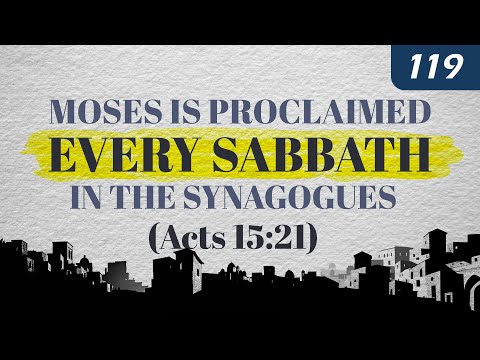
Moses is Proclaimed Every Sabbath in the Synagogues (Acts 15:21)
In this episode, we explore Acts 15:21 and its often-overlooked role in defining the apostles’ expectations for Gentile believers. Far from replacing Torah observance, the Jerusalem Council outlined a process by which Gentiles would begin their discipleship in the synagogue—learning Moses week by week. Show Notes: How were Gentile believers expected to grow in their faith after being welcomed into the community without circumcision? Acts 15:21 provides the key. James assumed regular synagogue attendance, where Moses was read every Sabbath. This teaching challenges the idea that the four rules in Acts 15:20 are the totality of Gentile responsibility. Instead, it shows how Torah learning was foundational to early discipleship. Scripture, scholarship, and first-century practice come together in this powerful teaching. Takeaway: Torah observance for Gentiles was never off the table—it was always on the calendar: every Sabbath.
View teaching →