Moses is Proclaimed Every Sabbath in the Synagogues (Acts 15:21)
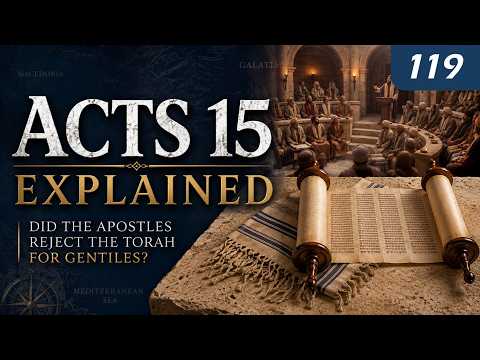
In this episode, we explore Acts 15:21 and its often-overlooked role in defining the apostles’ expectations for Gentile believers. Far from replacing Torah observance, the Jerusalem Council outlined a process by which Gentiles would begin their discipleship in the synagogue—learning Moses week by week.
Show Notes:
How were Gentile believers expected to grow in their faith after being welcomed into the community without circumcision? Acts 15:21 provides the key. James assumed regular synagogue attendance, where Moses was read every Sabbath. This teaching challenges the idea that the four rules in Acts 15:20 are the totality of Gentile responsibility. Instead, it shows how Torah learning was foundational to early discipleship. Scripture, scholarship, and first-century practice come together in this powerful teaching.
Takeaway:
Torah observance for Gentiles was never off the table—it was always on the calendar: every Sabbath.
This study of the Jerusalem Council explains the circumcision controversy, the four prohibitions, and the meaning of the Apostolic Decree for Gentile believers. It shows how Peter, James, and Paul upheld salvation by grace while expecting ongoing obedience to God's law, including Moses being read every Sabbath.
What did Luke reveal about the Sabbath in the lives of Yeshua and the apostles? This teaching explores every Sabbath reference in Luke-Acts and shows how early Christians—including Gentile converts—continued to keep the Sabbath holy.
Show Notes:
This teaching walks through Luke and Acts to demonstrate consistent Sabbath observance by Yeshua, Paul, and other believers. From synagogue customs to Gentile inclusion and the Jerusalem Council, the Scriptures reveal that Sabbath never stopped being part of faithful obedience. Even Acts 20:7 fails to show any transition to Sunday worship. Learn why Luke emphasized the Sabbath and how it applies to followers of Messiah today.
Spiritual Takeaway:
If the earliest followers of Yeshua honored the Sabbath, shouldn’t we?
What happened at the Jerusalem council? This teaching explores Acts 15, explaining that the apostles upheld the Law of Moses. The four decrees given to Gentile converts were a starting point; new believers would learn the rest in the synagogue every Sabbath. Obedience is not legalism.
In Do Whatever They Tell You, we explore Yeshua’s words in Matthew 23:2–3, where He tells the crowd to obey the scribes and Pharisees who “sit in Moses’ seat.”
Did Yeshua affirm their teachings—or was He pointing to something deeper?
This teaching examines the historical and textual background showing that Yeshua wasn’t validating Pharisaic tradition but affirming obedience to the words of Moses they read aloud each Sabbath (Exodus 18:13–16; Acts 15:21; Matthew 23:1–4).
When understood in context, Yeshua’s command calls His followers to heed the Torah itself, not the traditions that make void the Word of God.
Takeaway:
Yeshua directs His people to hear Moses’ words and live them—testing every teaching by Scripture, not by man-made authority.