The end of all mankind is the same for all of us, from the rich to the poor; we all die. What would happen if we lived our lives with that end in mind? Why would a preacher say sorrow is better than laughter when giving wisdom on life and death? What was the speaker in Ecclesiastes 7:1-6 getting at? What wisdom can be gleaned from proverbs that almost seem counterintuitive?
The book of Ecclesiastes tells us a lot about life in this world, it is a book of wisdom. “All is vanity” is something found in this book. But when life gets hard or things aren’t making sense, what wisdom can we call on? What makes life meaningful under the sun when all is vanity?
In this Parashah Point about the reading titled B’reisheet (Genesis 1:1 – 6:8), we examine the choice Adam and Eve made between life and death and how we all make similar choices, almost on a daily basis.
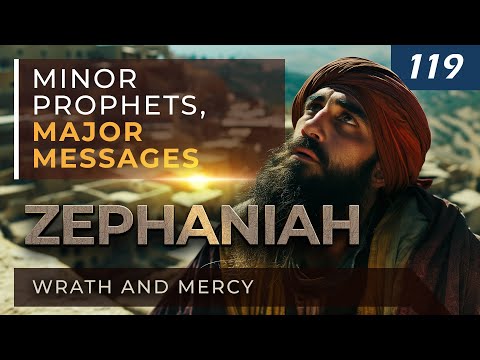
Zephaniah warned that the Day of the Lord would bring judgment on Judah and all nations, but he also saw hope on the other side of judgment. God’s justice would purge evil, and those who seek the Lord will become a purified remnant. In the end, the nations and Jerusalem will be restored and rejoice in God’s presence.
When our lives seem to fall apart, where do we turn? This 119 Thought encourages us to trust YHWH during trials, hold on to His promises, and remember that He works all things for good.