You may have heard that tzitzits are only for men. We can take what we hear and believe it, or we can test it. In the spirit of testing everything, this teaching puts that doctrine to the test of the Word.
In this video series we want to look at the most common things asked and publicly begin answering your questions for the benefit of everyone to hear and to test themselves. In this presentation we are going to respond to the questions:
- Why didn’t the Israelites circumcise their children while in the wilderness?
- If they were uncircumcised in the wilderness then how can we say they kept the Passover since that would be a sin?
- Does the Bible say men cannot have long hair or is it that women cannot have cut hair?
- Is the tzitzit commandment just for men?
- Judaism doesn’t allow women to wear tzitzit, is this supported by the Bible?
- Are wedding rings okay?
- How reliable is the Septuagint?
What the Bible Says About Modest Clothing for Men and Women reveals how Scripture calls believers to reflect holiness in what we wear. Modesty is not legalism—it’s love and discernment expressed outwardly.
Scriptures (4–6):
1 Samuel 16:7; Deuteronomy 22:5; 1 Timothy 2:9–10; 1 Peter 3:3–4; Romans 14:13; 1 Corinthians 6:19–20
Takeaway:
Our clothing should testify to YHWH’s order, peace, and holiness. When our hearts are pure, our presentation aligns with His design.
Wearing tzitzits, or tassels, is an easy command to follow from the Torah, yet there is some degree of confusion on the topic. This teaching addresses some of the most common questions about wearing tzitzits.
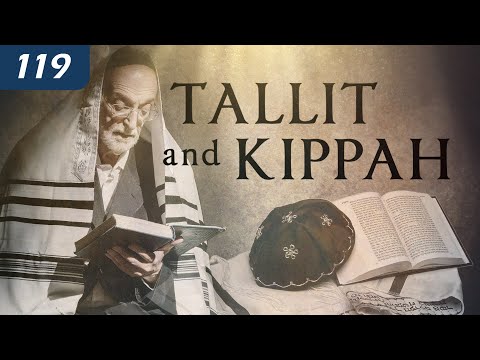
This teaching examines traditional Jewish garments like the tallit and kippah. It asks whether Scripture commands their use and discusses their symbolism and purpose.