Rest for Your Souls | Matthew 11:28-30, Jeremiah 6:16
In Matthew 11 Messiah said that we should take His yoke because it is light and that He will give us rest for our souls. What would these phrases have meant to His audience, and what do they mean for us today?
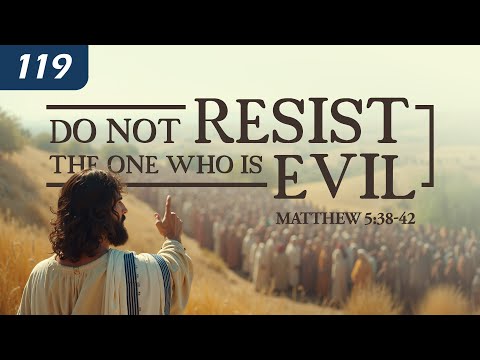
An eye for an eye, turn the other cheek, do not resist the one who is evil. What do all of these phrases mean? What was the Messiah teaching us in Matthew 5:38-42, was he contradicting the Law? Imagine if what he was teaching is the exact opposite of what we have been taught he meant, something that could change your world.
This teaching studies Hebrews 4 and the concept of Sabbath rest. It answers whether believers enter God’s rest now through faith or whether there remains a future Sabbath rest.
Did Yeshua contradict Moses when He said, “love your enemies”? We show how Matthew 5:43–48 aligns with Exodus 23:4–5 and why Yeshua corrected tradition, not Torah. We also explain “be perfect” (teleios) as spiritual maturity and give practical steps to love enemies.
Scriptures (4–6):
Matthew 5:43–48; Exodus 23:4–5; Leviticus 19:18; Luke 6:27–28; Romans 5:10; Matthew 5:17
Takeaway (1–2 sentences):
Loving our enemies isn’t optional; it’s how we resemble our Father. Pray, greet, and help even those who oppose you—this is mature obedience.
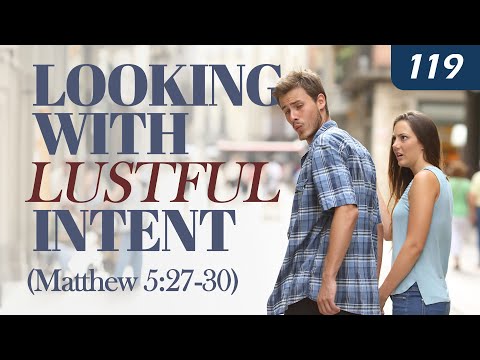
What did Yeshua mean when he said looking at a woman with lustful intent is adultery in the heart? Was he setting an impossible standard—or affirming the Tenth Commandment against coveting? This powerful teaching explores Matthew 5:27–30 with Torah context and clarity, addressing the heart behind sexual sin.
In this teaching, we unpack Yeshua’s words in Matthew 5 about lustful intent. Many have interpreted this passage as setting an unattainable moral bar—but does that reflect what the Torah and Yeshua actually say? By examining the language of coveting in Exodus 20, the grammar of Matthew, and related Scripture from James and Genesis, we see that Yeshua is affirming an existing commandment, not raising the bar to impossible heights. This message also speaks clearly to the issues of pornography, inner desires, and modern application—calling believers to redirect their hearts and intentions toward righteousness.
Spiritual Takeaway - Yeshua isn’t condemning desire itself—he’s calling us to align our hearts with Torah, refusing to covet what is forbidden and walking in holiness by the Spirit.