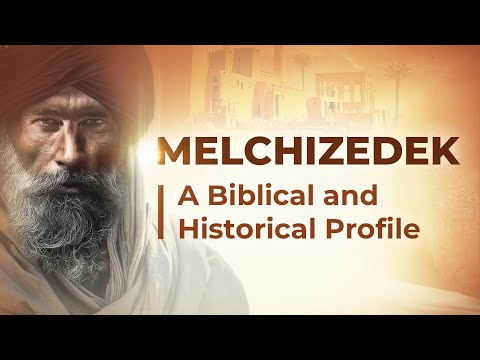
The Bible doesn't tell us much about Melchizedek, and the few times the name is mentioned it has some fairly large implications. Join us as we take a look at Melchizedek, in both a biblical and historical profile.
The Bible tells us little about Melchizedek, yet his brief appearances have profound implications. This teaching examines Melchizedek’s role as king of Salem and priest of the Most High, explores historical traditions, and discusses his connection to Messiah.
Just like John questioned Yeshua while he was in prison, and Peter denied Yeshua while Yeshua was facing trial, we will all have times that we question our faith in God
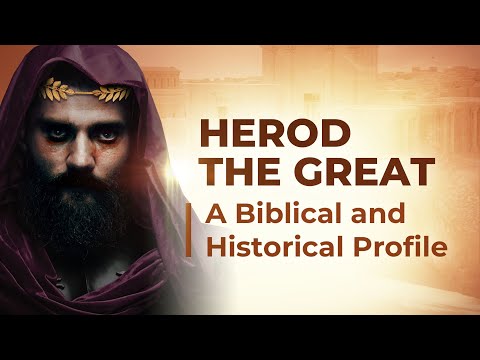
King Herod the Great appears briefly in Scripture, yet his life impacted the Jewish world. This teaching profiles Herod’s lineage, political maneuvers, building projects, and the role he played in the story of Messiah’s birth.
In Do Whatever They Tell You, we explore Yeshua’s words in Matthew 23:2–3, where He tells the crowd to obey the scribes and Pharisees who “sit in Moses’ seat.”
Did Yeshua affirm their teachings—or was He pointing to something deeper?
This teaching examines the historical and textual background showing that Yeshua wasn’t validating Pharisaic tradition but affirming obedience to the words of Moses they read aloud each Sabbath (Exodus 18:13–16; Acts 15:21; Matthew 23:1–4).
When understood in context, Yeshua’s command calls His followers to heed the Torah itself, not the traditions that make void the Word of God.
Takeaway:
Yeshua directs His people to hear Moses’ words and live them—testing every teaching by Scripture, not by man-made authority.