This teaching explores biblical principles about speech—when and how we should speak, the power of our words, and the responsibility to avoid slander, gossip, and disrespect.
In this week’s Parashah Point on the Torah Portion titled Kedoshim, we read Leviticus 19:16 and are reminded that our words matter. Harmful speech such as gossip and slander should not come from our mouths if we want to be a truly set apart people.
Galatians 5 speaks of freedom in Messiah. This teaching explains that Messiah set us free from the bondage of sin, not from God’s law. It walks through Galatians and related passages to show how obedience to Torah is true liberty.
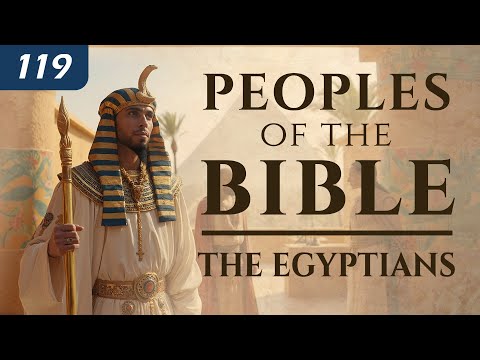
Who were the Egyptians, and what does Scripture—and history—actually say about them? From their origin in Mitzraim (Genesis 10:6) to their complex religion, monumental architecture, and repeated intersections with Israel, this teaching explores how YHWH judged Egypt’s gods in the plagues, warned Israel against trusting in Pharaoh, and still promises a future when the nations worship him. We close by connecting Israel’s deliverance from Egypt to our freedom from sin through Yeshua (Romans 6).
Show Notes / Outline
Origins & Geography: Egypt from Mitzraim; Nile floodplain and grain abundance.
Culture & Power: Pharaoh as divine kingship; temples, pyramids, craftsmen.
Religion: Amun-Ra, Osiris, Horus; magic and afterlife emphasis; why “judgments on the gods of Egypt” matters (Exodus 12:12).
Scripture Intersections: Abraham, Joseph, the Exodus; later kings trusting Egypt and the prophetic rebukes.
Prophecy & Hope: Assyria/Babylon era lessons; future worship of YHWH among the nations (Sukkot).
Discipleship Application: Don’t “return to Egypt.” Freed from sin, we serve YHWH in righteousness through Yeshua (Romans 6).
Challenge: Test everything by the whole Word (1 Thessalonians 5:21)
Key Takeaway
YHWH alone saves. Israel’s deliverance from Egypt points us to our deliverance from sin through Yeshua—so we must not run back to our “Egypt,” but walk in faithful obedience to his commandments.
This teaching addresses the claim that the Bible endorses slavery by contrasting ancient Hebrew servitude with modern slavery. It explores biblical laws that regulated servanthood, ensured humane treatment, mandated release in the sabbatical year, and pointed toward the freedom ultimately fulfilled in Messiah.