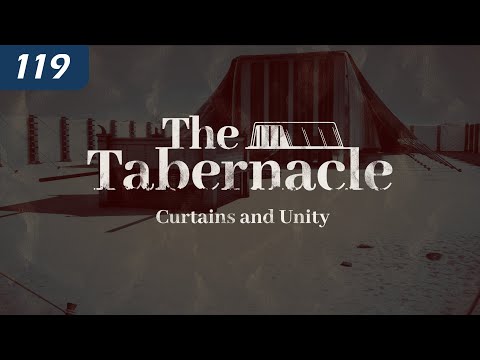
The Tabernacle: Curtains and Unity
Among the many components of the Tabernacle are the curtains. This teaching shows how the Tabernacle’s design points to unity in the body of Messiah and foreshadows heavenly realities.
View teaching →
The Hebrew word echad means ‘one’ or ‘unity.’ This teaching emphasises the importance of unity among God’s people. It explores how we can be one as Yeshua prayed (John 17) while remaining rooted in truth and love.
Explore more 119 Ministries content on closely related topics.
Among the many components of the Tabernacle are the curtains. This teaching shows how the Tabernacle’s design points to unity in the body of Messiah and foreshadows heavenly realities.
View teaching →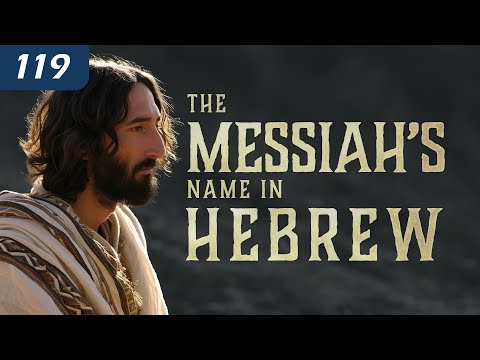
This teaching examines the Hebrew form of the Messiah’s name. It discusses variants like Yeshua, Yehoshua, Yahshua and Jesus, explores historical and linguistic evidence, and asks whether it matters which form we use. It encourages unity and respect while seeking accuracy.
View teaching →
A warning against unity at the expense of truth: this teaching urges believers to unite around obedience to God’s Word rather than compromise with error.
View teaching →
This teaching sets forth reasons to believe that the Bible is God’s Word. It explains that God spoke through the prophets and apostles and that the Scriptures are inspired and profitable for teaching, reproof, correction, and instruction in righteousness. The study highlights the unity of the biblical narrative, fulfilled prophecy, and historical reliability as evidence that the Bible is not merely a human book. Believers are encouraged to trust the Bible as the truthful revelation of the Creator.
View teaching →